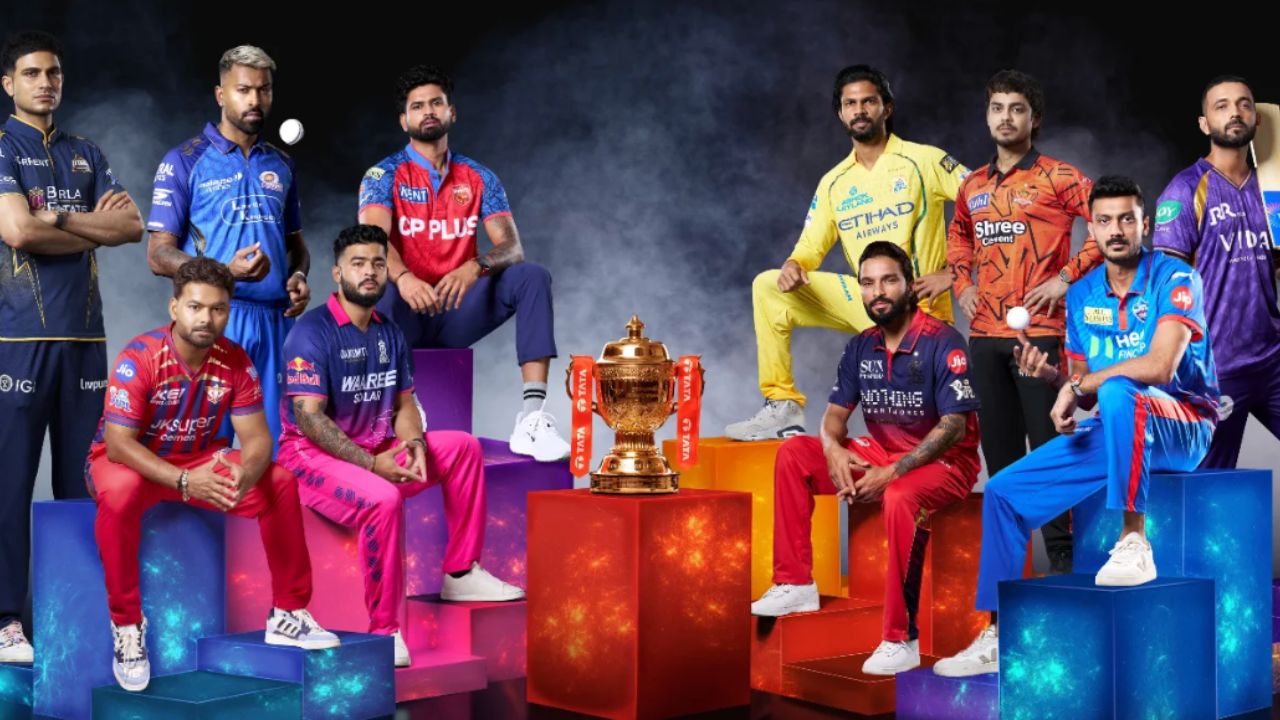
IPL Team Captains. Image Credits: BCCI
Women’s cricket has witnessed an unprecedented surge in popularity and professional recognition over the past few years, a phenomenon significantly amplified since the inception of the Women’s Premier League (WPL) in 2023. This groundbreaking T20 tournament has not only captivated audiences across India but has also provided a robust platform for female cricketers to showcase their talent on a grand stage. The growing success of the women’s game, marked by increasing fan engagement and the emergence of promising young athletes from the domestic circuit, strongly suggests that the WPL, currently a five-team competition, is poised for future expansion.
Indeed, even without formal announcements from the Board of Control for Cricket in India (BCCI) regarding expansion, potential investors are already signaling their intent. Among them, a notable figure from the Indian Premier League (IPL) ownership ranks has openly declared a strategic interest in acquiring a WPL franchise, underscoring the league’s immediate appeal and long-term viability as a premier sporting asset.
IPL Owner Expresses Strong Interest in WPL Team Acquisition
Observing the remarkable trajectory and early-stage growth of the Women’s Premier League, prominent Indian businessman Mohit Burman, who holds a substantial 48 percent stake in the IPL franchise Punjab Kings, has publicly articulated his interest in purchasing a WPL side. Burman’s endorsement comes as a significant vote of confidence in the league’s potential and the BCCI’s efforts to cultivate women’s cricket in India.
In a recent statement to PTI, Burman lauded the WPL’s immediate impact, remarking, “The WPL has already established itself as an important platform for the women’s game in a very short period of time. The growth of women’s cricket has been fantastic to witness.” His comments reflect a broader sentiment within the cricketing fraternity regarding the league’s success.
Addressing the timing of potential investments, Burman elaborated on the strategic considerations involved: “As for investment decisions, every group evaluates opportunities differently depending on timing, strategic priorities and long-term business considerations. Not investing initially should not be interpreted as a lack of belief in women’s cricket.” This measured perspective highlights that while Punjab Kings may not have been among the inaugural WPL owners, their interest now is a testament to the league’s proven value and future prospects. He concluded with a clear declaration of intent: “Personally, I think the future of the women’s game is extremely bright. We would love to own a women’s IPL team.”
BCCI’s Stance: Consolidation Before Expansion
While the interest from established IPL owners like Mohit Burman underscores the WPL’s appeal, the Board of Control for Cricket in India (BCCI) is currently adopting a cautious and strategic approach to its expansion. The Women’s Premier League presently operates with five teams, three of which are already owned by entities that also possess IPL teams. These include the Mumbai Indians and the Royal Challengers Bengaluru, who have each secured two WPL titles, alongside the Delhi Capitals, a team that has consistently reached the final since the league’s inception.
Despite the expressed enthusiasm from individuals such as Mohit Burman, the BCCI has indicated that there are no immediate plans for adding new teams. The IPL chairman, Arun Dhumal, has emphasized a focus on strengthening the existing framework before considering any expansionary moves. “To further strengthen this tournament for the time being, we want to consolidate before we take a call on further addition of any team. There are no immediate plans [to add new teams],” Dhumal stated, outlining the governing body’s priority on ensuring the stability and robust growth of the current five-team structure.
This approach aims to solidify the league’s foundations, optimize its operational aspects, and ensure that any future expansion is sustainable and beneficial for all stakeholders. The consolidation phase allows for a thorough evaluation of the league’s impact, commercial viability, and competitive balance, ensuring that when new teams are eventually introduced, they contribute positively to the WPL’s overall ecosystem.
WPL’s Transformative Impact on Indian Women’s Cricket
The Women’s Premier League has rapidly emerged as a game-changer for Indian women’s cricket. For many years, the Indian Women’s team has consistently ranked among the top three or four global teams, frequently contending in the knockout stages of ICC events and making multiple final appearances on the world stage even before the WPL’s establishment.
However, the WPL has injected a new level of professionalism, exposure, and competitive intensity that was previously lacking. Drawing parallels with cricket powerhouses like Australia, which has successfully run the Women’s Big Bash League (WBBL) since 2015-16—a league where Indian players regularly feature—the benefits of such domestic T20 competitions are clear. The high-quality cricket, coupled with the invaluable presence of experienced overseas players in the dressing rooms, significantly accelerates the grooming and development of younger talent.
While the BCCI implemented a similar model successfully for men’s cricket with the IPL, the introduction of a comparable league for women took some time. Nevertheless, the impact has been swift and profound. After just three seasons, the positive outcomes are distinctly visible. Players who have honed their skills and gained confidence in the WPL have demonstrated enhanced composure and strategic acumen in crucial international moments. Many players and experts alike now attribute the improved performance and resilience of the national team to the rigorous preparation and exposure provided by the WPL.
The league acts as a vital bridge between domestic cricket and the international arena, preparing players for the pressures of elite competition and fostering a culture of excellence. It provides a platform for previously unheralded talents to shine, earning them recognition and opportunities at higher levels, thereby strengthening the overall talent pool for the national team.
Global Landscape of Women’s T20 Leagues
The success of the WPL is part of a broader global trend in women’s cricket, where T20 leagues are flourishing and playing a pivotal role in the sport’s development. Beyond the WBBL in Australia and the WPL in India, several other nations host robust women’s T20 competitions:
- The Hundred (England): A unique 100-ball format league that has successfully attracted new audiences and provided a high-intensity platform for both men’s and women’s cricket.
- WCPL (West Indies): The Women’s Caribbean Premier League, which brings together top talent from the West Indies and around the world, enhancing the regional cricket ecosystem.
- Women’s Super Smash (New Zealand): New Zealand’s premier domestic T20 competition for women, consistently producing national team players and offering competitive cricket.
This global proliferation of women’s leagues signifies a collective commitment from cricket boards worldwide to invest in and elevate the women’s game. Looking ahead, the Bangladesh Cricket Board (BCB) is also set to inaugurate its own Women’s Premier League (WBPL) later this year. This is a significant step for a developing cricketing nation like Bangladesh, indicating the widespread recognition of such leagues as indispensable tools for talent development and increasing the sport’s global footprint.
The Future: Balancing Growth and Stability
The interest from high-profile investors like Mohit Burman unequivocally affirms the WPL’s burgeoning stature and commercial appeal. The league has not only succeeded in creating a compelling sporting spectacle but has also proven to be a vital catalyst for the growth and professionalization of women’s cricket in India. While the clamor for expansion is growing, the BCCI’s measured approach to consolidate the existing five-team structure before venturing into further additions demonstrates a prudent strategy aimed at ensuring long-term sustainability and competitive equilibrium.
The WPL’s profound influence on player development, its ability to attract significant investment, and its contribution to the global surge in women’s cricket establish it as a cornerstone of the sport’s future. As the league continues to evolve, the balance between strategic expansion and robust consolidation will be key to unlocking its full potential and cementing its legacy as a premier T20 competition for women worldwide.