IPL Concussion Substitutes: A Comprehensive List and Rule Explanation
- Understanding the IPL Concussion Substitute Rule
- A Comprehensive List of Concussion Substitutes in IPL History
- 1. Vishnu Vinod Replaces Ishan Kishan – IPL 2023
- 2. Yudhvir Singh Charak Replaces Mohsin Khan – IPL 2024
- 3. Ashwani Kumar Replaces Corbin Bosch – IPL 2025
- 4. Shardul Thakur Replaces Mitchell Santner – IPL 2026
- 5. Tejasvi Dahiya Replaces Angkrish Raghuvanshi – IPL 2026
- The Enduring Importance of Player Safety in the IPL
The Indian Premier League (IPL) has long been celebrated not just for its electrifying cricket but also for its continuous innovation in rules and regulations. Beyond the spectacle of powerful hitting and strategic bowling, the league has consistently prioritized player safety, introducing measures designed to protect athletes in the high-stakes environment of professional T20 cricket. Rules such as the Impact Player and the Timed-Out dismissal have garnered significant attention, but one regulation stands out for its direct impact on player welfare: the concussion substitute rule.
Introduced to mitigate the risks associated with head and neck injuries, the concussion substitute rule allows teams to replace a player who has suffered a confirmed or suspected concussion during a match. This pivotal regulation ensures that players receive immediate medical attention and are not pressured to continue playing when their health might be at risk. The IPL’s commitment to player safety through this rule underscores a broader global trend in sports to protect athletes from the long-term consequences of head trauma.
Understanding the IPL Concussion Substitute Rule
The concussion substitute rule is a critical safeguard in modern cricket, specifically tailored for scenarios where a player sustains a head or neck injury during play. Its primary objective is to remove an injured player from immediate danger and allow for thorough medical evaluation without disadvantaging their team numerically.
According to the IPL playing conditions, if a player suffers an injury that is diagnosed or suspected to be a concussion, their team is permitted to introduce a substitute player. This substitution, however, is not automatic. It requires formal approval from the match referee, who acts on the advice of the medical team attending to the injured player. The assessment process is rigorous, often involving on-field medical personnel and subsequent off-field evaluations to confirm the nature and severity of the injury.
A crucial aspect of this rule is the “like-for-like” replacement clause. This stipulation ensures competitive balance is maintained. The substitute player must be of a similar skill set and role to the injured player. For instance, a specialist bowler would typically be replaced by another bowler, and a wicketkeeper-batter by another wicketkeeper-batter. This prevents teams from gaining an unfair advantage by bringing in a player whose skills significantly differ from the original injured player, thereby preserving the strategic integrity of the game while prioritizing player well-being.
A Comprehensive List of Concussion Substitutes in IPL History
Since its inception, the concussion substitute rule has been invoked in several key moments, highlighting its importance in real-match scenarios. Each incident underscores the unpredictable nature of cricket and the necessity of robust player safety protocols.
1. Vishnu Vinod Replaces Ishan Kishan – IPL 2023
The inaugural instance of a concussion substitute in the history of the Indian Premier League occurred during the Qualifier 2 match of IPL 2023. The high-stakes encounter between Mumbai Indians and Gujarat Titans saw wicketkeeper-batter Ishan Kishan become the first player to be medically assessed for a concussion during an IPL match.
The incident unfolded when Kishan, while fielding, suffered an accidental collision with his teammate Chris Jordan. Jordan’s elbow inadvertently struck Kishan near his left eye, a blow that immediately raised concerns. Following the collision, medical personnel attended to Kishan on the field, and after an initial evaluation, he was forced to leave the field for further assessment due to suspected concussion. The decision was made to prioritize his health and safety.
Subsequently, the Mumbai Indians sought a replacement, and Vishnu Vinod was approved by the match referee as the like-for-like substitute. As a fellow wicketkeeper-batter, Vinod’s entry into the match maintained the balance of the Mumbai Indians squad, allowing them to continue competing without a numerical disadvantage while Kishan received necessary medical attention. This landmark substitution set a precedent for player welfare in the league.
2. Yudhvir Singh Charak Replaces Mohsin Khan – IPL 2024
The IPL 2024 season witnessed the second application of the concussion substitute rule, occurring during a league match between Lucknow Super Giants and Kolkata Knight Riders at the Ekana Stadium. This incident involved a fast bowler in a fielding mishap, emphasizing that concussions are not limited to batting or direct impacts.
During the game, pacer Mohsin Khan suffered a concerning head injury while attempting a diving catch in the outfield. Fielded at short third man, Mohsin landed awkwardly on his head during the dive. Recognizing the potential severity of the impact, Mohsin immediately walked off the field to undergo medical treatment and assessment. The prompt action by the player and medical staff highlighted the growing awareness around head injuries.
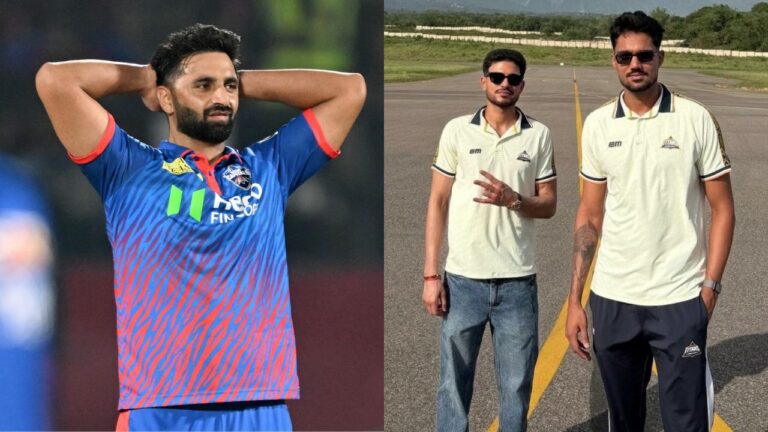
After thorough medical checks, Mohsin Khan was regrettably ruled out of the remainder of the match due to concussion protocols. To ensure the Lucknow Super Giants could maintain their team composition, fast bowler Yudhvir Singh Charak was introduced as the approved like-for-like replacement. This incident further solidified the importance of the rule in protecting players during dynamic fielding situations.
3. Ashwani Kumar Replaces Corbin Bosch – IPL 2025
The IPL 2025 season added another entry to the list of concussion substitutions during a significant match between Mumbai Indians and Gujarat Titans at the iconic Wankhede Stadium. This instance involved a batter being hit by a bouncer, a classic scenario for potential head trauma in cricket.
All-rounder Corbin Bosch was at the crease when he was struck on the helmet by a sharp, fast bouncer from Gujarat Titans pacer Prasidh Krishna during the final over of the innings. Despite the impact, Bosch commendably completed his short cameo with the bat, demonstrating resilience. However, the crucial post-impact medical assessment revealed that he was showing signs consistent with a concussion. This underlines the fact that symptoms may not always be immediately apparent and thorough evaluation is paramount.
Following this diagnosis, the Mumbai Indians exercised their right to bring in a concussion substitute. Left-arm pacer Ashwani Kumar was approved as the replacement, fitting the ‘like-for-like’ criteria by offering a bowling option, albeit different from Bosch’s all-rounder role, ensuring the team’s balance was maintained. This incident served as a reminder of the inherent dangers faced by batters against high-speed bowling.
4. Shardul Thakur Replaces Mitchell Santner – IPL 2026
The ongoing IPL 2026 season has already seen the concussion substitute rule invoked on two occasions, with the first occurring in a highly anticipated clash between Mumbai Indians and Chennai Super Kings. This incident highlighted the often complex nature of diagnosing head injuries in the heat of the moment.
New Zealand international Mitchell Santner sustained an injury while attempting a diving catch in the deep during the 17th over of the match. Initially, the injury appeared to involve his shoulder, leading to immediate concern for his mobility. However, subsequent clarifications from the Mumbai Indians team revealed that Santner’s head and neck had also made contact with the ground during the fall, raising the potential for a concussion.
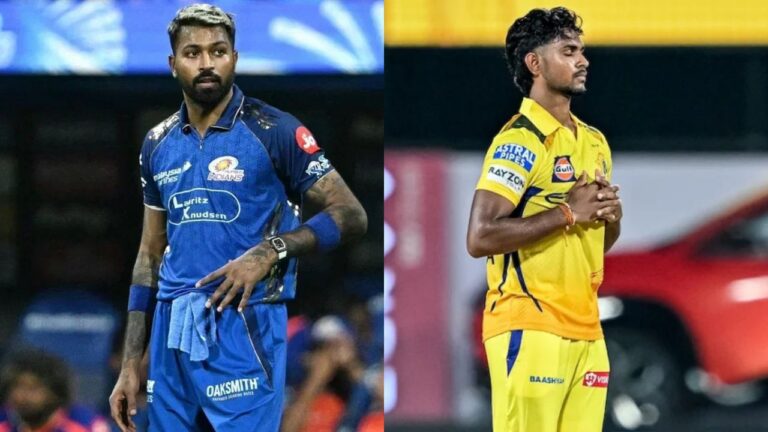
After a comprehensive evaluation and approval from the match referee, seasoned Indian all-rounder Shardul Thakur was brought into the game as the concussion replacement. Thakur, known for his bowling and batting capabilities, provided a suitable like-for-like option for Santner, allowing CSK to continue with a balanced side. This incident underscored the importance of re-evaluating injuries that initially seem localized to other body parts, ensuring potential head trauma is not overlooked.
5. Tejasvi Dahiya Replaces Angkrish Raghuvanshi – IPL 2026
The most recent application of the concussion substitute rule in IPL 2026 took place during Match 65, an encounter between Kolkata Knight Riders and Mumbai Indians. This incident again demonstrated the risks associated with fielding, particularly in close quarters.
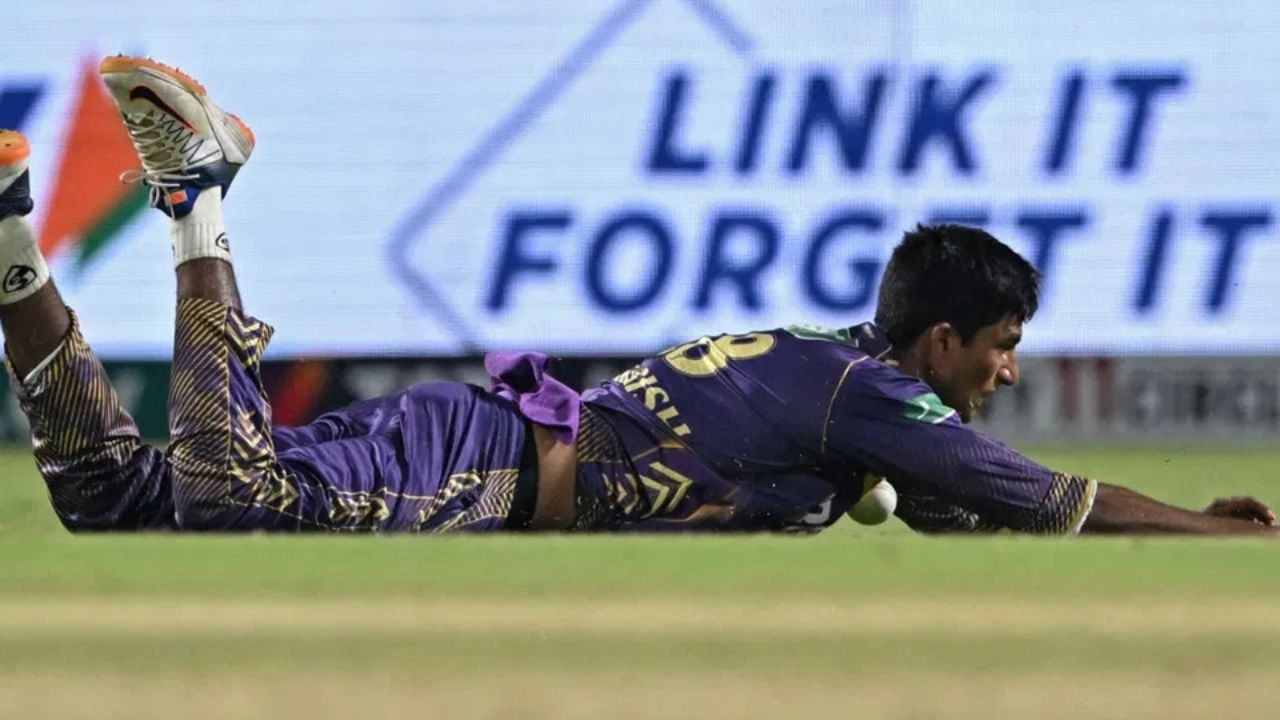
The young KKR player Angkrish Raghuvanshi suffered an unfortunate collision with his teammate Varun Chakravarthy while fielding during Mumbai Indians’ innings. Such incidents, where players collide while converging on a ball, are not uncommon but carry significant risks. Raghuvanshi immediately left the field after the incident, indicating his inability to continue playing due to the impact.
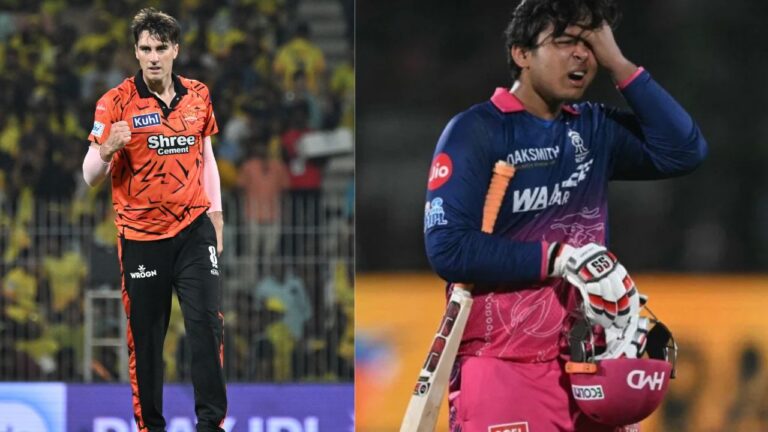
Following the necessary medical protocols and approval from the match referee, Kolkata Knight Riders introduced Tejasvi Dahiya as the concussion substitute. This ensured KKR could maintain a full playing XI despite the injury to Raghuvanshi, reinforcing the rule’s primary purpose of player safety without compromising the competitive integrity of the match. (Angkrish Raghuvanshi in KKR vs MI (Source: AFP))
The Enduring Importance of Player Safety in the IPL
The instances of concussion substitutes in the IPL, from Ishan Kishan’s unfortunate collision in 2023 to Angkrish Raghuvanshi’s recent incident in 2026, collectively highlight the rule’s profound significance. It serves as a testament to the league’s commitment to prioritizing player health above all else. In a sport as dynamic and physically demanding as cricket, particularly in the fast-paced T20 format, head injuries are an ever-present risk. The concussion substitute rule provides a vital safety net, allowing medical professionals to make informed decisions about a player’s welfare without the added pressure of team disadvantage.
By enforcing a “like-for-like” replacement, the rule strikes a delicate balance between player protection and competitive fairness. It ensures that while an injured player is removed from harm’s way, the integrity of the match and the strategic balance of the teams are preserved. As cricket continues to evolve, so too will its commitment to player safety, with the concussion substitute rule standing as a prime example of proactive measures adopted to safeguard its most valuable assets – the players themselves.