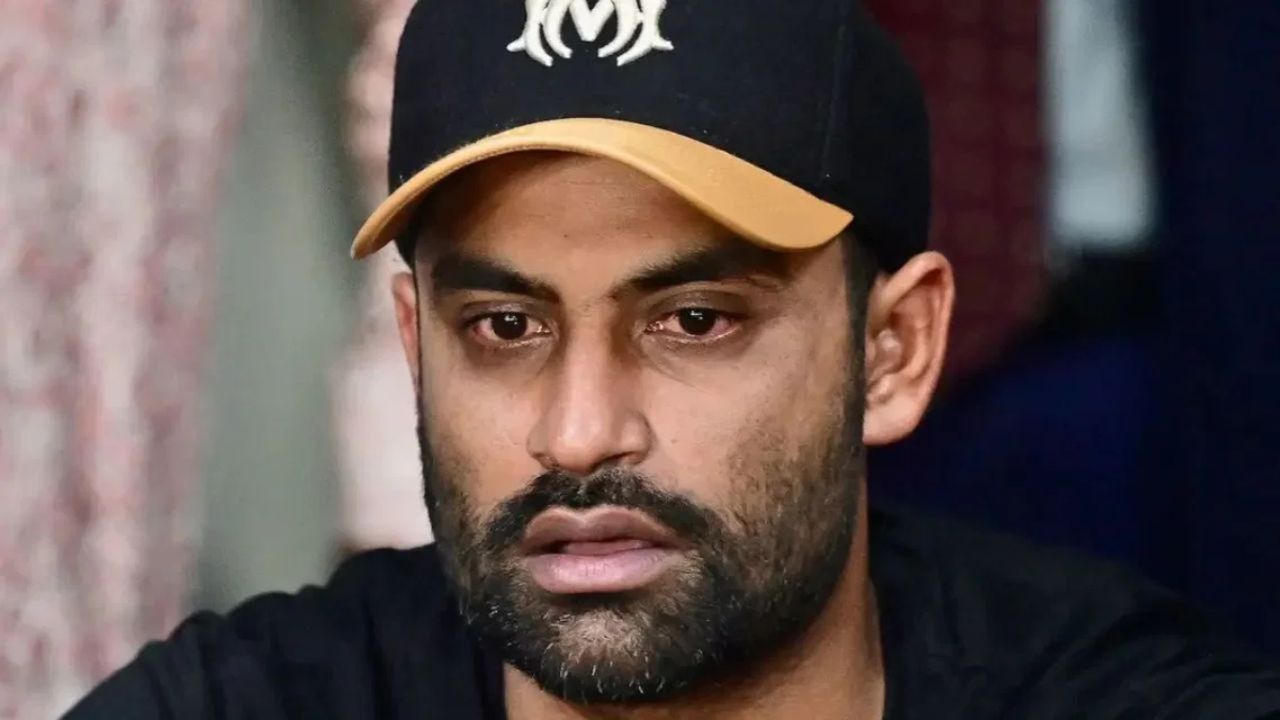
High Court Dismisses Petition Against Tamim Iqbal’s BCB Committee
In a significant legal victory for the administration of cricket in Bangladesh, the High Court has ruled in favor of the Tamim Iqbal-led ad-hoc committee. This ruling effectively dismantles any immediate legal hurdles and eliminates the risk of the interim body being dissolved. On May 21, the High Court dismissed a writ petition challenging the legality and operations of the committee, citing a lack of substantial evidence against its functioning. This landmark decision clears the path for the upcoming Bangladesh Cricket Board (BCB) elections, scheduled for June 7, 2026, allowing the 11-member body to proceed without further legal interruptions.
The Genesis of the Tamim Iqbal-Led Committee
To understand the gravity of this court decision, it is essential to trace the origins of the current interim administration. The National Sports Council (NSC) officially formed the 11-member ad-hoc committee on April 7, 2026. This decisive action came in the wake of the dissolution of the previous BCB governing board, which was marred by serious allegations of election irregularities involving Aminul Islam Bulbul.
To restore credibility and stabilize the board’s operations, former Bangladesh captain Tamim Iqbal was appointed as the president of this temporary committee. Far from being a one-man show, the panel consists of a diverse group of stakeholders, including legendary former cricketers, legal experts, prominent business figures, and experienced sports administrators. Notable members alongside Tamim Iqbal include former national selector Minhajul Abedin Nannu and respected commentator and former cricketer Athar Ali Khan, as well as several experienced former BCB directors.
Upon taking charge, the Tamim-led committee immediately prioritized structural reforms. They reorganized critical operational departments, including women’s cricket, facilities management, and grassroots game development, aiming to ensure that the sport’s daily operations remained unaffected by administrative transitions.
Decoding the Legal Challenge
Despite its proactive efforts, the ad-hoc committee quickly found itself in legal crosshairs. A writ petition was filed challenging the very legality of the April 7 decision by the NSC that established the interim body. The petitioners argued that the formation of the committee, along with every executive decision taken by them since their appointment, should be deemed unlawful and invalid under existing sports regulations.
Furthermore, the petition requested an interim stay order to immediately halt all activities of the ad-hoc panel. Had this petition succeeded, it would have plunged Bangladesh cricket back into administrative chaos, halting crucial preparation work for the upcoming democratic elections. The legal action named several high-profile respondents, including representatives from the Ministry of Youth and Sports, the National Sports Council, the BCB itself, the BCB election commission, and even the Chief Executive Officer of the International Cricket Council (ICC).
The High Court’s Decisive Verdict
The legal threat was resolved when the High Court bench, comprising Justice Fatema Najib and Justice AFM Saiful Karim, reviewed the petition. Finding no legal merit or substantial evidence to justify halting the committee’s work, the court dismissed the case.
According to official reports, the bench chose to drop the writ petition from its cause list. While the court noted that the petitioners remain free to present their case before another bench in the future, the refusal of this bench to grant an immediate stay order serves as a major endorsement of the ad-hoc committee’s current authority. With no active legal injunctions, Tamim Iqbal and his team are fully authorized to continue their administrative duties.
The Path to the Crucial June 7 Elections
With the legal cloud lifted, the focus returns entirely to the highly anticipated BCB elections scheduled for June 7, 2026. This election is set to radically overhaul the leadership landscape of Bangladesh cricket, establishing a long-term, democratically elected administration.
The election process is structured as follows:
- The Voter Base: A total of 184 registered councillors will cast their votes to elect 23 directors.
- The Presidential Vote: Once the 23 directors are confirmed, they will join two government-appointed directors to form a 25-member board. This board will then vote to elect the next BCB President for a full four-year term.
- Tamim Iqbal’s Role: The current ad-hoc president, Tamim Iqbal, is expected to contest in these elections while simultaneously supervising the transition phase.
To ensure fair representation across the cricketing spectrum, the director elections will be conducted across three distinct categories:
- Category 1: Ten directors will be elected representing various regional and district cricket associations from across Bangladesh.
- Category 2: Twelve directors will be chosen to represent the prominent Dhaka-based cricket clubs.
- Category 3: The final director position will be decided from a specialized category featuring former national captains, former cricketers, representatives from national security forces, and nominees from the National Sports Council (NSC).
Understanding the Election Timeline
The three-member BCB Election Commission, headed by senior advocate Ahsanul Karim, has already locked in the official roadmap for the elections. The schedule is tightly organized to ensure transparency and efficiency:
- May 19: Publication of the final voter list.
- May 20–21: Distribution of nomination papers to prospective candidates.
- May 21–22: Submission of completed nomination forms.
- May 25: Official announcement of the final candidate list following necessary hearings and verifications.
- June 6: Deadline for the submission of postal and electronic ballots.
- June 6 (Evening): Declaration of the final election results.
This structured timeline, now protected by the High Court’s dismissal of the legal challenge, promises a smooth transition of power. As Bangladesh cricket prepares for this landmark administrative shift, the stability provided by the court’s ruling ensures that the focus remains firmly on the future growth and governance of the sport in the country.