Mohammad Amir’s IPL Dream Unlikely Despite British Nationality: Key Reasons

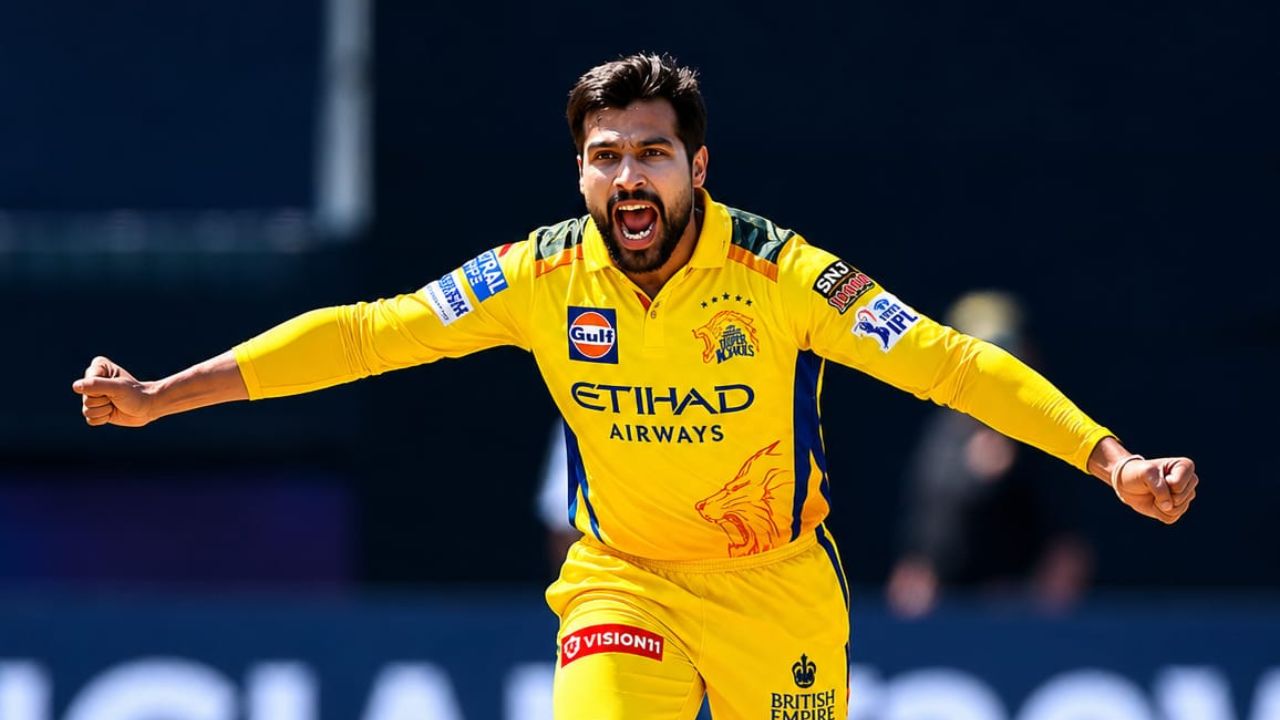
Mohammad Amir, the formidable left-arm pacer, recently made headlines across the cricketing world after officially acquiring British nationality. This significant development immediately sparked widespread excitement and fervent speculation among fans, who eagerly envisioned the seasoned bowler making his long-awaited debut in the highly competitive Indian Premier League (IPL). The prospect of Amir, renowned for his swing, pace, and ability to deliver under pressure, showcasing his talent on such a global stage was a captivating thought for many.
Indeed, the announcement ignited a wave of discussions, with supporters imagining Amir’s signature spells and vast experience enriching the IPL landscape. Enthusiasts began to speculate about which of the ten franchises might express interest, hoping that this veteran campaigner could bring a unique dimension to their bowling attack. The narrative quickly shifted towards the potential impact a player of Amir’s calibre could have in one of cricket’s most lucrative and watched T20 leagues.
However, despite the initial enthusiasm and Amir’s newfound eligibility, a pragmatic assessment reveals a stark reality: Mohammad Amir’s participation in the IPL appears highly improbable, if not entirely out of the question. Several multifaceted and compelling reasons stand as formidable barriers, making an IPL debut for the former Pakistani international an increasingly distant dream.
Reasons Why Mohammad Amir’s IPL Debut Remains Highly Unlikely
1. BCCI’s Stance on Players with Recent Pakistan Ties
One of the primary and most significant hurdles for Mohammad Amir stems from his very recent and prominent association with Pakistan cricket. Despite acquiring British nationality, Amir represented Pakistan in the 2024 T20 World Cup and also featured for Rawalpindi in the 2026 Pakistan Super League. These strong, recent ties to Pakistan’s cricketing ecosystem make it exceedingly improbable that the Board of Control for Cricket in India (BCCI) or the IPL governing council would sanction his participation.
The historical context further complicates matters. Following the devastating Mumbai terror attacks in 2008, the IPL implemented a de facto ban on cricketers holding Pakistani passports. While this ban specifically targeted players with Pakistani nationality, the underlying geopolitical tensions between India and Pakistan have persisted, profoundly influencing cricketing relations. Allowing a high-profile player who has so recently donned the Pakistan colours, regardless of his new passport, would be a diplomatically sensitive move, one that the BCCI has consistently avoided to prevent potential controversies and maintain its established policy.
While the case of Azhar Mahmood, who played in the IPL with a British passport despite the ban, is often cited, it is crucial to recognize the significant differences in context. Mahmood’s situation predates a period of heightened geopolitical strain and occurred when the IPL was still establishing itself. Crucially, Mahmood had retired from international cricket for Pakistan well before his IPL stints, severing his direct active ties to the Pakistan national team. Mohammad Amir, on the other hand, has very recently been an active international player for Pakistan and a prominent figure in the Pakistan Super League, making his situation distinct and far more sensitive in the current climate.
2. The Apprehension of Public and Media Backlash
Beyond the official policies, the potential for public and media backlash represents another formidable deterrent. It is highly unlikely that either the BCCI or any IPL franchise would be willing to incur the substantial risk associated with including a renowned Pakistani cricketer like Mohammad Amir. His high profile, combined with his past controversies, could trigger widespread public and media criticism, potentially damaging the reputation of both the specific franchise and the IPL brand as a whole.
As mentioned, Azhar Mahmood’s participation in the IPL with a British passport did not generate significant controversy. However, Mahmood was not a global cricketing superstar with a widely publicized past, nor did he carry the same level of political baggage. Mohammad Amir’s past scandals, including the infamous spot-fixing incident, coupled with his high visibility as a former Pakistan international, amplify the risks significantly. In the current socio-political climate, where sentiments are often charged, any association could be misconstrued or politicized, leading to undesirable consequences.
The landscape of India-Pakistan relations has significantly deteriorated over the past 15 years, making public perception an even more critical factor. A recent example underscores this sensitivity: Sunrisers Hyderabad’s sister franchise, Sunrisers Leeds, faced considerable backlash after signing Pakistani spinner Abrar Ahmed for The Hundred 2026. This incident clearly demonstrates how swiftly fan and expert reactions can escalate, potentially jeopardizing brand value, sponsorship deals, and overall public image. The IPL, being a premier sporting league with immense financial stakes and a vast fan base, would undoubtedly seek to avoid such controversies.
3. Declining Form and Advanced Age
While the geopolitical and political factors are paramount, cricketing considerations also play a significant role in dimming Amir’s IPL prospects. Mohammad Amir, by the next IPL season, will be 35 years old. In the fast-paced, high-performance world of the IPL, teams generally show a strong reluctance to invest in overseas pace bowlers who are entering the twilight of their careers. The league prioritizes youth, sustained peak performance, and future potential, especially for high-value overseas slots.
Amir no longer participates in international cricket, and his performances in various T20 leagues around the world—such as the Pakistan Super League (PSL), Bangladesh Premier League (BPL), or for teams like Trinbago Knight Riders in the Caribbean Premier League (CPL)—have, by many accounts, not been consistently extraordinary. While he has had moments of brilliance, the sustained elite-level performance required to command a spot in an IPL franchise, especially as an overseas player, is a different challenge altogether. IPL franchises meticulously scout players, seeking those who are not only in top form but can also deliver consistent match-winning contributions in one of the world’s most demanding sporting environments.
Given his age, combined with a perceived decline in his raw pace and consistent wicket-taking ability compared to his prime, IPL teams are likely to evaluate Mohammad Amir’s skills with a degree of caution. The IPL demands relentless consistency, exceptional fitness, and the ability to adapt to diverse conditions against the world’s best batsmen. Investing in a pacer like Mohammad Amir, who is arguably past his peak, carries a significant risk for franchises looking to build a championship-winning squad. The intense competition for overseas spots means that franchises will invariably opt for younger, more in-form, or specialist players who offer a greater return on investment and a longer potential shelf life.
In conclusion, while Mohammad Amir’s acquisition of British nationality opens a theoretical pathway to the IPL, the practical realities present an almost insurmountable barrier. The interplay of stringent BCCI policies concerning players with recent ties to Pakistan cricket, the significant risk of public and media backlash due to geopolitical sensitivities and his past, and legitimate concerns regarding his current form and age collectively render his IPL debut highly improbable. For fans hoping to see Amir in the IPL, these complex factors suggest that such an eventuality will likely remain a captivating, yet ultimately unrealized, dream.