Shahid Afridi Faces Backlash After Dinner Photo With Uzair Baloch Resurfaces
A Troubling Blast from the Past
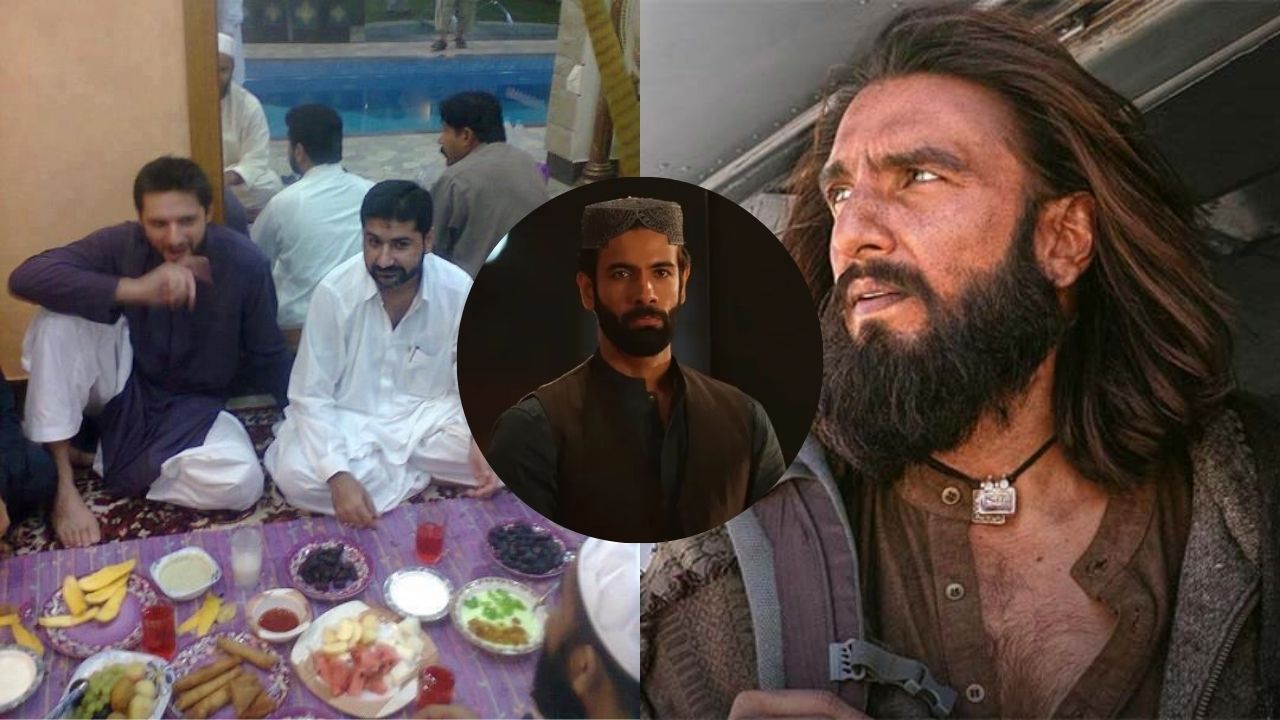
In a development that has sent shockwaves across social media platforms, a controversial image from 2013 has resurfaced, placing former Pakistan cricket captain Shahid Afridi at the center of a fresh wave of public scrutiny. The photograph depicts Afridi sharing a dinner table with Uzair Baloch, an individual widely recognized as a high-profile criminal and designated terrorist.
Uzair Baloch gained international infamy as the alleged leader of the Lyari gang network in Karachi. His criminal record is extensive, involving serious charges such as target killings, systemic extortion, large-scale gang violence, drug trafficking, and allegations of espionage. Following his arrest by Pakistani authorities in 2016, he became one of the most polarizing and dangerous figures within the region’s security landscape. The recent re-emergence of this image has caused fans to lash out at the cricketer, questioning his judgment and associations.
The Impact of the Association
The timing of this revelation is particularly sensitive given the current public perception of Afridi. In the recently released Bollywood film Dhurandhar, a character modeled after Uzair Baloch is portrayed as a gangster instrumental in aiding operations against India. This cinematic depiction has brought the name of Uzair Baloch back into the mainstream consciousness, making the visual evidence of his association with a national sporting icon like Afridi feel even more jarring to the public.
For many, this is not merely a social media frenzy; it is a fundamental question of character. Critics argue that proximity to such a figure undermines the stature of a player who once represented his nation on the global stage. The backlash has been swift, with many social media users labeling Afridi as anti-Indian, citing his long-standing history of controversial remarks.
A History of Polarizing Remarks
Shahid Afridi has rarely shied away from using his platform to voice strong, often divisive, political opinions. His history with India has been fraught with tension, characterized by frequent, aggressive commentary. In 2018, he utilized his social media presence to launch a sharp critique of India’s handling of the situation in Kashmir, accusing the nation of suppressing self-determination—a move that was met with massive outrage in the Indian cricketing community.
Furthermore, his participation in various television debates and interviews has often seen him take a combative stance against Indian media and political institutions. Notably, during periods of heightened conflict between the two nations, Afridi has been seen openly supporting the Pakistan army while sharing content critical of Indian forces. These actions have effectively solidified his status as a polarizing figure, turning every new controversy into a deeper reflection of his strained relationship with Indian fans.
The Paradox of National Honors
Despite these recurring controversies, Shahid Afridi maintains a hero status within Pakistan, a sentiment recently reinforced by the state. On May 13, 2026, President Asif Ali Zardari presented Afridi with the Hilal-e-Imtiaz, the country’s second-highest civilian honor, during an official ceremony at Aiwan-e-Sadr.
This recognition places Afridi in an elite category alongside legendary figures like Imran Khan, Wasim Akram, and Waqar Younis. Throughout his career, Afridi represented Pakistan in over 500 international matches, defining an era of aggressive white-ball cricket. His legacy includes the iconic 37-ball century against Sri Lanka in Nairobi, a feat that once stood as the fastest ODI hundred in history and cemented his global stardom.
However, the stark contrast between his official recognition by the Pakistani government and the intense public condemnation triggered by his association with criminal elements highlights the complex, often fractured, nature of his public legacy. While his contributions to the sport are etched in cricket history, his off-field decisions continue to invite intense scrutiny and public debate.