Why Rajat Patidar Is Still Not Ready For A Place In India’s T20I Setup? – Why Rajat Patidar Faces Hurdles for India’s T20I Selection
The Rise of Rajat Patidar
Following a truly sensational 2026 Indian Premier League campaign, Rajat Patidar has cemented his position as one of the most exciting talents in the Indian cricketing circuit. Serving as the captain for Royal Challengers Bengaluru (RCB), Patidar played an instrumental role in steering his franchise to the tournament final, winning over fans with his fearless batting approach and high-octane stroke-play. His growth as a leader and a batter has been one of the defining narratives of the recent IPL season.
A Statement Knock at Dharamsala
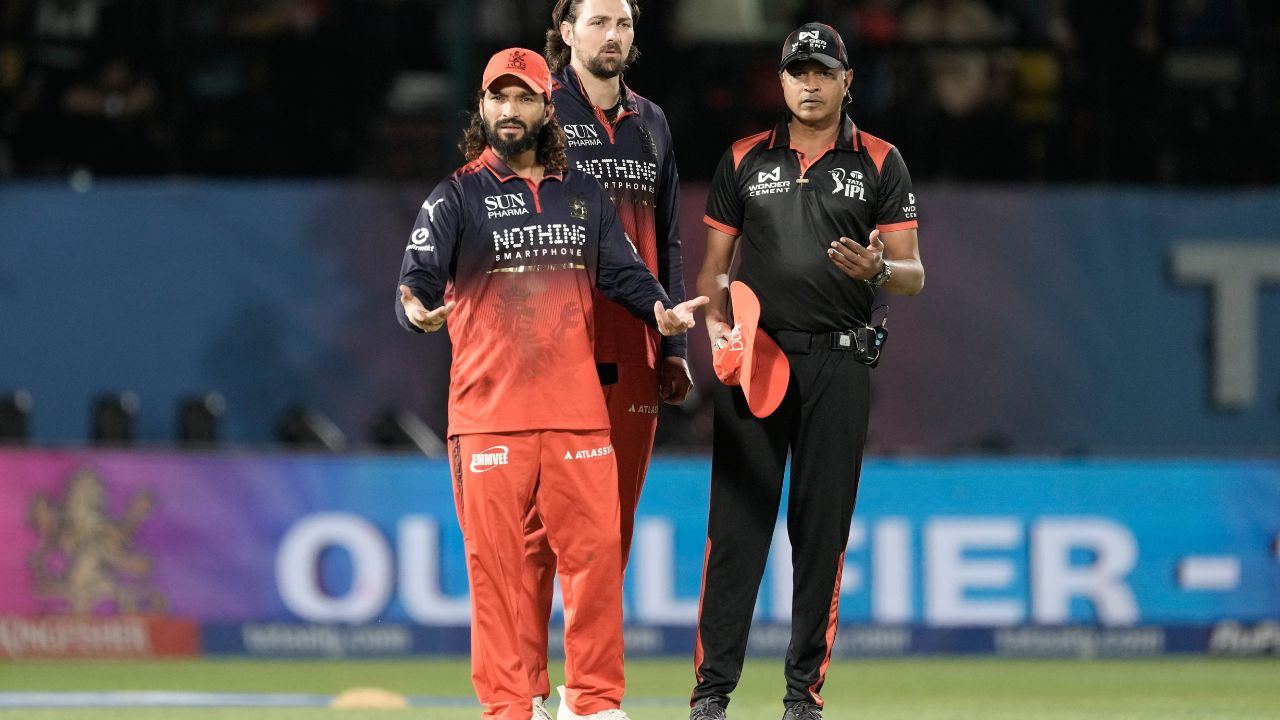
Perhaps the defining moment of Patidar’s season came during the high-stakes Qualifier 1 clash against the Gujarat Titans in Dharamsala. With the pressure mounting, the RCB skipper delivered a masterclass in aggressive batting, smashing an unbeaten 93 off just 33 deliveries. Ending the match with a staggering strike rate of 281.82, he showcased the ability to dismantle world-class bowling attacks with ease, reinforcing his reputation as a big-game player.
Analyzing the Numbers
The statistical output from Patidar in the 2026 season is nothing short of elite. Across 13 innings, he amassed 486 runs at a brilliant average of 44.18. Most impressively, his strike rate of 196.76 suggests a batter who is constantly looking to clear the ropes and maintain upward momentum. Over the course of his 56-match IPL career, he has accumulated 1597 runs at an average of 33.97 and an overall strike rate of 165.14, demonstrating both consistency and explosive potential.
The Hurdles to International Selection
Despite these eye-catching numbers, there is a lingering debate among pundits regarding his readiness for the Indian national team. While the clamor for his inclusion grows louder after every explosive innings, there are tactical and structural reasons why a permanent place in the T20I setup may not be immediate.
1. The Transition from IPL to International Cricket
It is a well-established truth that performance in the IPL, while a significant indicator of skill, does not always translate seamlessly to the international arena. International cricket brings a different level of psychological pressure, tactical scrutiny, and movement off the pitch. Representing India requires adapting to varying conditions, sophisticated plans from opposition analysts, and the weight of national expectations, which differ significantly from the franchise environment.
2. The ‘Problem of Plenty’
One of the primary obstacles for Patidar is the sheer depth of talent currently available to the Indian selectors. The middle-order slots at No. 3 and No. 4 are currently contested by several established stars and rising young players who have already proven their mettle at the international level. Forging a path into a playing XI that is already heavy with match-winners is a difficult task, and selectors are often hesitant to disturb a balanced unit unless there is a clear, long-term vacancy.
3. Evaluating Technical Versatility
To succeed at the top tier, a batter must show total command against all bowling types. While Patidar has excelled against various bowling styles, international cricket often tests a batter’s technical resolve against high-pace, high-bounce deliveries and specialized spin bowling on tricky surfaces. The selectors are likely monitoring his ability to sustain his strike rate against diverse bowling profiles across different types of pitches, ensuring that he is not just a ‘flat-track bully’ but a well-rounded batsman capable of thriving in any environment.
Ultimately, while Rajat Patidar is undoubtedly one of the most promising batters in the country, his journey to the national side involves more than just hitting boundaries. It requires demonstrating versatility, temperament, and the ability to perform under the unique pressures of the international stage. Whether he secures a spot in the near future will depend on how he continues to evolve his game beyond the IPL stage.