Ravindra Jadeja At No.4? The Tactical Thinking Behind RR’s Surprise IPL Playoffs – Ravindra Jadeja at No.4: The Strategy Behind RR’s Bold IPL Move

The Tactical Logic Behind the Move
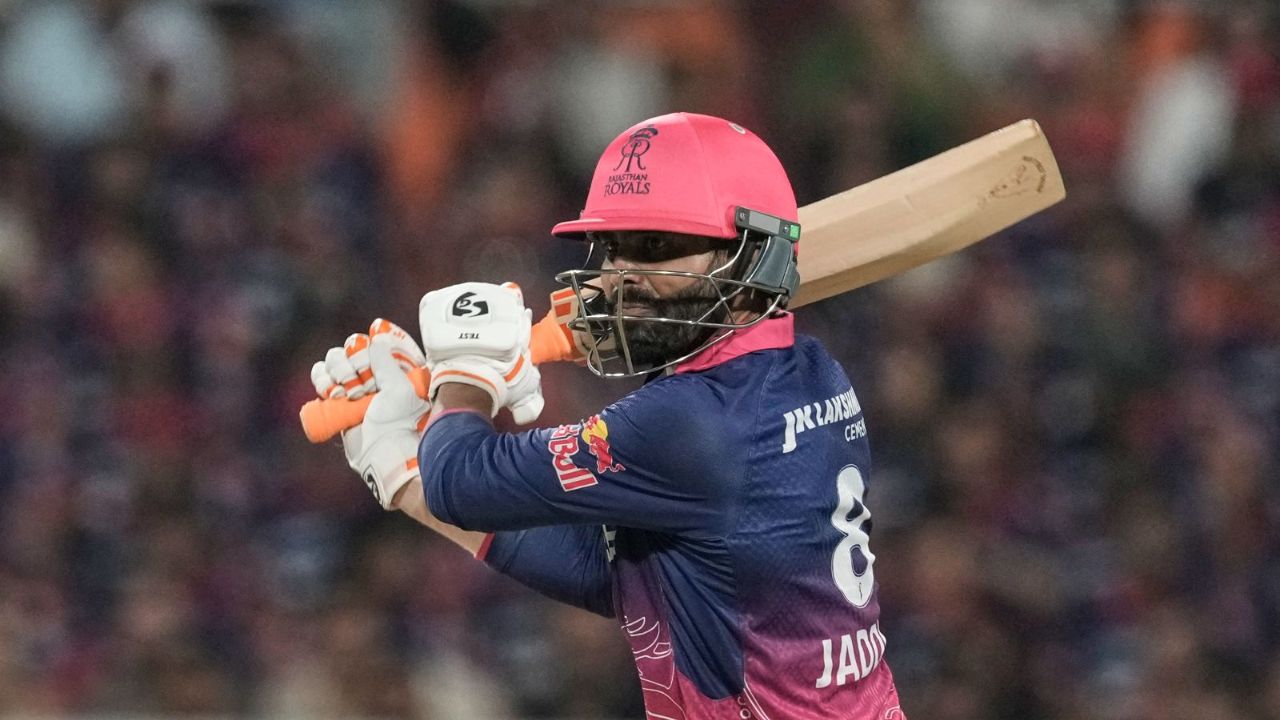
During the high-pressure environment of the IPL Qualifier 2, the Rajasthan Royals made a decision that caught many viewers off guard: promoting Ravindra Jadeja to the number four position during the powerplay, ahead of captain and middle-order specialist Riyan Parag. While the move initially drew skepticism from fans and pundits alike, a deeper analysis of the match conditions and player statistics suggests that this was a calculated tactical maneuver rather than a knee-jerk reaction.
Historical Performance at No.4
The primary justification for this decision lies in Ravindra Jadeja’s impressive track record when batting at the number four position. Far from being an untested experiment, Jadeja has established himself as a reliable asset in the middle order. Before this encounter, his statistics at number four in the IPL were stellar, boasting 414 runs across 15 innings. With an average of 41.4 and a strike rate exceeding 140, these numbers align with elite middle-order performers. His previous high score of 77 not out off 45 balls in the same role further reinforces his capability to anchor an innings while maintaining a positive scoring rate.
Adapting to Match Context
The Rajasthan Royals faced an immediate crisis, losing both Yashasvi Jaiswal and Dhruv Jurel within the first two overs. Facing the tournament’s most formidable new-ball attack, the team management needed a player capable of absorbing pressure and providing stability. Ravindra Jadeja’s calm demeanor and extensive experience made him the ideal candidate to navigate the treacherous early overs. By utilizing him as a ‘floater,’ the management effectively stabilized the innings without sacrificing the required momentum.
Protecting the Captain
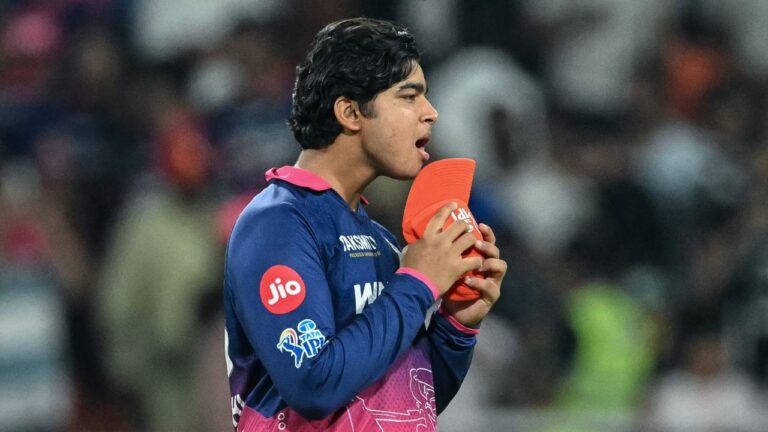
Another crucial element of the decision was the physical condition of captain Riyan Parag. Parag, currently nursing fitness concerns, has shown immense dedication by leading the side through these critical fixtures. Exposing him to the toughest conditions of the powerplay—where the ball is at its hardest and the bowlers are at their most aggressive—would have been a high-risk gamble. By delaying Parag’s entry, the Royals allowed the game to progress into the middle overs, where conditions favor his natural game: rotating the strike, attacking spin, and building momentum incrementally.
A Calculated Gamble
While cricket is often viewed through the lens of traditional batting orders, modern T20 strategies rely heavily on situational awareness and player versatility. The decision to promote Jadeja was designed to mitigate the risks posed by Gujarat Titans’ bowling attack while simultaneously managing the physical limitations of the captain. Regardless of the immediate outcome of that specific innings, the methodology behind the choice reflects a sophisticated approach to match-ups and situational cricket. The Rajasthan Royals proved that they are willing to deviate from standard structures to exploit the specific strengths of their squad in high-pressure knockout scenarios.
Ultimately, the move highlights a significant shift in how tactical decisions are made in the IPL. By prioritizing experience and adaptability over rigid batting positions, the Royals demonstrated a commitment to winning through planning and logic, keeping their options flexible in a tournament where every delivery carries immense weight.