MS Dhoni And The Unheard Toss Story That Rocked 2011 World Cup Final – MS Dhoni and the 2011 World Cup Toss Controversy Revisited
The Echoes of Cricket History
In the high-stakes environment of professional cricket, every detail matters—even the brief moments before the first ball is delivered. A recent incident during the IPL 2026 Qualifier 2 in New Chandigarh, where match officials ordered a re-spin of the coin, sent cricket fans on a trip down memory lane. The confusion surrounding the toss between Gujarat Titans skipper Shubman Gill and Rajasthan Royals captain Riyan Parag mirrors one of the most talked-about, yet often overlooked, moments in World Cup history: the 2011 final between India and Sri Lanka.
The 2011 World Cup Final: A Toss to Remember
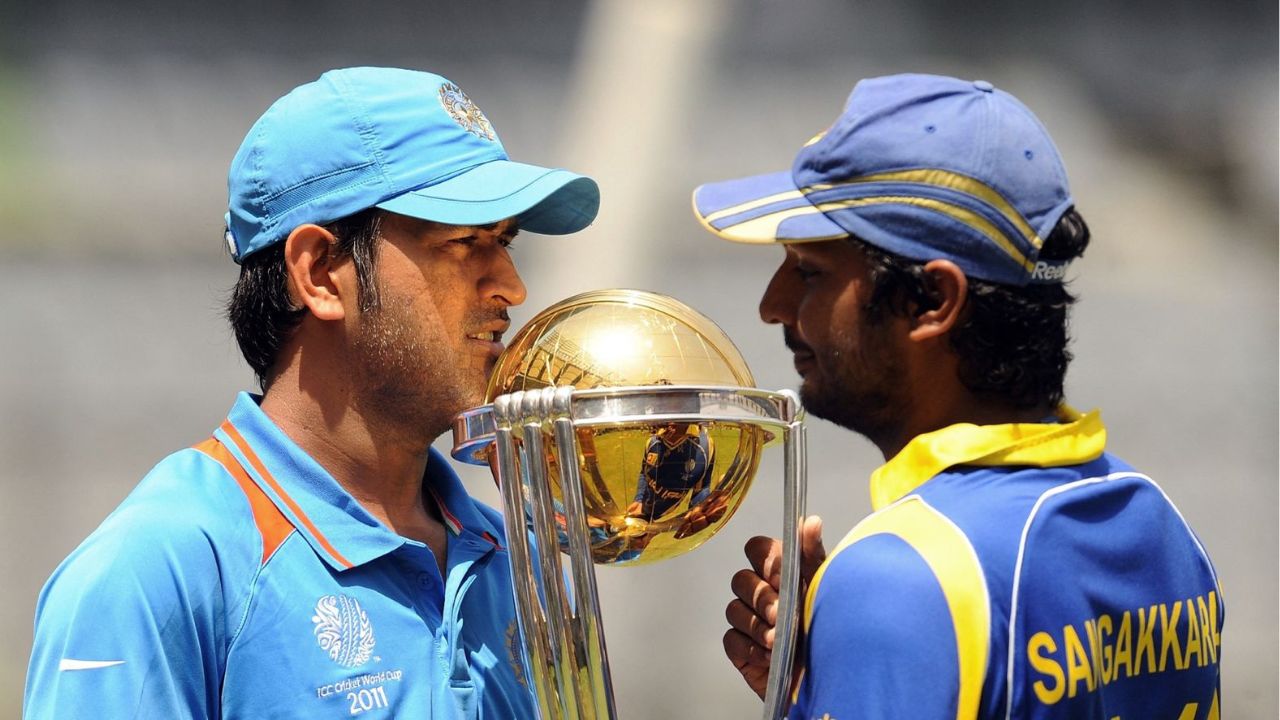
MS Dhoni and Kumar Sangakkara [Source: AFP]
On April 2, 2011, the atmosphere at the Wankhede Stadium in Mumbai was electric. India and Sri Lanka were poised to battle for the ultimate prize in cricket. However, the ceremony before the match took an unexpected turn. As commentator Ravi Shastri stood by, Indian captain MS Dhoni spun the coin, and it landed on heads. Suddenly, confusion rippled through the officials. They claimed that the call made by Sri Lankan skipper Kumar Sangakkara was not audible, leading them to declare the first toss null and void.
This was an unprecedented move on the grandest stage of the sport. The officials insisted on a second spin. Sangakkara, sticking to his original choice, called heads again. This time, the call was accepted, and the Sri Lankan captain won the toss, electing to bat first. While the match eventually became legendary for India’s 28-year wait for a trophy, the initial toss controversy remained a bizarre footnote. Subsequent analysis of broadcast audio suggested that Sangakkara’s call had indeed been audible during the first spin, leaving fans to wonder why the officials forced the repeat.
The IPL 2026 Connection
Fast forward to May 29, 2026, at the Mullanpur Stadium. The stakes were high for the IPL 2026 Qualifier 2, but the script seemed eerily similar to that fateful day in Mumbai. Shubman Gill, leading the Gujarat Titans, spun the coin for the toss against Rajasthan Royals captain Riyan Parag. Once again, the coin appeared to favor the caller, yet the match officials intervened, citing that Parag’s call was ‘not loud enough.’
The similarities are striking. In both instances, the coin was re-spun, and in both cases, the result favored the same player who had ‘won’ the initial spin. Perhaps most coincidentally, veteran commentator Ravi Shastri was present for both historic tosses, linking the two events across more than a decade and a half. Furthermore, the irony is not lost on followers of the game that the Rajasthan Royals’ head coach is none other than Kumar Sangakkara, the man who experienced this exact situation in 2011.
Beyond the Coin Toss
In 2011, the toss controversy was quickly eclipsed by the drama that followed. Team India delivered a masterclass in pressure, ultimately chasing down the target with six wickets to spare. The image of MS Dhoni launching the ball over the long-on boundary for the winning six remains the definitive memory of that tournament. It served as a reminder that regardless of the pre-match technicalities or the frustrations of a tossed coin, the final result is dictated by the players on the field.
For the Rajasthan Royals in the 2026 Qualifier, the re-toss was merely a minor hurdle in a long season. However, for cricket historians and enthusiasts, these incidents highlight how the game, despite its modernization and technological advancements, remains susceptible to the quirks of human officiating. Whether it is a coincidence or a bizarre statistical anomaly, the ‘unheard toss’ will continue to be a fascinating topic of conversation for fans whenever a referee steps into the middle.
As we move forward, the 2011 final will always be remembered for its iconic finish rather than its chaotic beginning. Similarly, the IPL 2026 Qualifier will be defined by the performance of the athletes, proving once again that in cricket, it is not how you start the match that matters, but how you finish it.