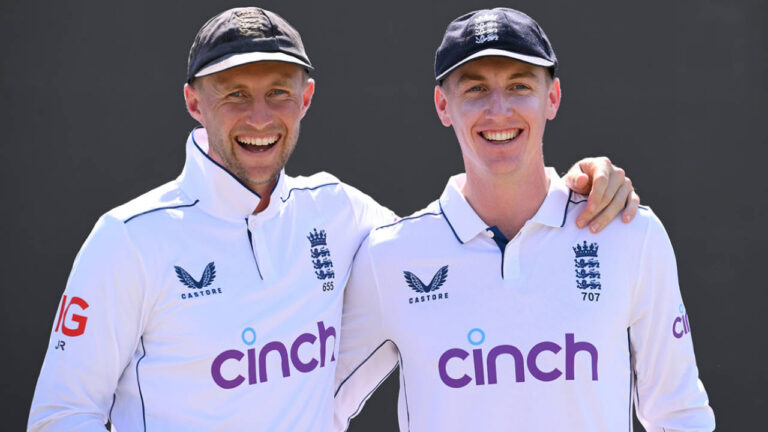
‘Disappointing’ – Sangakkara on Sam Curran turning out for Surrey with IPL still – Kumar Sangakkara Criticizes Sam Curran Over Vitality Blast Return During IPL
A Clash of Expectations and Recovery Timelines
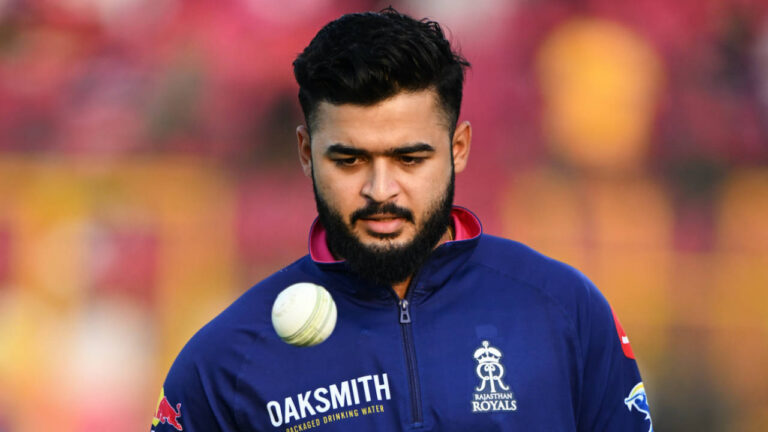
The landscape of modern cricket is increasingly defined by the delicate balance between international obligations, franchise commitments, and the physical limitations of the sport’s elite athletes. Recently, this tension surfaced in the Rajasthan Royals (RR) camp, where head coach Kumar Sangakkara voiced clear frustration regarding the situation surrounding English all-rounder Sam Curran.
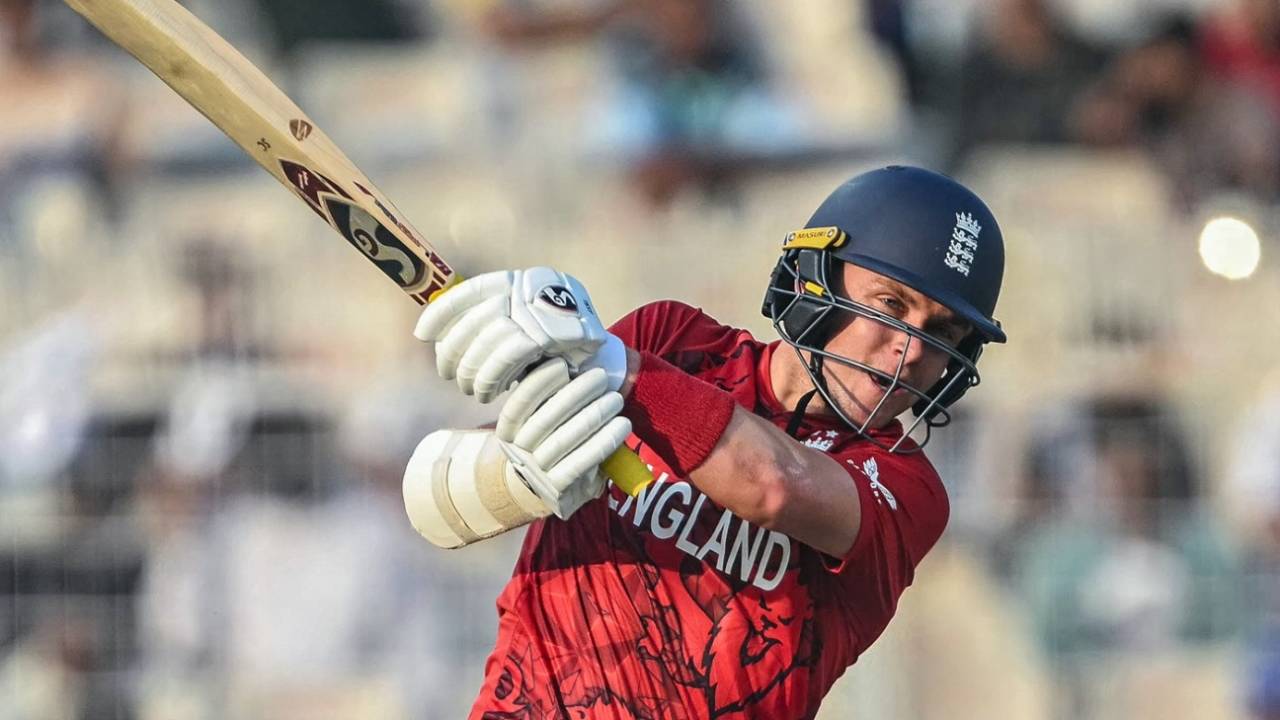
Curran, who was set to represent the Rajasthan Royals in the 2026 Indian Premier League, withdrew from the tournament citing a groin injury. The news, which broke on March 19, cast a shadow over the franchise’s planning. However, the situation took a controversial turn when Curran appeared for Surrey in the Vitality Blast on May 22, signaling a return to competitive action much sooner than the RR management had anticipated.
The Point of Contention
For Sangakkara, the discrepancy between the nature of the injury and the timeline of the player’s return is the core issue. Speaking at a press conference following the Royals’ exit in Qualifier 2, the legendary former Sri Lankan wicketkeeper-batter did not mince his words. ‘We were told that Sam Curran had a season-ending injury, but I think I saw him playing for Surrey for two games or three games now. So that was disappointing,’ Sangakkara stated.
The RR head coach emphasized that the team would have valued Curran’s presence, regardless of his playing status. The expectation was that an injured player of his caliber would remain with the squad, contributing to the team culture and supporting the group during their campaign.
The Ripple Effect of Replacements
The fallout from Curran’s withdrawal had practical consequences for the Rajasthan Royals. To fill the void, the franchise moved to sign Dasun Shanaka on March 23. This move, however, triggered a cascade of complications. Shanaka, who had a prior commitment with the Lahore Qalandars in the Pakistan Super League (PSL), was forced to withdraw from that deal to join the Royals. This subsequent breach led to a one-year ban for Shanaka from the PSL, highlighting the complex web of contractual obligations that players and teams must navigate in the current cricketing ecosystem.
Curran’s Perspective and Physical Struggles
Sam Curran has maintained that his decision was based on medical advice. When he withdrew from the IPL, the all-rounder noted that he had been managing a groin issue throughout the T20 World Cup earlier in the year. British media reports quoted Curran stating, ‘It’s an injury that I’ve kind of been battling with a little bit. It has gradually got fractionally worse. I went for a couple of scans and it showed reasonable damage, so I had to make the tough decision.’
Since his return to the field for Surrey, Curran has shown glimpses of his ability, scoring 141 runs across three innings. Notably, he has refrained from bowling, suggesting that while he can handle batting duties, his recovery remains a work in progress.
The Call for Stricter Governance
The broader conversation regarding players honoring IPL commitments has intensified. The BCCI, acknowledging these recurring challenges, announced in September 2024 that a two-year ban would be imposed on players who withdraw from the tournament after being selected in the auction.
Sangakkara believes such stringent measures are necessary. ‘Yeah, I think a proper tight policy around that is always a requirement. The BCCI has a strict policy on that,’ he remarked. He acknowledged that genuine injuries are an unavoidable part of the game but insisted that contractual integrity must be maintained. ‘It should be very strict to make sure that contractual obligations are met properly and genuinely, and I think every side in the IPL will benefit from that.’
Ultimately, Sangakkara highlighted the dedication of other players in his squad—such as Adam Milne, Shimron Hetmyer, Lhuan-dre Pretorius, and Kwena Maphaka—who stayed with the team despite limited playing time, fulfilling their professional duties and supporting the collective goal. This dedication, he suggested, is the benchmark for professional engagement, regardless of individual injury status.