IPL Chair Issues ‘Football’ Culture As Biggest Threat To Cricket’s Future: A Call to Adapt

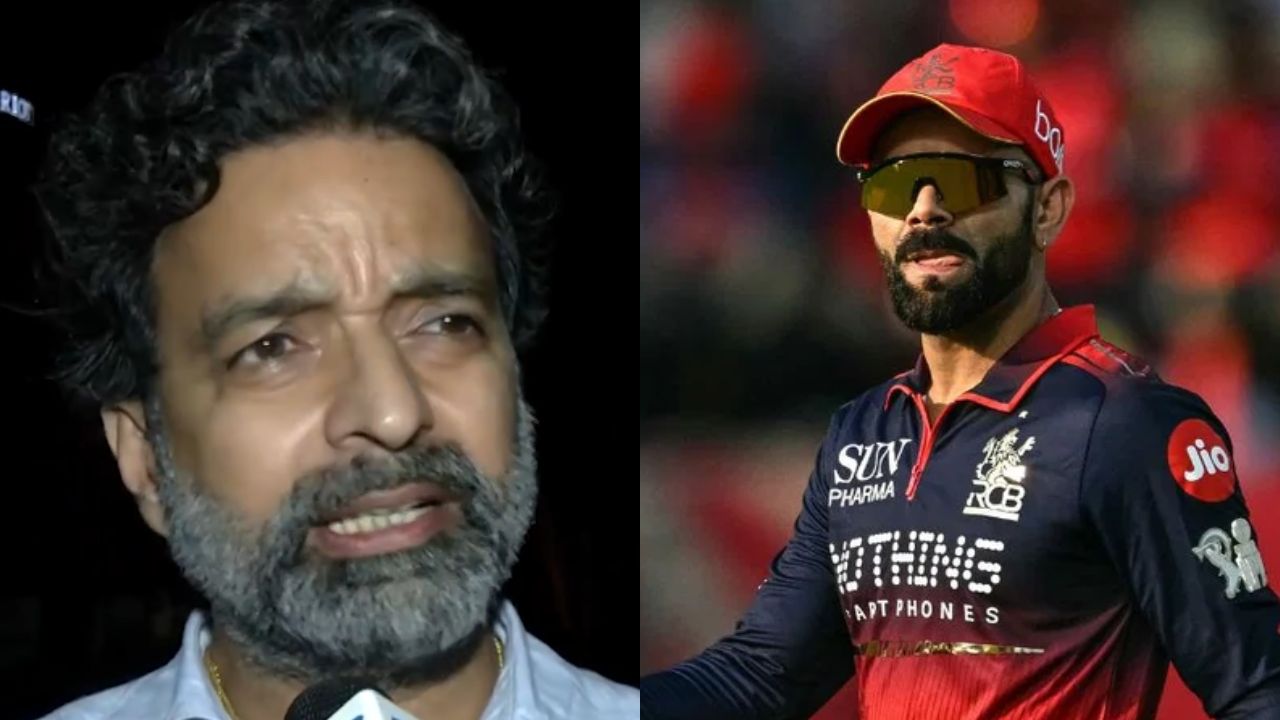
IPL chairperson Arun Dhumal has sounded a significant alarm regarding the trajectory of international cricket, drawing a stark parallel to the club-centric model prevalent in football. In an exclusive discussion, Dhumal cautioned that the unchecked proliferation of franchise leagues could fundamentally reshape the sport, potentially marginalizing international bilateral cricket, especially the revered Test format.
While acknowledging the enduring affection for Test cricket, Dhumal emphasized the critical need for cricket’s governing bodies to proactively address these evolving dynamics. He stressed that a failure to adapt could lead to irreversible shifts, where the sport’s traditional structures are irrevocably altered by the burgeoning influence of T20 tournaments.
The Growing Pull of Franchise Cricket: Echoes of Football’s Evolution
Cricket is already exhibiting the preliminary signs of a transformation akin to that witnessed in global football. In the realm of football, club competitions such as the English Premier League, Spain’s La Liga, and the UEFA Champions League command immense viewership and generate colossal revenues. These figures frequently overshadow international fixtures, with the notable exceptions of major tournaments like the FIFA World Cup and the UEFA European Championship.
Elite football players dedicate the vast majority of their calendars to their respective clubs, such as Manchester City or Real Madrid. For many, the pursuit of club glory and lucrative contracts often takes precedence over national team commitments, a trend that has become increasingly pronounced over the last two decades.
Cricket now appears to be navigating a remarkably similar trajectory. The Indian Premier League (IPL) stands as a prime example, offering life-altering financial incentives for a mere two months of participation. Beyond the IPL, a burgeoning global circuit of franchise leagues has emerged, including South Africa’s SA20, Major League Cricket (MLC) in the USA, England’s The Hundred, and the UAE’s ILT20. These tournaments now create a near year-round schedule for T20 specialists.
This expanding ecosystem has significant implications for player career choices. A noticeable trend sees cricketers, particularly from smaller cricketing nations, opting for early retirement from international duties to embrace the financially rewarding life of a T20 freelancer. Furthermore, fan engagement is progressively shifting towards these high-octane franchise tournaments. The electrifying atmosphere, packed stadiums, and rapid-fire entertainment offered by these leagues often prove more compelling than many traditional bilateral international series, which can sometimes struggle to capture sustained public interest.
Arun Dhumal’s Candid Assessment: Preparing for a Club-Dominated Future
In his candid remarks, Dhumal articulated the imperative for cricket administrators to not only acknowledge but actively prepare for profound adaptations in the coming years. He reiterated his belief in the inherent value of Test cricket.
“There is still a lot of love for Test cricket. The India-England Test series in England last year, for instance, truly captured the imagination of fans, who were deeply invested in following its unfolding drama. Significant scope for Test cricket undeniably remains. The challenge lies in devising the most effective strategies to harness and promote it,” Dhumal stated, underscoring that the format’s appeal is not entirely diminished.
The Unstoppable Engine: Financial Muscle Driving the Shift
Dhumal then delved into the powerful financial forces that are unequivocally driving this paradigm shift towards franchise cricket. He highlighted the pivotal role of broadcasters, who are arguably the most crucial stakeholders in the cricketing ecosystem.
“Broadcasters represent the most important stakeholders. They hold rights for both the BCCI and the IPL, and it is evident that virtually every cricketing nation seeks a series against India, primarily because such fixtures are immensely valuable for monetizing the sport. The financial aspect is undeniably paramount,” Dhumal explained. He further reflected on the industry’s response during the global health crisis.
“During the COVID period, we diligently fulfilled our responsibilities because cricket needed to survive and continue its global expansion. However, there is a practical limit to the volume of bilateral cricket India can realistically play. This constraint has directly contributed to the emergence and success of competitions like the Big Bash League, The Hundred, and the SA20.
Intriguingly, many Associate nations, some of whom do not even possess One Day International status, are now launching their own domestic leagues. If cricket continues on a path mirroring football’s evolution, we must be fully prepared for this new reality, as ultimately, it is the fans and the broadcasters who underpin and fund the entire game,” Dhumal asserted, emphasizing the market-driven nature of these changes.
Why Test Cricket Faces the Most Significant Threat
Within the football framework, international fixtures outside of major quadrennial tournaments have largely receded in prominence, becoming secondary to the overwhelming appeal and financial might of club football for both players and supporters. Dhumal’s primary concern is that bilateral Test cricket is uniquely vulnerable to experiencing precisely the same fate.
A Test series, by its very nature, can span several demanding weeks, requiring immense physical and mental endurance from players. Furthermore, beyond the iconic marquee contests—such as The Ashes between England and Australia, or a high-profile series involving India and Australia—many bilateral Test series often generate comparatively limited revenue and public interest. This makes them less attractive propositions in a crowded cricketing calendar.
In contrast, franchise leagues present an immensely appealing alternative. They offer players substantially greater financial rewards within a significantly shorter, and often less physically taxing, window. Should top-tier cricketers increasingly opt to prioritize lucrative league contracts over their national team commitments, national cricket boards would find themselves with very few viable options. This scenario could inevitably lead to a reduction in the number of scheduled Test matches.
While prestigious events like the ICC World Test Championship Final continue to command global attention and engagement, the broader international Test calendar could face substantial contraction. This potential shrinking could leave only a select handful of financially robust cricketing nations capable of sustaining the demanding and resource-intensive longest format of the game, creating a widening disparity.
Navigating the Future of Cricket: Adaptation is Key
It is important to clarify that cricket is unlikely to become an exact carbon copy of football. The sport’s most significant spectacles remain its international tournaments. Events such as the ICC Cricket World Cup, the T20 World Cup, and a limited number of iconic Test rivalries still tend to attract more widespread global interest and viewership than most franchise leagues, with the Indian Premier League being a notable exception.
However, the underlying balance of power and influence is undeniably shifting. A realistic outlook for the future envisions franchise T20 cricket dominating the sport’s commercial revenues and dictating a significant portion of player workloads. International cricket, while still vital, would primarily function through the framework of ICC global events and a curated selection of elite bilateral Test series.
Dhumal’s message is not intended as a dire prophecy of cricket’s downfall. Instead, it serves as an urgent and pragmatic call for preparedness. It is an appeal to the sport’s stakeholders to proactively plan for what is rapidly becoming a tangible reality, ensuring cricket can thrive in a landscape where traditional structures are increasingly challenged by the dynamism and financial might of the franchise model. The ability to adapt and innovate will be crucial for the continued success and relevance of all formats of the game.