Yastika Bhatia Retired Out, Then Slammed By Harmanpreet Kaur in Bristol T20I

The Strategic Evolution of T20 Cricket: Retiring Out Takes Center Stage
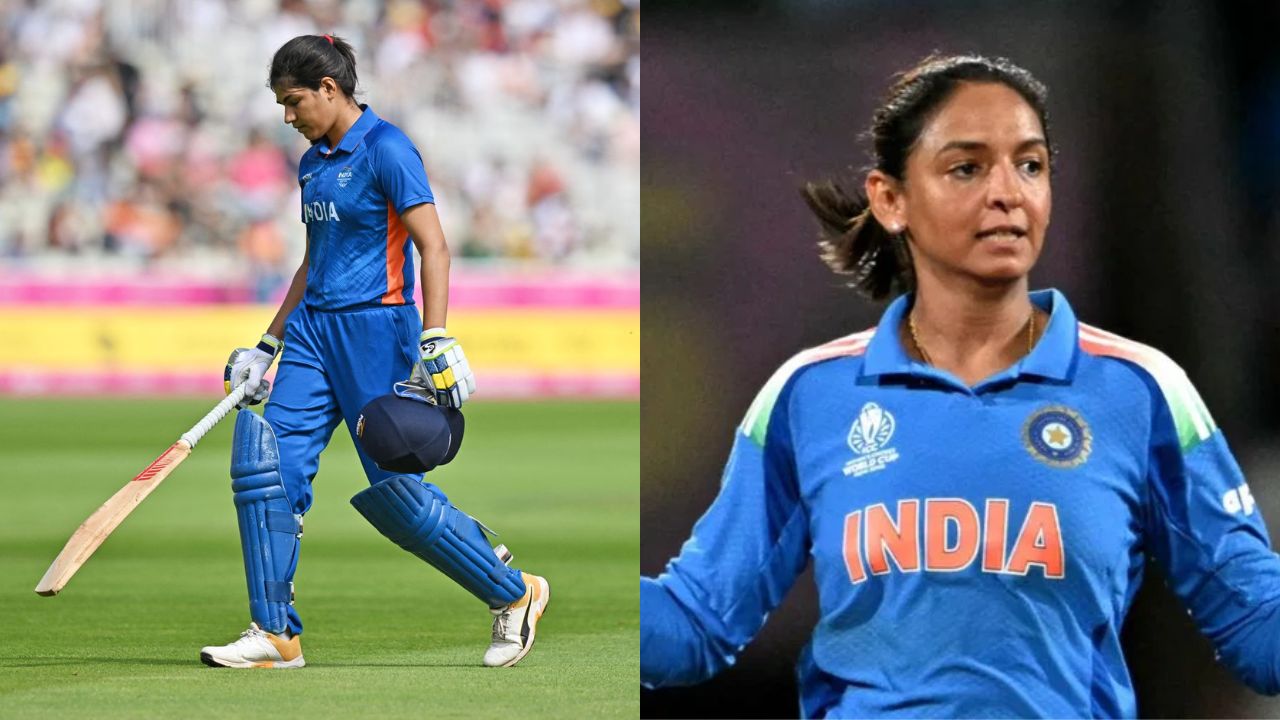
Modern T20 cricket is constantly evolving, with teams and captains searching for any tactical advantage to swing the momentum of a game. A growing trend that has sparked massive debate across the cricketing world is the deliberate tactical decision to retire a batter out. On a tense Saturday afternoon in Bristol, Indian cricket fans witnessed this exact strategy unfold in dramatic fashion. During the second T20I against England, India’s top-order batter Yastika Bhatia was retired out in a desperate bid to inject urgency into a stalling chase. However, the move backfired, and the fallout became the talking point of the match as Yastika Bhatia Retired Out, Then Slammed By Harmanpreet Kaur in the post-match analysis.
The Set-Up: England’s Late Surge Defies India’s Bowlers
The match began with England looking to level the three-match T20I series after suffering a 38-run defeat in the opener. Batting first, the hosts initially struggled to find their rhythm, bogged down by a disciplined Indian bowling attack. India’s bowling unit, led by the impressive Sree Charani, kept the pressure on the English batters. Charani was the standout performer, finishing with stellar figures of 3 for 25 in her four overs. Support came from Nandani Sharma and Shreyanka Patil, who each claimed a crucial wicket to keep England in check.
However, the momentum shifted dramatically in the death overs. At 116 for 4 in the 17th over, England looked set for a modest total. Enter Freya Kemp. The explosive English batter played a sensational, swashbuckling innings of 39 not out off just 13 deliveries. Kemp’s knock, which featured four boundaries and two towering sixes, completely dismantled the Indian death bowling. Her late-innings cameo propelled England to a highly competitive total of 168 for 4, completely changing the complexion of the game and putting the pressure back on India’s batting line-up.
India’s Response: A Promising Start Stalls in the Middle
Chasing 169 to seal the series, India started with intent. Explosive opener Shafali Verma looked dangerous, blasting a quickfire 22 off 14 balls before being dismissed at the end of the third over. Following her departure, the elegant Smriti Mandhana joined forces with Yastika Bhatia. The duo stitched together a solid 43-run partnership, keeping India abreast of the required run rate. However, when Mandhana fell in the ninth over with the score at 70 for 2, India needed 99 runs from 66 balls. With eight wickets in hand and established batters in the dugout, the target was well within reach.
Unfortunately, this was where the chase began to unravel. Yastika Bhatia, who had recently returned from a long injury layoff and had shown brilliant form in the first match with a superb half-century, simply could not find her timing. In the previous game, Bhatia had looked unstoppable, at one point racing to 40 not out off just 17 balls. But Bristol presented a completely different challenge. The left-hander struggled to connect with her shots, mistiming several deliveries and failing to rotate the strike effectively. As the overs ticked away, the pressure built, and by the end of the 15th over, Bhatia found herself stuck on a sluggish 33 runs off 36 balls.
The Decision to Retire Out and the Captain’s Critique
Recognizing that the required run rate was climbing rapidly, the Indian team management decided to take a ruthless tactical gamble. Rather than allowing Bhatia to continue consuming deliveries, she was retired out to bring the dynamic Jemimah Rodrigues to the crease. While retiring out is a legitimate tactical option in modern cricket, it is a double-edged sword that requires immediate results to be deemed successful.
Unfortunately for India, the gamble failed spectacularly. Rodrigues, under immense pressure from the very first ball, was unable to make an impact, falling for just 1 run off 2 deliveries in the following over. The Indian batting lineup collapsed under the mounting pressure, losing wickets at regular intervals. Captain Harmanpreet Kaur, who had returned to the playing XI, tried to anchor the innings but could only manage an underwhelming 28 off 22 balls before being dismissed by Charlie Dean in the 18th over. India eventually finished their 20 overs at 142 for 9, falling 27 runs short of the target as Lauren Bell, Charlie Dean, and Freya Kemp took two wickets apiece to level the series.
In the post-match presentation, Harmanpreet Kaur did not hold back. The Indian skipper candidly addressed the tactical decision and offered a blunt assessment of Bhatia’s slow knock. Kaur explained that while they wanted to give Jemimah a chance due to her strong performance in the previous game, the slow scoring rate in the middle overs ultimately cost them the match. ‘Unfortunately, she [Yastika] wasn’t connecting the ball, and we felt Jemimah was someone who had scored runs in the last game, so we wanted to give her a chance. But I think it didn’t work for us,’ Kaur stated. The captain’s open critique highlighted the high-stakes environment within the team as they prepare for major global tournaments.
Taunton Awaits: A Crucial Decider Before the World Cup
With the series locked at 1-1, all eyes now turn to the third and final T20I in Taunton. This match serves not only as a series decider but also as India’s final competitive fixture before the highly anticipated ICC Women’s T20 World Cup. Following their recent ODI World Cup glory, expectations are sky-high for this Indian side, and they will be desperate to iron out their batting issues before heading into the global tournament. After the decider in Taunton, the team will enjoy a brief break before traveling to Cardiff for a warm-up fixture against the West Indies on June 8. If India are to lift the T20 World Cup trophy, they must find a way to maintain batting intent throughout the middle overs and ensure that tactical maneuvers like retiring batters out are executed with precision.