Michael Vaughan fires back at critics: “People tried to cancel me, but it hasn’t” happened yet
Reflecting on a Storied Career
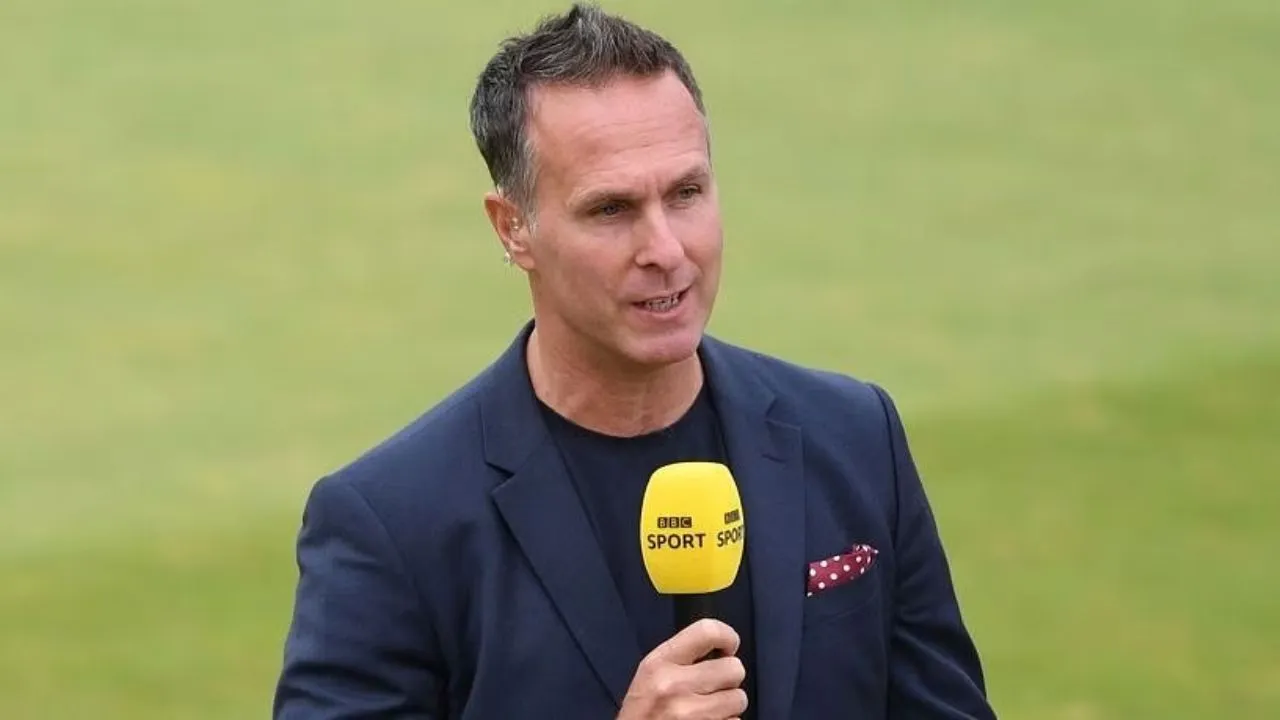
Former England captain Michael Vaughan remains one of the most polarizing and respected figures in modern cricket. Often celebrated as one of the greatest skippers in the history of the sport, his legacy is firmly cemented by the historic 2005 Ashes triumph, which finally ended England’s 18-year drought against Australia. Yet, despite his accolades, Vaughan has recently opened up about the complexities of leadership, the pressure of international scrutiny, and his transition into the broadcasting world.
Vaughan’s playing career, while distinguished, was marked by its own set of unique statistics. Across 82 appearances in the longest format of the game, he amassed 5,719 runs. Interestingly, while he was a master of red-ball cricket, scoring 18 centuries, he famously never recorded a white-ball international century, a quirk that has often surprised pundits given his aggressive batting style.
The Philosophy of Leadership
Taking over the reins from Nasser Hussain, Vaughan transformed the England setup. However, he admits that his approach to captaincy was far more relaxed than the public might have perceived. “At times, I was fine, a great captain. But I didn’t take it too seriously. That’s a good thing to realise that it’s just a game, but knowing it’s also not,” he explained. For Vaughan, the art of leadership was about creating an environment where players felt comfortable rather than intimidated, despite the internal pressure that often felt overwhelming.
He confessed that despite the tactical meetings and discussions with selectors, a significant portion of his captaincy involved winging it. This honesty provides a refreshing perspective on the man who is often analyzed purely through the lens of statistics and match results.
The Joy of County Cricket
While the glory of leading his country was the pinnacle of his professional life, Vaughan remains deeply nostalgic for his roots. Like many English cricketers who view county cricket as the heartbeat of their development, Vaughan holds his time with Yorkshire in high regard. “I loved playing for Yorkshire. I loved it in the 90s, just being on the county treadmill, going around with the team,” he revealed. He acknowledged that while captaining England was the ultimate challenge, the purest form of happiness he experienced was during his time on the domestic circuit.
Life in the Media Spotlight
The transition from player to pundit is rarely easy, but Vaughan has navigated this space for 17 years—a duration nearly matching his playing career. As he approaches his 19th year in the media, he reflects on the resilience required to stay relevant in an era dominated by social media. It is here that he addressed the controversies that have surrounded his public persona. “I’m only two years away from equalling my 19 years as a player. People still see me as a player. They tried to cancel me, but it hasn’t happened yet,” he stated firmly.
Vaughan views his current career as a blessing, noting the privilege of discussing a sport he remains deeply passionate about. He also recognizes how the game has changed for the current generation. He suggests that while modern players face immense scrutiny due to the instant nature of social media, the financial and professional rewards have increased significantly. “You take the rough with the smooth,” he added, capturing the pragmatic outlook that has defined his post-playing life.
Looking Back and Moving Forward
The legacy of Michael Vaughan is not just defined by the Ashes urn he lifted in 2005, but by his ability to remain a fixture in the discourse of the game long after hanging up his boots. His openness about the stresses of captaincy, his love for county cricket, and his defiance against those who have sought to diminish his standing in the media highlight a man who has lived through the highest highs and significant pressures of professional sport. As he continues to provide his insights from the commentary box, his voice remains an essential, albeit debated, part of the fabric of English cricket.