Vikram Solanki blames Ashish Nehra for costly Nishant Sindhu mistake in IPL 2026

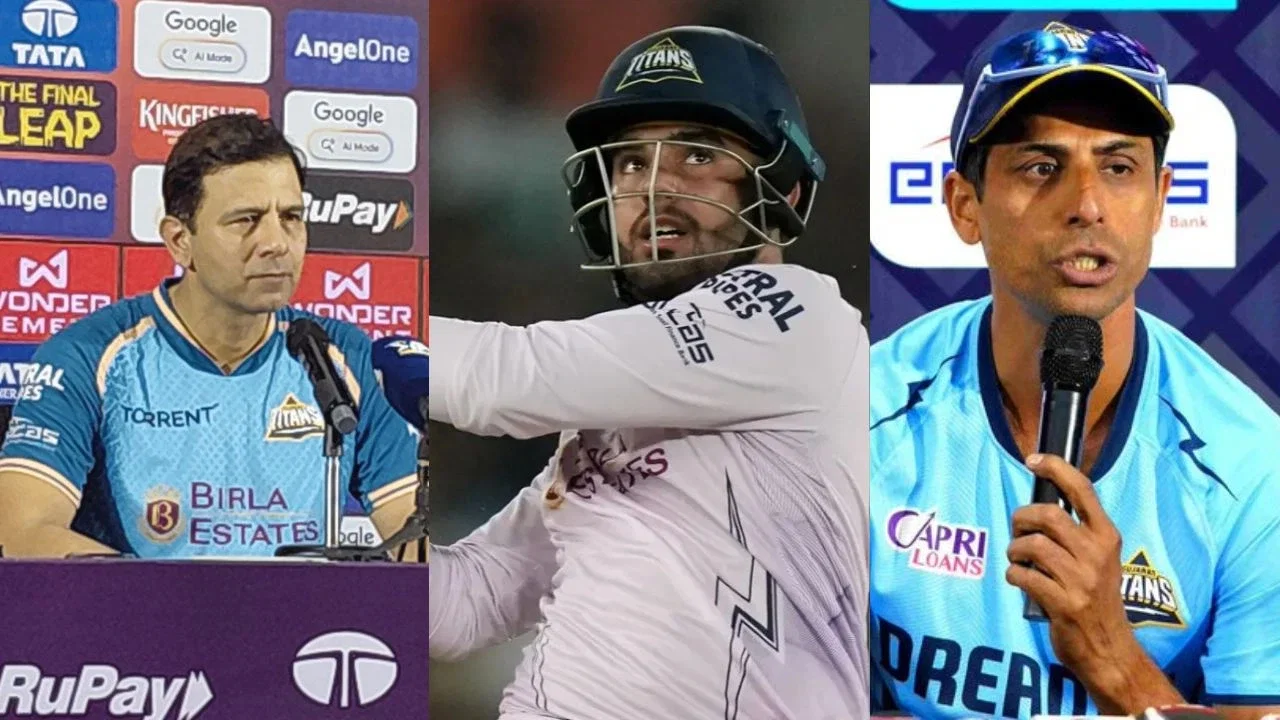
The Tactical Turmoil at the Narendra Modi Stadium
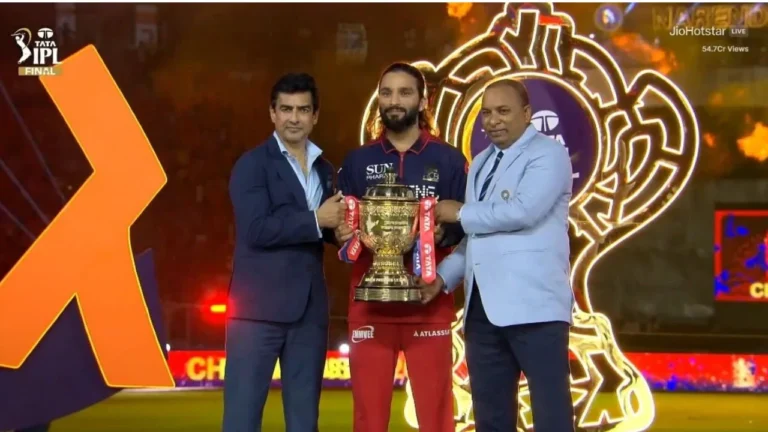
The conclusion of the IPL 2026 season was supposed to be a crowning moment for the Gujarat Titans. However, the atmosphere surrounding the franchise in the aftermath of their final defeat to Royal Challengers Bengaluru (RCB) has been dominated by one lingering question: why was Nishant Sindhu sent to bat at number three? In a candid post-match reveal, Vikram Solanki blames Ashish Nehra for costly Nishant Sindhu mistake in IPL 2026, shifting the focus from the team’s collective effort to a singular, questionable tactical maneuver.
The Strategic Blunder That Defined the Final
The decision unfolded in the early stages of the innings at the Narendra Modi Stadium. Following the dismissal of captain Shubman Gill, the Gujarat Titans found themselves in a precarious position. Conventional wisdom, coupled with the presence of international superstar Jos Buttler in the dugout, suggested that the English powerhouse should have been the next man to walk onto the field to stabilize the innings and accelerate the scoring rate. Instead, the team management opted for the young and relatively inexperienced Nishant Sindhu.
Sindhu’s tenure at the crease was characterized by struggle rather than dominance. Over the course of 18 balls, he managed to score only 20 runs. While he found the boundary three times, his overall impact failed to provide the momentum the team desperately required. His eventual dismissal in the eighth over—a mistimed pull shot off the bowling of Rasikh Salam—left the Titans reeling at 55/3, a position from which they never truly recovered.
Internal Friction and Public Scrutiny
The ripple effects of this decision were immediate. During the broadcast, legendary South African cricketer and RCB icon AB de Villiers offered a scathing critique of the move. Labeling the decision as overtly defensive, De Villiers questioned the logic of keeping a world-class white-ball striker like Jos Buttler waiting while a developmental player faced the high-pressure environment of an IPL final. This public disapproval underscored the sentiment felt by many fans who were baffled by the coaching staff’s approach.
When questioned on the matter, the hierarchy within the Gujarat Titans camp appeared to fracture. Vikram Solanki, the Director of Cricket, was direct in his assessment of who held the responsibility for the batting order. He stated, “We didn’t really discuss it, but Ashish makes those calls now and again, if the captain’s around, in conjunction with the captain.” He further clarified the internal process by noting, “Nishant Sindhu, that was a bit of a judgement call. Ashish made that call to send him in at three at that time.”
Reflecting on the Outcome
The consequences of the decision were stark when viewing the final scorecard. Jos Buttler, once he finally arrived at the crease, could only manage 19 runs off 23 balls. The Gujarat Titans were ultimately restricted to a total of 155/8, a score that Solanki himself admitted was roughly 20-25 runs below what was needed to be competitive against a side as potent as RCB. While the team showed admirable fight to bring the game as close as they did, the early tactical disadvantage had already done its damage.
Despite the frustration of the loss, Solanki maintained a level of professionalism in his interactions with the media. He offered his congratulations to the Royal Challengers Bengaluru, acknowledging their superior performance on the night. He noted that the group is proud of their overall campaign, even if they fell short of the ultimate goal. The disappointment, however, is palpable, as the franchise is forced to reconcile with the fact that their championship aspirations were hampered by a decision that has now become the focal point of the season’s post-mortem analysis.
Looking Ahead: The Cost of Coaching Decisions
As the IPL 2026 season closes its doors, the fallout from this specific incident serves as a reminder of how quickly coaching decisions can transform from calculated risks into liabilities. By isolating the choice to promote Nishant Sindhu, the Titans have sparked a debate regarding the collaborative nature of their leadership and the efficacy of their communication under pressure. Whether this leads to structural changes within the management or a shift in coaching philosophy remains to be seen. For now, the Gujarat Titans are left to reflect on what might have been had they placed their faith in their established stars during the most critical moment of their final.