Root rides again in moment of crisis as England pay the price for optics

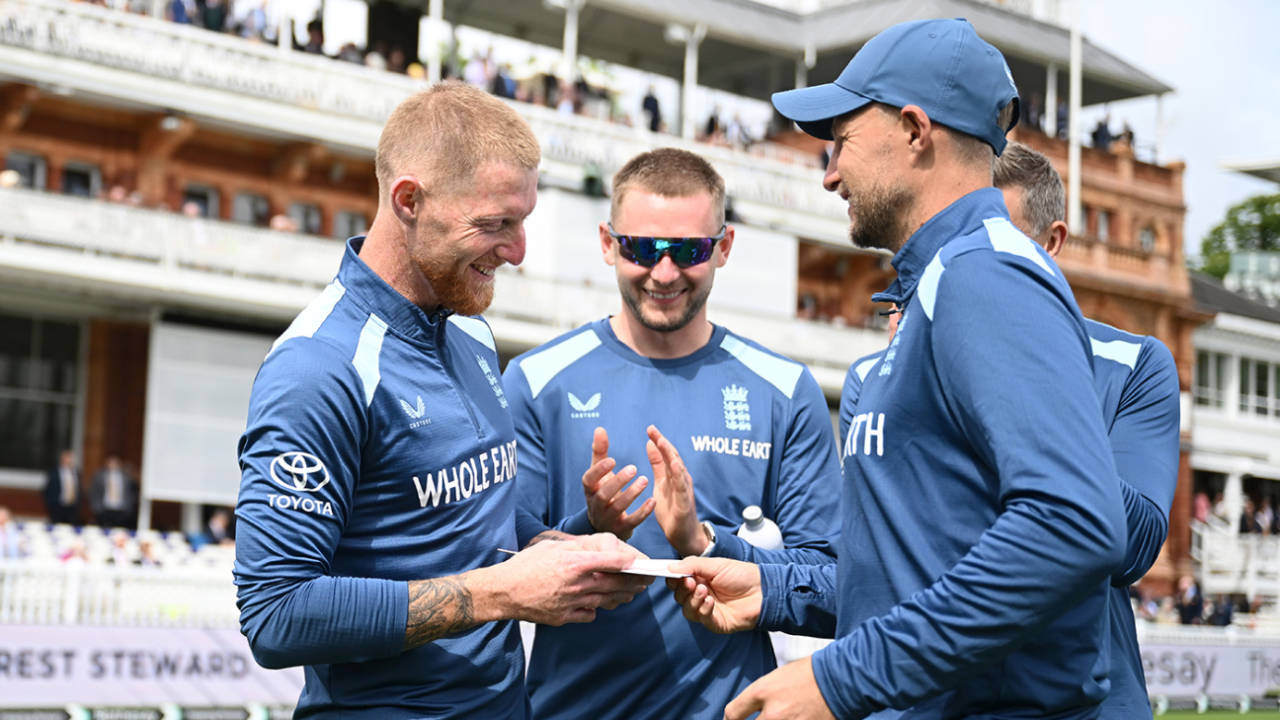
A Familiar Face in Familiar Chaos
Never go back, so the old adage goes. Joe Root certainly never gave the impression of being a man who wanted to revisit the horrors of his record-breaking 64 Tests as England captain. Yet, in a turn of events that underscores the ECB‘s struggle to manage an escalating situation, Root is back at the helm. Though termed an interim appointment, the move highlights the deep instability currently plaguing the England men’s Test side.
The Crisis of Optics
The situation erupted following a breach of protocol by Ben Stokes and Gus Atkinson, who were found staying out past the team’s midnight curfew. In the eyes of the ECB, this was a matter of optics. The decision to exclude Stokes, even temporarily, has forced the team into a defensive posture, prioritizing the appearance of discipline over the tactical necessity of their leader. The controversy has left the team scrambling, with the management seemingly caught between enforcing rigid rules and maintaining a competitive squad.
The Question of Leadership
The prospect of Harry Brook stepping into the role was quickly dismissed, and rightly so. While Brook is the designated vice-captain and the leader-in-waiting, placing him in charge now would have been a public relations disaster given his own past disciplinary history. By avoiding that contradiction, the ECB turned to the only person with the stature and experience to steady the ship: Joe Root. It is a decision that reflects both the scarcity of alternative options and the weight of the current crisis.
Reflecting on the Past
Root’s tenure as captain was long and, at times, grueling. It culminated in a period of extreme burnout, characterized by a run of one win in 17 matches and consecutive Ashes defeats. However, his record also includes significant achievements, such as the 4-1 series victory over India in 2018. That remains the last five-Test series England has managed to win, a fact that speaks volumes about the challenges Stokes and his predecessors have faced.
The Burden of the ECB
Critics argue that the ECB is overly focused on performative discipline. Reports suggest that Stokes was merely socializing with professional peers, such as rugby star Maro Itoje, rather than engaging in the kind of reckless behavior that defined his darker moments in Bristol years ago. At 35, there is a sense that Stokes is being subjected to a standard that ignores his growth and current maturity. The tension between the player’s personal freedom and the governing body’s rigid protocols has created an unnecessary rift.
Moving Forward
Root stepping back into the hot seat is not a sign of a long-term plan, but rather an act of service for a teammate. By taking the reins, he buys Stokes the time and space needed to address his priorities and clear his head. It is a familiar narrative in English cricket: the senior players taking ownership of the team’s destiny while the management remains preoccupied with external perceptions. Whether this move will allow England to recover for the second Test remains to be seen, but for now, the veteran batter finds himself in the crosshairs of a crisis he once thought he had left behind. The future of this England team depends on more than just the players on the field; it requires a reconciliation between the players’ reality and the administration’s expectations.