Mismatch in batting firepower could dictate the outcome again in T20I
The stark reality for Sri Lanka
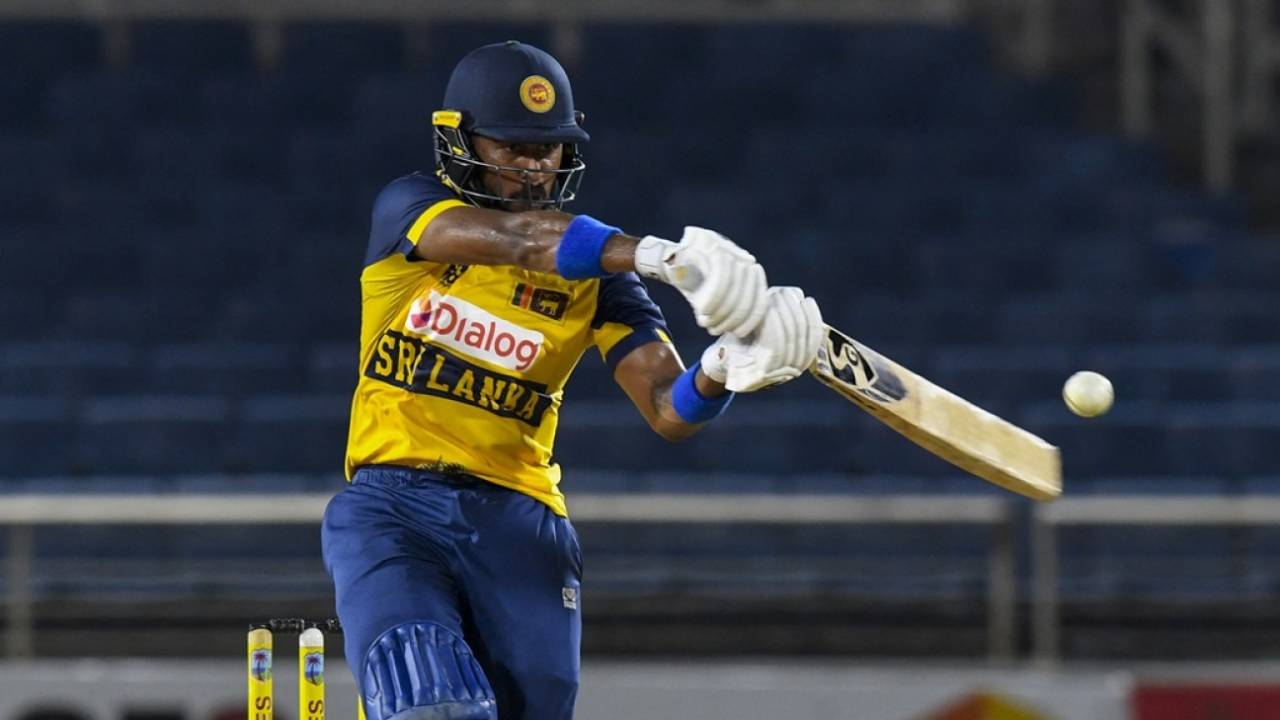
The opening T20I of the series followed a script that has become all too familiar for the Sri Lankan squad. Despite a high-octane start from Kusal Mendis, the team’s middle-order brittleness quickly came to the fore. The loss of four top-order batters before the halfway mark forced the remaining players into a defensive shell, prioritizing consolidation over the aggressive hitting required in the modern T20 game. A sluggish 25-run performance during the death overs further highlighted the team’s current limitations.
While head coach Gary Kirsten continues to preach the importance of process over immediate results, the current reality remains difficult to ignore. The transition from a historic ODI series win to the T20I format has exposed a glaring disparity between the two sides. Each of the top-five West Indies batters managed to clear the ropes at least once, showcasing a level of depth that Sri Lanka simply does not possess at the moment. When comparing the two lineups, a mismatch in batting firepower could dictate the outcome again in the upcoming clash, potentially handing the series to the hosts.
West Indies in the driver’s seat
For Shai Hope and his team, the path ahead looks clear. A victory in the second match would secure the series with a game to spare. Their multi-pronged pace attack, spearheaded by the experienced Jason Holder, effectively exploited the bounce at Sabina Park. While the hosts allowed Sri Lanka to drag the game deeper than intended, their tactical execution was superior. The focus for West Indies now shifts toward a more complete performance, aiming to neutralize any resistance Sri Lanka might attempt to mount.
Spotlight on key performers
Jason Holder remains the linchpin for the West Indies. His match-winning performance of 3 for 18 in the opener demonstrated his tactical acumen and value to the team. Given the patchy nature of the pitches at Sabina Park, Holder’s subtle variations and cutters will be a primary threat in the second encounter.
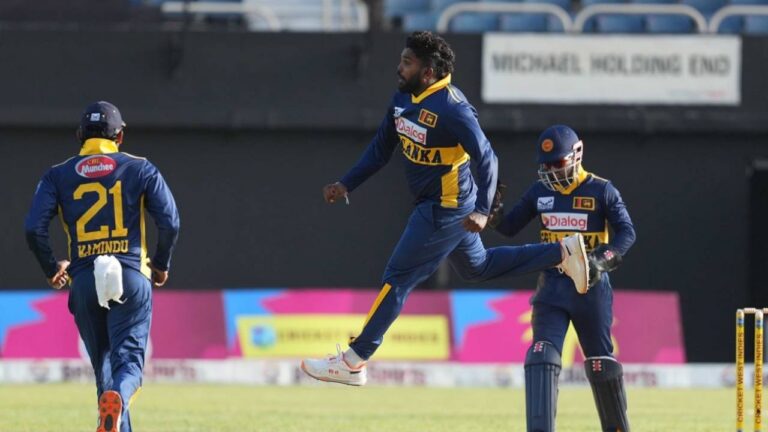
Conversely, Kamindu Mendis has emerged as the rare bright spot for the tourists. His resilient 39-ball 51 proved his ability to handle both pace and spin. However, one player cannot carry the weight of an entire innings. Mendis needs significant support from his teammates if Sri Lanka hopes to post a total that challenges a side as deep as the West Indies.
Tactical adjustments and team news
West Indies are likely to remain unchanged after their successful tactical gamble to field an extra seamer instead of a specialist spinner. The pace trio of Holder, Shamar Shepherd, and Shamar Joseph proved too much to handle.
Sri Lanka, meanwhile, faces a conundrum. Having experimented with a 6-5 batting combination that resulted in a collapse, the management may look to strengthen their depth. Bringing in all-rounder Dunith Wellalage could provide much-needed stability to the middle order and offer another spin option, provided the team composition allows for it. The expected slower surface for the second game may also bring the frontline spinners back into the match as a significant factor.
A historical perspective
The statistics reflect the current struggle for Sri Lanka, who have lost each of their last five T20Is—their worst run in the format since early 2022. While Wanindu Hasaranga continues to be a force with the ball, climbing the ranks of the highest wicket-takers against the West Indies, the team’s overall output remains inconsistent. With only two victories on West Indian soil in their history, the task for Sri Lanka is monumental. They must snap their batting into place immediately, or they risk facing a dead rubber in the final game of the series. The weather in Kingston remains clear, ensuring that there will be no excuses for either side as they prepare to battle for supremacy at Sabina Park.