Mandhana, Deepti, Richa star as India breeze past Pakistan in T20 World Cup

An Electrifying Clash in Birmingham
The stage was set at a packed, sun-drenched venue in Birmingham on Sunday. In front of a passionate, sellout crowd, one of cricket’s greatest rivalries renewed itself on the global stage. It was a match filled with high stakes, intense pressure, and brilliant individual performances. In the end, India’s clinical display proved too strong for their arch-rivals, as the team secured a vital victory and a massive net run rate boost in what has been widely described as the tournament’s “group of death.”
Mandhana and Harmanpreet Rebuild the Innings
Opting to bat first, India’s innings did not start according to plan. The team found themselves in early trouble, slipping to a precarious 18 for 2. Pakistan’s opening bowlers found good rhythm, putting the Indian top order under immediate pressure. However, opener Smriti Mandhana showed her immense class and composure. She anchored the innings beautifully, compiling a masterful 68 to lead the recovery.
Mandhana was joined by captain Harmanpreet Kaur, and together the duo stabilized the ship. Harmanpreet played a crucial supporting role, scoring a steady 36. Their partnership frustrated the Pakistani bowlers and laid a solid foundation for a competitive total. Mandhana’s elegant stroke play and tactical awareness allowed India to transition from a defensive posture back into an attacking one. Her knock of 68 was the cornerstone of India’s total, helping them post 170 for 6—their highest score against Pakistan in a T20 World Cup. Pakistan’s bowler Sana was the pick of their attack, finishing with respectable figures of 2-33 amidst the Indian onslaught.
Richa Ghosh’s Explosive Late Cameo
While Mandhana and Harmanpreet set the platform, it was Richa Ghosh who provided the explosive finish that took the game completely away from Pakistan. Coming into the tournament, there were lingering concerns regarding Ghosh’s form, especially after some quiet outings in the warm-up matches last week. However, the young wicketkeeper-batter silenced all doubters with a sensational cameo.
Ghosh smashed a quickfire 34 off just 17 deliveries. Her innings injected immense momentum into the back end of India’s innings. She showcased her power and clean hitting, particularly in the closing overs. In a spectacular display of death-overs batting, Ghosh hit four boundaries and a massive six off her last eight legal deliveries. This late surge allowed India to plunder 60 runs from the final six overs. At one stage, it appeared India would finish with a score around 150, but Ghosh’s fireworks propelled them to a formidable 170 for 6. This late onslaught completely shifted the psychological advantage in India’s favor heading into the innings break.
Pakistan’s Chase: A Bright Start Ends in a Collapse
Chasing 171 for victory was always going to be a steep mountain to climb for Pakistan, but their openers started with intent. They took the attack to the Indian bowlers, racing to 38 runs in quick time. The early momentum seemed to be shifting towards Pakistan as their batters found the boundary regularly, keeping up with the required run rate and raising hopes of a thrilling chase.
The dangerous Muneeba Ali was at the center of Pakistan’s early charge. She batted with aggression and poise, scoring a top-class 41. However, just as Pakistan looked to establish a dominant position, India’s spinners entered the fray and tightened their grip on the match. The turning point of the chase came in the field, courtesy of Deepti Sharma’s brilliance.
The Deepti Sharma Show: Spin and Field Brilliance
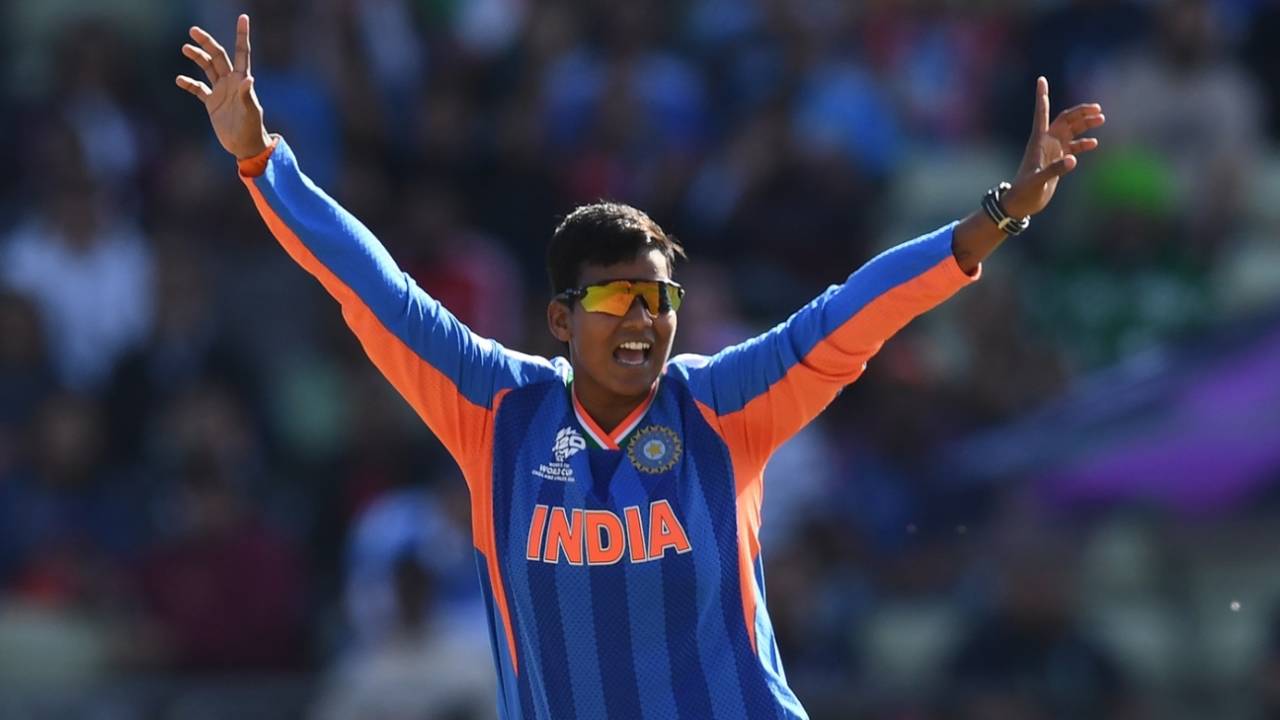
Deepti Sharma turned the game on its head with an extraordinary all-round bowling and fielding performance. First, she struck twice in quick succession during her opening two overs to stem the flow of runs. But her most impactful contribution came in the field. From her position at short third, Deepti executed a sensational direct hit to run out the well-set Muneeba Ali for 41. It was a moment of sheer athletic brilliance that broke the back of the Pakistani chase.
Muneeba’s dismissal triggered a catastrophic collapse from which Pakistan never recovered. India’s spinners, led by Deepti, choked the runs and forced mistakes. Pakistan lost five wickets for just 26 runs through the middle overs, completely losing their way. Deepti was absolutely unplayable, finishing with astonishing figures of 5 for 10. In doing so, she etched her name into the history books by becoming the highest wicket-taker in women’s T20 International history. Supporting Deepti was Charani, who bowled beautifully to claim 3-21, ensuring there was no escape for the Pakistan lower order. Pakistan was eventually bowled out for 106 in the face of relentless pressure.
A Crucial Victory in the Group of Death
Although both sides put on an entertaining show for the sellout Birmingham crowd, the fielding from both teams left much to be desired. Multiple opportunities were missed in the field by both India and Pakistan, a department both coaching staffs will surely look to address before their upcoming fixtures. However, India’s superior execution in the death overs with the bat, combined with their spin dominance, proved to be the ultimate difference.
With this emphatic 64-run victory, India not only walks away with two crucial points but also secures a massive net run rate cushion. In a highly competitive group where every run and wicket counts, this dominant performance sends a strong message to the rest of the competition. The clinical displays of Mandhana, Deepti, and Ghosh have set a high benchmark for India as they progress further into the tournament.