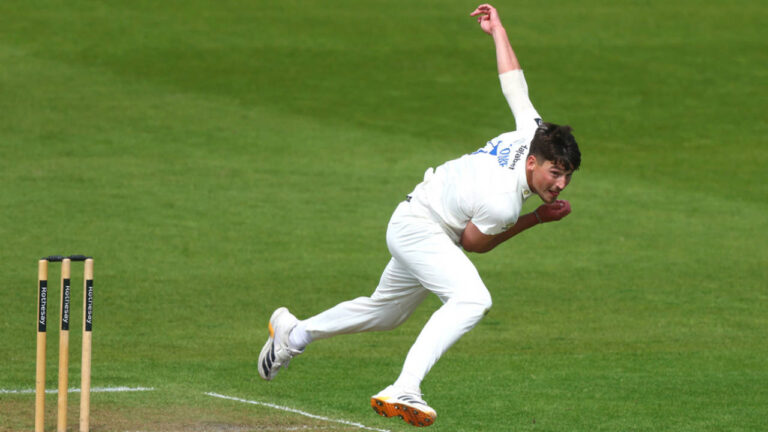
CA and states agree ‘in principle’ to BBL privatisation but hurdles remain
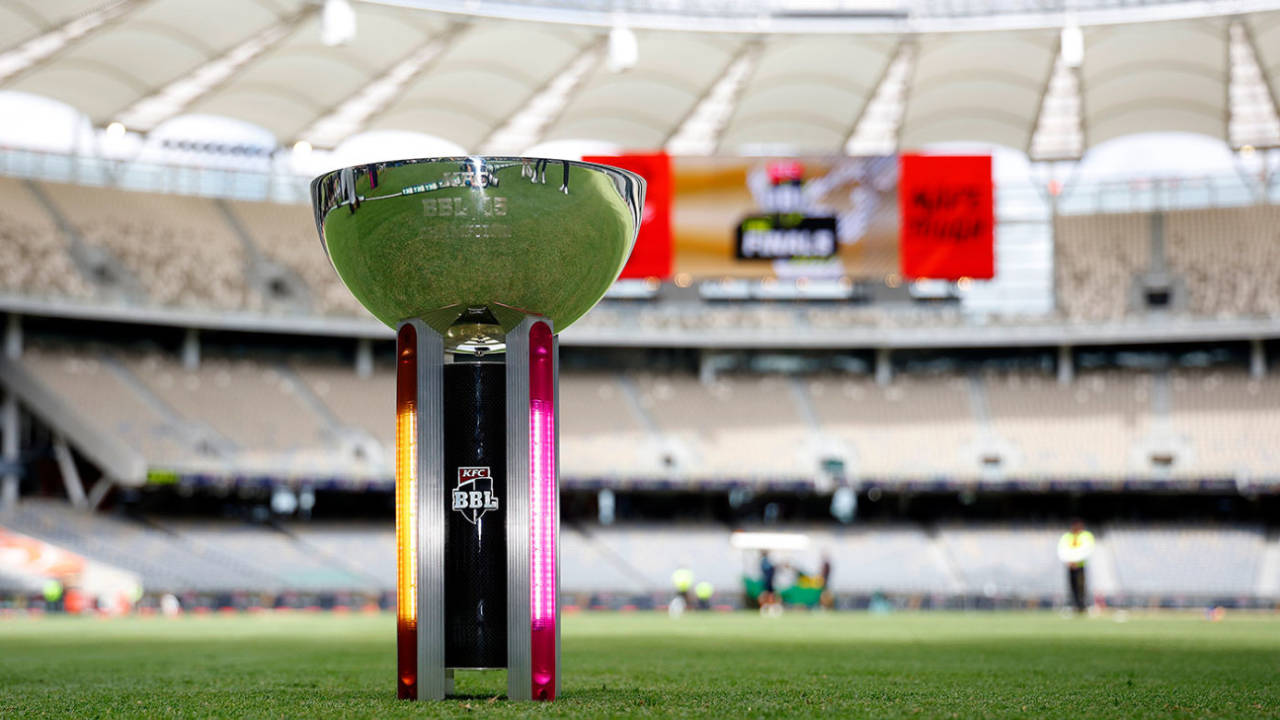
A Major Step Forward in the Big Bash Privatisation Saga
Australian cricket has reached a significant crossroads. In a historic meeting at Cricket Australia (CA) headquarters in Melbourne, CA and states agree ‘in principle’ to BBL privatisation but hurdles remain before any private investment can be finalized. For the first time in this long-running negotiation process, all six state associations have aligned on a path forward, endorsing a “self-determination” model. However, this hard-won consensus faces an immediate and formidable barrier: the Australian Cricketers’ Association (ACA) has steadfastly vowed to reject the current framework.
The Breakthrough: What is the Self-Determination Model?
Under the proposed self-determination model, individual state boards will have the autonomy to decide if, when, and how they sell stakes in their Big Bash League (BBL) franchises. This is a dramatic shift from earlier, more centralized proposals that suggested a uniform sale of stakes across all eight BBL clubs—a concept that previously drew sharp criticism from several states.
This compromise has successfully brought former dissenters into the fold. New South Wales, Queensland, and South Australia have historically voiced strong objections to CA’s privatisation models. However, the flexibility of the self-determination model has successfully resolved their primary concerns, leading to an “in-principle” agreement. Meanwhile, states like Western Australia and Tasmania have remained supportive throughout the process, and Cricket Victoria has already moved aggressively ahead of the pack by merging the administrations of the Melbourne Stars and Melbourne Renegades earlier this month.
The Four Key Requirements for Implementation
The “in-principle” agreement is not a final sign-off. It is contingent on meeting four critical requirements that must be resolved before any transaction can take place in the open market:
- Governance Structure of the BBL: Stakeholders must agree on the future governance framework for both the Men’s and Women’s Big Bash Leagues.
- Cricket Australia Governance Changes: The overarching CA governance structure must be reformed to accommodate the complexities of a new operating model involving private owners.
- ACA Agreement: Mechanics of the self-determination model must be formally agreed upon with the Australian Cricketers’ Association.
- Funding and Distribution Agreements: CA and each of the state associations must negotiate future funding models and financial distribution structures.
Once these conditions are satisfied, Cricket Victoria is positioned to be the first state to test the market, providing a crucial real-world valuation of a BBL franchise.
The ACA Stand-Off: The Most Pressing Hurdle
Despite the optimism shared between CA and the state chairs, the player union represents a major roadblock. ACA Chief Executive Paul Marsh has made the union’s opposition clear, sending a direct email to players confirming that the ACA will not agree to the current model proposed by Cricket Australia. This announcement came just a day after the states reached their historic accord.
The friction point centers around the overall management of the privatisation proposal and the rapid administrative restructuring taking place in Victoria. Last week, Marsh and a delegation of players held discussions with CA CEO Todd Greenberg and BBL boss Alistair Dobson to voice their concerns. The ACA also scheduled an emergency briefing with players from both the Melbourne Stars and Melbourne Renegades to address the ongoing administrative mergers and Victoria’s plans to fully sell off its second BBL franchise.
Administrative Turmoil and Season Timelines
While Cricket Victoria has already initiated sweeping administrative changes—including decisions regarding coaching structures for both Melbourne clubs—the slow pace of high-level negotiations threatens to disrupt upcoming seasons. With the Women’s Big Bash League (WBBL) starting in late October and the Men’s BBL launching in mid-December, the timeline for the 2026-27 season remains highly compressed.
It is increasingly likely that a temporary caretaker administration will need to manage the Renegades for the 2026-27 season. Cricket Australia has maintained that its ultimate goal is to have the fully privatized and restructured model operational for the 2027-28 season, giving all parties more breathing room to resolve these complex governance and player-relation issues.
Leadership Perspectives: Optimism Amid Caution
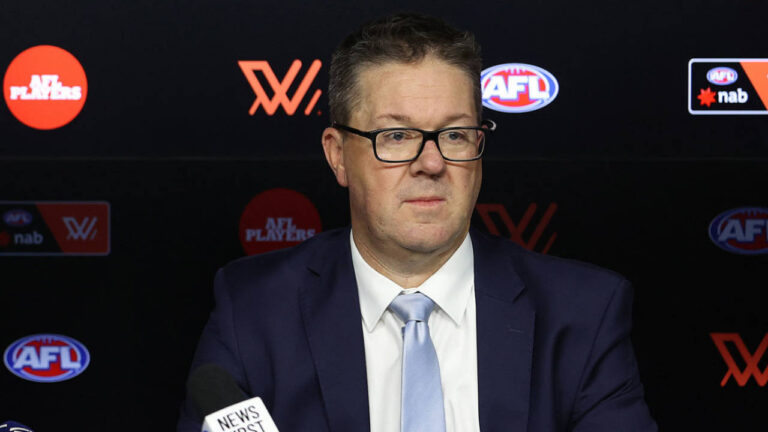
Despite the looming battle with the players’ union, administrative leaders have expressed confidence in the progress made. Cricket Australia Chair Mike Baird characterized the Monday meeting as a highly productive step forward for the sport.
“The discussions today were very productive, and I’m pleased we have continued the momentum toward optimising the Big Bash Leagues for the benefit of the entire game,” Baird stated. He emphasized that the state chairs will now take these proposals back to their respective boards to address member queries regarding governance, player support, and financial distributions.
South Australia Chair Will Rayner, whose state championed the self-determination model as an alternative to the initial blanket sale proposal, echoed these sentiments. Rayner noted that while there is still a vast amount of work to complete, the session successfully established the necessary groundwork to grow the BBL while preserving the long-term sovereignty and sustainability of Australian cricket.