India vs Pakistan Test Series: ICC Meetings Could Reshape Test Cricket Future

A Pivotal Moment for the Future of Test Cricket
The International Cricket Council (ICC) is gearing up for a series of crucial administrative meetings that could have far-reaching implications for the sport. As global cricket officials convene to discuss the future of the World Test Championship (WTC), the most talked-about topic remains the potential resumption of a Test series between rivals India and Pakistan. With the cricketing landscape constantly evolving, these upcoming sessions in May will be vital in setting the tone for the 2027–29 cycle.
The ICC Board and Executive Meetings
The upcoming schedule for ICC officials is packed with strategic planning. The ICC Chief Executives’ Committee (CEC) is slated to hold a virtual meeting on May 21 to address pressing matters, having shifted the venue from original plans in Doha, Qatar. Following this, the Board meeting is set to take place in Ahmedabad on May 30 and 31, coinciding with the final weekend of the IPL 2026. These meetings are part of the regular planning cycle, yet the gravity of the potential reforms has heightened expectations among fans and pundits alike.
There remains a level of uncertainty regarding the physical attendance of Pakistan Cricket Board (PCB) chairman Mohsin Naqvi. Due to ongoing political complexities, his travel plans to India remain unconfirmed, leading to the high likelihood that he will participate in the discussions via a virtual connection.
Expanding the World Test Championship
Beyond the bilateral headlines, the ICC has tasked a special working group—led by former New Zealand batter Roger Twose—with identifying ways to improve the WTC structure. A primary recommendation under consideration is the expansion of the championship from its current nine-team format to a more inclusive 12-team setup. This expansion would theoretically integrate nations like Zimbabwe, Ireland, and Afghanistan into the championship cycle, fostering a more competitive global environment.
The India-Pakistan Test Series Discussion
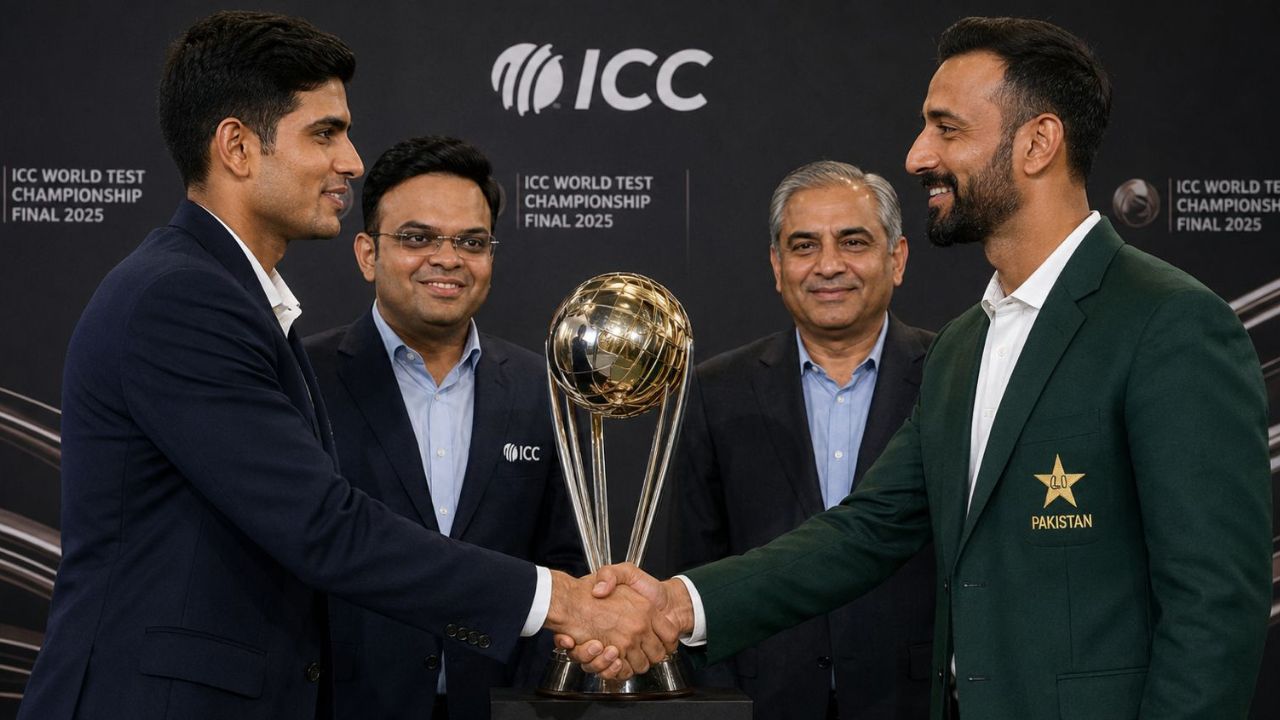
For millions of cricket fans, the prospect of an India-Pakistan Test series is the ultimate goal. The two nations have not faced each other in the longest format of the game since the 2007-08 season, with political and bilateral tensions keeping the rivalry limited to ICC tournaments and multi-nation events. PCB chairman Mohsin Naqvi has expressed openness to playing Test cricket against all member boards in the upcoming Future Tours Programme (FTP). While no official agreement is currently on the table, the ICC’s willingness to facilitate these discussions underscores a desire to bridge gaps where possible.
One-Test Series Proposals and Financial Viability
Another significant proposal on the table is the introduction of one-Test series. Currently, WTC regulations require each series to consist of at least two Test matches. However, some officials argue that shifting to a single-match format could significantly assist smaller cricket boards in managing travel, infrastructure costs, and complex scheduling constraints. By lowering the barrier to entry, more teams could potentially participate in regular Test cricket.
Conversely, traditionalists and several cricket experts express concerns that shortening the series length could undermine the ability to accurately measure a team’s long-term performance and consistency. As the current WTC cycle continues, the ICC is expected to weigh the need for financial and logistical efficiency against the integrity of the five-day game. While the current structure is expected to remain in place through the 2027–29 cycle, the groundwork laid in these meetings will undoubtedly influence the long-term trajectory of international cricket.
Looking Ahead
As the cricket world turns its attention to the upcoming meetings in Ahmedabad and the subsequent annual general meeting in Edinburgh this July, the sport stands at a crossroads. Whether it be the inclusion of new Test-playing nations or the highly anticipated restoration of the most storied rivalry in the game, the decisions made in these boardrooms will shape the experience for players and spectators for years to come. With the current FTP ending next March, the window for defining the future of the WTC is rapidly narrowing, making the upcoming discussions more critical than ever.