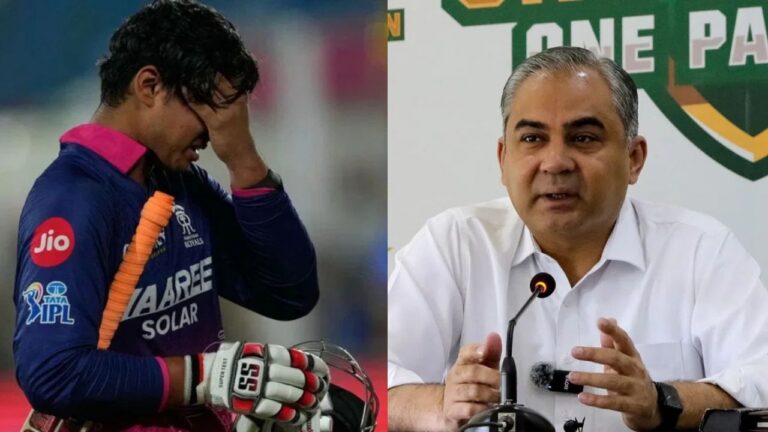
Mohsin Naqvi Confirms Virtual Attendance for ICC Meeting in India
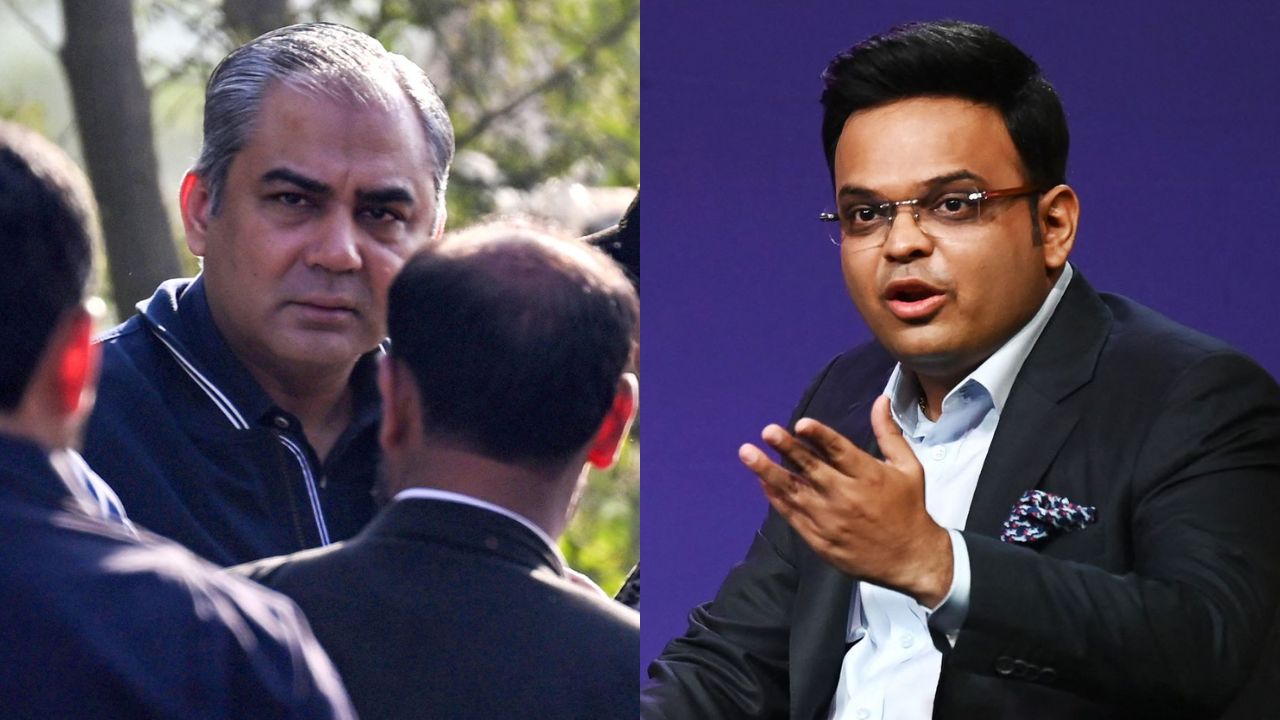
A Strained Diplomatic Landscape
The intricate relationship between the Pakistan Cricket Board (PCB) and the Board of Control for Cricket in India (BCCI) remains one of the most volatile subjects in global sports. Recent developments have further highlighted this divide, as the PCB continues to maintain a resolute stance regarding travel commitments to India. This friction, which has persisted for years, has been recently exacerbated by the refusal of India to travel to Pakistan for the ICC Champions Trophy 2025.
The ICC Directors’ Meeting in Ahmedabad
The International Cricket Council (ICC) has scheduled a pivotal directors’ meeting to be held in Ahmedabad on May 30 and May 31. This meeting, which gathers representatives from cricket boards across the globe, is critical for the future governance of the sport. Given his role as the PCB Chief, Mohsin Naqvi’s presence is considered of high importance for the decision-making process.
However, despite the ICC’s invitation, the PCB has clarified that Naqvi will not be traveling to India in person. Instead, the board has opted for a virtual presence, ensuring that the PCB remains represented in the discourse via video conference, even as representatives from other nations are expected to attend physically. This move underscores the board’s commitment to its current policy, balancing international participation with its diplomatic stance.
A History of Tensions
The decision to attend virtually is deeply rooted in a series of events that have marred the cricketing relationship between the two neighbors. Following the ICC Men’s World Cup 2023, where the Pakistan team visited Ahmedabad, expectations were high for reciprocal travel. However, with India deciding not to participate in the 2025 Champions Trophy, the PCB was forced to shift matches to Dubai. This logistical upheaval, combined with heightened cross-border tensions, has made any form of engagement a complex political maneuver.
Controversies have continued to bubble under the surface, from the cancellation of the Women’s Emerging Asia Cup 2025 to various incidents during the Men’s Asia Cup. These events, marked by diplomatic friction and symbolic gestures, have created an environment where even standard administrative meetings are viewed through a lens of national pride and policy.
Agenda for the Ahmedabad Summit
While the focus remains on the presence of the delegates, the meeting itself carries significant implications for the future of the game. Originally slated to take place in Doha, Qatar, the meeting was relocated to India due to safety concerns and the volatile situation in West Asia.
The board members are set to deliberate on several transformative topics, including:
- The Future of Test Cricket: A critical review of how the game’s longest format can be sustained in an era dominated by T20 leagues.
- World Test Championship (WTC) Restructuring: Proposals are on the table to potentially include nations like Afghanistan, Ireland, and Zimbabwe to broaden the competitive base.
- Tiered WTC Model: Discussions around splitting the WTC into two tiers of six teams each to mitigate the prevalence of lopsided results and enhance competitiveness across the board.
These strategic discussions are vital for the ICC’s long-term roadmap. As the cricketing world watches, the PCB’s decision to engage remotely reflects the ongoing efforts to navigate a challenging diplomatic path while still contributing to the global governance of cricket. The outcome of these discussions in Ahmedabad could reshape the international calendar for years to come, long after the current tensions have been addressed.
Looking Ahead
Beyond the Ahmedabad summit, the cricketing fraternity is already looking forward to the Annual General Meeting of the ICC, which is expected to convene in Edinburgh later this year following the conclusion of the Women’s T20 World Cup in England. As the board leaders prepare for these deliberations, the focus remains on finding a balance between the necessity of international collaboration and the constraints imposed by complex political realities.