The Physical Toll of the IPL: Understanding Retired Hurt
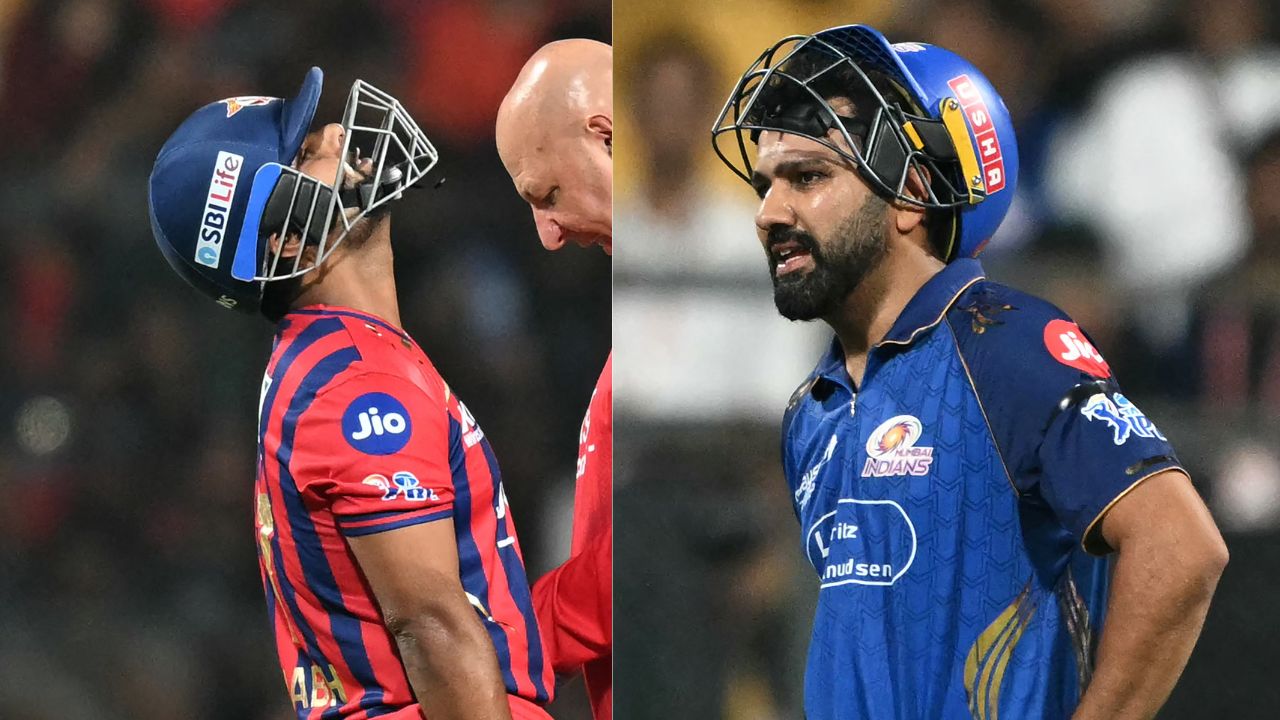
The Indian Premier League (IPL) is known for its intense pace, high-quality bowling, and the immense pressure placed on batters to deliver in every single delivery. As the tournament progresses, the physical toll on athletes becomes increasingly apparent. Recently, during the 2026 season, high-profile names including Rishabh Pant and Rohit Sharma have had to exit the field prematurely, categorizing them as ‘retired hurt.’
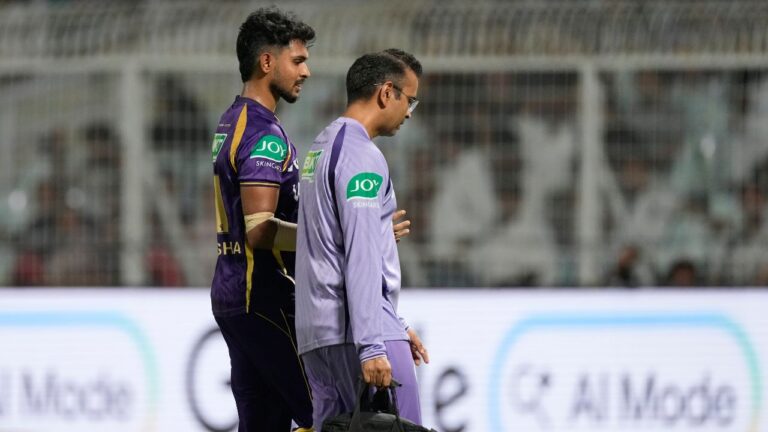
Understanding the nuances of these departures is essential for any cricket enthusiast. Whether it is a sudden impact from a fiery bouncer or a nagging muscular strain, the ‘retired hurt’ designation serves as a mechanism to protect the player’s health while maintaining the integrity of the game.
Rishabh Pant and the 2026 Season Incidents
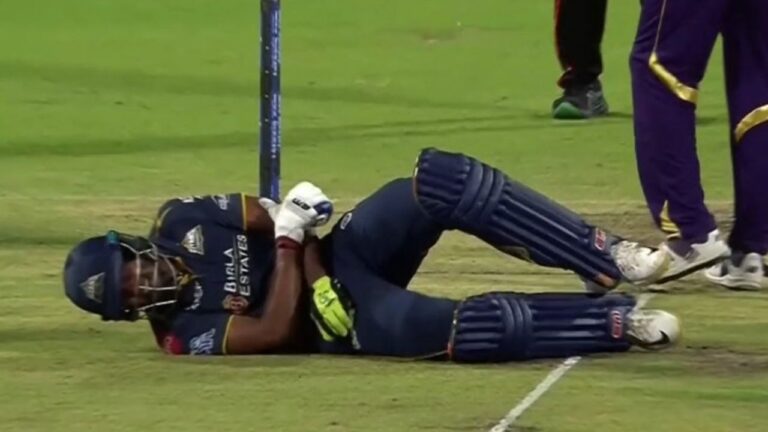
The 2026 IPL season witnessed a moment of concern for Lucknow Super Giants fans when Rishabh Pant was forced off the pitch. During a match against Royal Challengers Bengaluru (RCB), Pant faced a hostile short ball from Josh Hazlewood. The delivery struck his unprotected left elbow during a pull shot attempt. Clearly distressed by the pain, the wicketkeeper-batter consulted with the physio before making the difficult decision to retire hurt in the fifth over, ending his stay at the crease prematurely.
Rohit Sharma’s Exit at Wankhede
Earlier in the same campaign, Mumbai Indians captain Rohit Sharma faced a similar fate during a high-octane chase against RCB at the iconic Wankhede Stadium. While chasing a formidable target of 241, the 39-year-old veteran experienced discomfort in his hamstring during the sixth over. Despite receiving medical attention on the field and attempting to soldier on with a strapped thigh, Rohit ultimately decided he could not continue. He retired hurt after scoring 19 runs off 13 deliveries, a significant blow to Mumbai’s pursuit of a mammoth total, which they eventually fell 18 runs short of chasing.
Retired Hurt vs. Retired Out: The Regulatory Distinction
It is common for fans to confuse the terms ‘retired hurt’ and ‘retired out,’ yet the implications for the match are vastly different under the Marylebone Cricket Club (MCC) Laws of Cricket.
Retired Hurt (Retired Not Out)
According to MCC Law 25.4, a batter who leaves the field due to injury, illness, or an unavoidable cause is classified as ‘Retired Not Out.’ The key advantage of this designation is that the player is permitted to resume their innings later, provided they are deemed fit and their team still has wickets remaining. They typically return to the crease following the fall of a wicket or after another batter retires.
Retired Out
Conversely, ‘retired out’ is a strategic tactical maneuver rather than a medical necessity. This occurs when a batter voluntarily leaves the field without any health-related cause. This is often done to bring in a fresh batter who might be better suited to the specific game situation—such as a power hitter needed in the closing stages of a chase. Under MCC Law 25.4.3, a batter who retires for reasons other than injury or illness is recorded as ‘Retired Out’ and cannot resume their innings unless the opposing team’s captain grants permission. This distinction is vital for maintaining the tactical balance of the sport.
Conclusion
The list of players who have retired hurt in the IPL grows alongside the intensity of the competition. While these departures often disrupt the momentum of an innings, they highlight the grueling reality of professional cricket. Whether it is an unfortunate injury requiring immediate medical intervention or a strategic retirement to maximize run rates, the rules ensure that the game remains fair and competitive. As the 2026 season unfolds, the health and resilience of these athletes remain a focal point for fans and analysts alike, underscoring the risks involved in chasing glory on the cricket field.