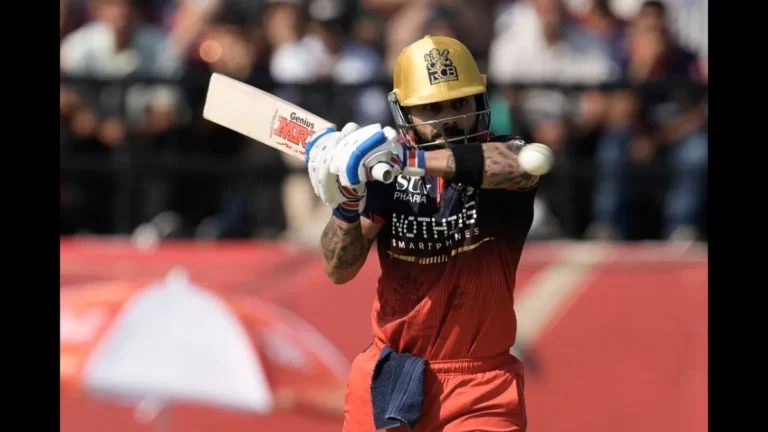
IPL 2026: Government Urged to Suspend Tournament Amidst Escalating Global Tensions
The Controversy Surrounding IPL 2026
As the Indian Premier League (IPL) 2026 season enters its critical final phase, the tournament has become the subject of an unexpected political debate. Calls for the immediate suspension of the league have surfaced, driven by concerns over global geopolitical tensions and their potential impact on India’s domestic fuel stability. The tournament, which commenced on March 28 under the backdrop of escalating conflict between Iran and the USA, has remained largely uninterrupted for two months. However, the current discourse suggests that the future of the league is being viewed through a much wider lens than just sporting excellence.
The Call for Suspension
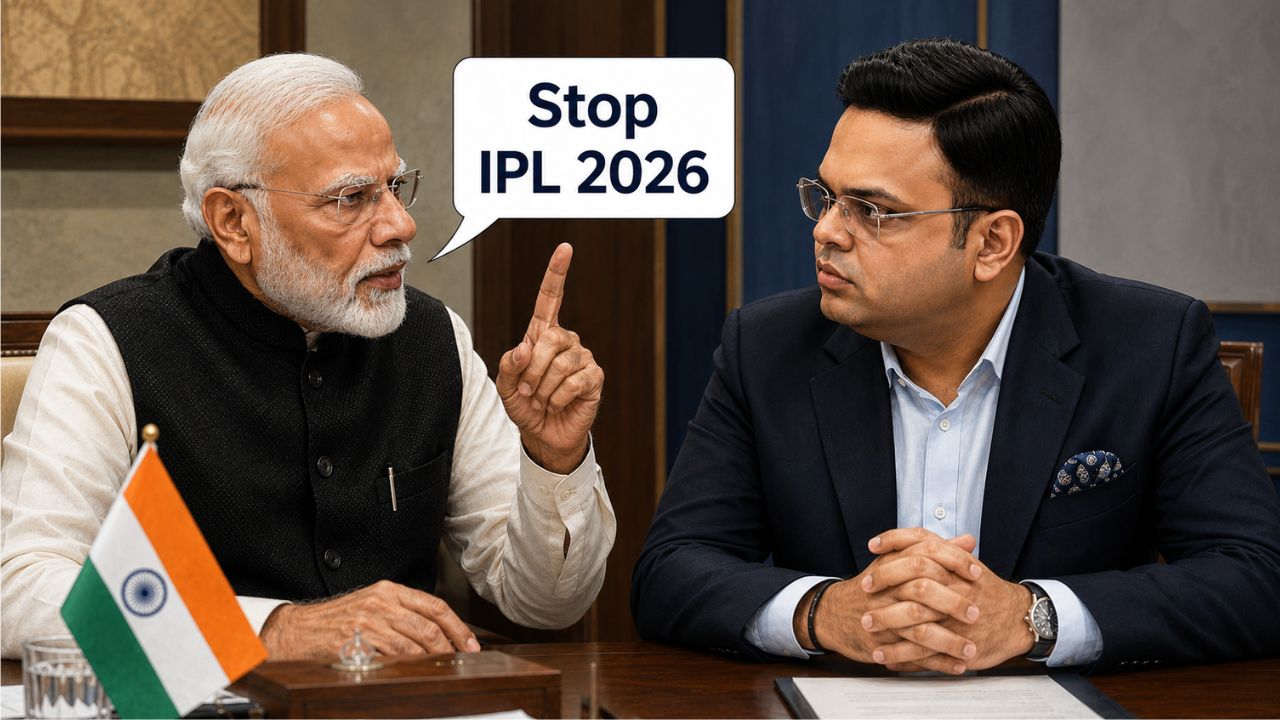
The demand for a halt to the IPL originated from opposition quarters, specifically from former Chief Minister and Congress leader Bhupesh Baghel. In a public appeal addressed to Prime Minister Narendra Modi, Baghel urged the government to intervene and bring an immediate end to the ongoing season. The primary argument presented by the Congress leader centers on the escalating tensions between the US and Iran and the subsequent threat of a fuel crisis.
Baghel’s rationale for this drastic measure includes several key points:
- Fuel Conservation: Reducing the massive logistics and travel requirements associated with moving 10 teams across various Indian cities.
- Economic Regulation: Limiting foreign currency outflows related to payments for international cricketers.
- Social Impact: Curbing the widespread betting activity that often accompanies the tournament.
By requesting a shutdown, proponents of this move argue that the government would be sending a strong message regarding national austerity during a time of global instability.
The Broader Context of Fuel Sensitivity
The urgency behind this request is rooted in the current economic climate. Prime Minister Narendra Modi has recently advised Indian citizens to exercise caution and prudence regarding fuel consumption. In a move toward leading by example, the Prime Minister has reportedly reduced the size of his own security convoy, reflecting a broader governmental push for sustainable living. With fuel prices recently seeing an increase of 3 rupees, the visibility of the IPL’s massive logistical footprint—which requires transporting thousands of personnel and equipment between venues—has naturally become a point of contention.
Is a Suspension Likely?
Despite the rhetoric, the call for suspension remains largely symbolic. To date, there has been no official communication from the Indian government, the Board of Control for Cricket in India (BCCI), or IPL authorities indicating that the tournament will be cut short. Furthermore, with the league stage concluded and the tournament only two weeks away from its conclusion, stakeholders argue that a mid-stream cancellation would result in massive financial losses for broadcasters, sponsors, and the BCCI alike. As of the latest reports, the ruling BJP has not issued a formal response to the claims made by the opposition.
Road to the Final: Venue Updates
While political debates swirl, the administrative machinery for the final stages of IPL 2026 remains in motion. The championship match is scheduled for May 31, and the venue has been confirmed for the Narendra Modi Stadium in Ahmedabad.
The journey to the final has seen some drama off the field as well. Originally, the M. Chinnaswamy Stadium in Bengaluru was slated to host the final, given that Royal Challengers Bengaluru (RCB) entered the season as the defending champions. However, the BCCI made the decision to strip Bengaluru of its hosting rights following reports that the Karnataka State Cricket Association (KSCA) had distributed a significant volume of complimentary tickets to local MLAs, a move deemed to be in violation of IPL and BCCI integrity policies.
Knockout Schedule
With the dust settled on the hosting controversy, the remainder of the tournament is set to play out as follows:
- Qualifier 1: Scheduled to be held in Dharamsala on May 26.
- Eliminator: Taking place at Mullanpur, Chandigarh, on May 27.
- Qualifier 2: Also hosted by Mullanpur, Chandigarh, on May 29.
As the teams prepare for these high-stakes encounters, the tension remains palpable, both in the legislative chambers and on the cricket pitch. Whether the tournament will finish without further political interference remains to be seen, but for now, the path to the trophy in Ahmedabad remains the primary focus for the remaining franchises.