“No other business would have delivered a 20-fold return” – Arun Dhumal makes ma – IPL Media Rights: Arun Dhumal Highlights 20-Fold Financial Growth
A Record-Breaking Financial Trajectory
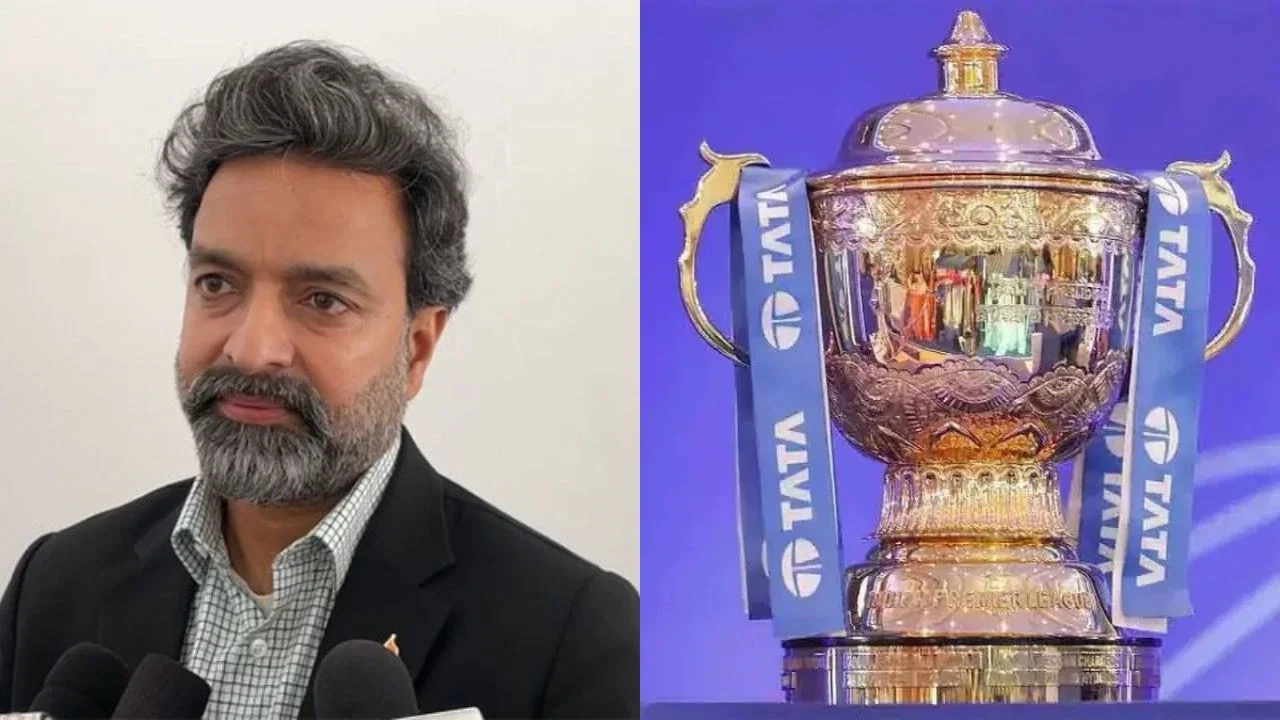
The Indian Premier League (IPL) has solidified its position as the premier financial powerhouse in the world of cricket. Arun Dhumal, Chairman of the IPL Governing Council, recently shed light on the league’s meteoric rise, highlighting a 20-fold return on investment that he believes is unprecedented in the history of global sports properties. Since its inception, the tournament has evolved from a bold experiment into a global behemoth, driven by massive fan support, competitive excellence, and staggering media rights valuations.
The Evolution of Media Rights
The financial journey of the IPL is best illustrated by its media rights cycles. Dhumal pointed out the clear progression of value:
- 2008-2017: The inaugural ten-year cycle fetched approximately Rs 8,200 crore.
- 2018-2022: The value surged significantly, with the five-year cycle reaching Rs 16,347 crore.
- 2023-2027: The current cycle has reached a landmark valuation of Rs 48,390 crore.
The strategic decision to separate television and digital rights for the current cycle was a game-changer, allowing the Board of Control for Cricket in India (BCCI) to maximize returns by leveraging both Disney Star for TV and Viacom18 for digital streaming. This diversification has played a pivotal role in pushing the league’s valuation to record-shattering heights.
Why the IPL Stands Alone
Dhumal emphasized that when comparing the IPL to established international leagues like the National Football League (NFL) in the United States, the IPL’s growth curve is exceptionally steep. He argued that while other leagues took decades of gradual development to reach their current status, the IPL has achieved transformative growth in less than two decades.
“There is no other property, especially a sports property, that has delivered this kind of return in such a short span,” Dhumal noted. “No other business would have delivered a 20-fold return in a period of around 18 years.”
He attributes this success to a unique convergence of factors: India’s deep-rooted passion for cricket—which functions almost as a national religion—and the high-stakes, competitive nature of the matches. The format ensures that nearly every ball becomes a pivotal event within a 3.5-hour window, keeping viewers glued to their screens.
Building a Talent Reservoir
Beyond the spreadsheets and broadcast deals, Dhumal highlighted the IPL’s profound impact on the Indian cricket ecosystem. The league has served as a massive incubator for talent, bridging the gap between domestic potential and international readiness.
By providing a high-pressure platform, the IPL has enabled India to develop a bench strength that is the envy of the cricket world. Today, the depth of talent is such that the national selectors can field multiple competitive squads simultaneously across various bilateral series without compromising quality. This depth is a direct consequence of the opportunities provided by the IPL franchise model over the last 19 years. Dhumal was quick to credit the franchise partners, whose investment and dedication have been instrumental in this talent development pipeline.
Looking Toward the Future
Looking ahead, Dhumal remains bullish about the league’s commercial trajectory. Recent corporate activities, including stake considerations by major franchises like the Rajasthan Royals and Royal Challengers Bengaluru, suggest that the market’s appetite for IPL equity remains incredibly strong. With a proven track record of engagement and a fan base that continues to grow, the Governing Council is confident that the next media rights cycle will command even more substantial value.
Ultimately, the IPL has transcended being a mere sporting event to become a central pillar of India’s entertainment economy. As it continues to innovate and capture the global imagination, the league remains in a league of its own, setting benchmarks that other sports organizations can only strive to emulate.