CSA Faces Backlash Over Limited Public Access to Newlands New Year’s Test

The Newlands Ticket Squeeze: A Deep Dive into CSA’s Allocation Strategy
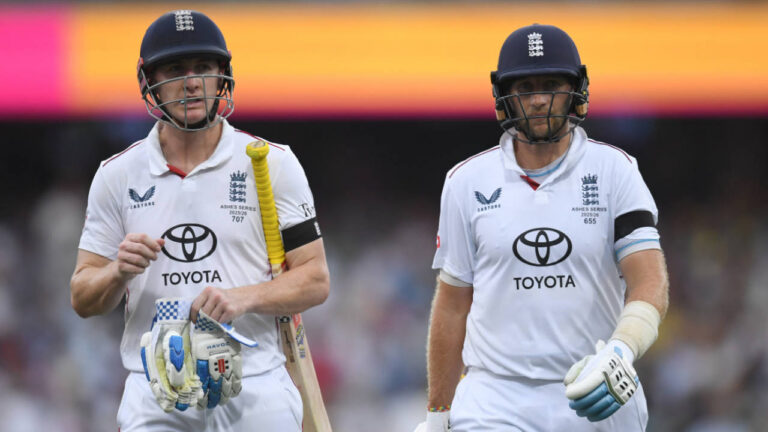
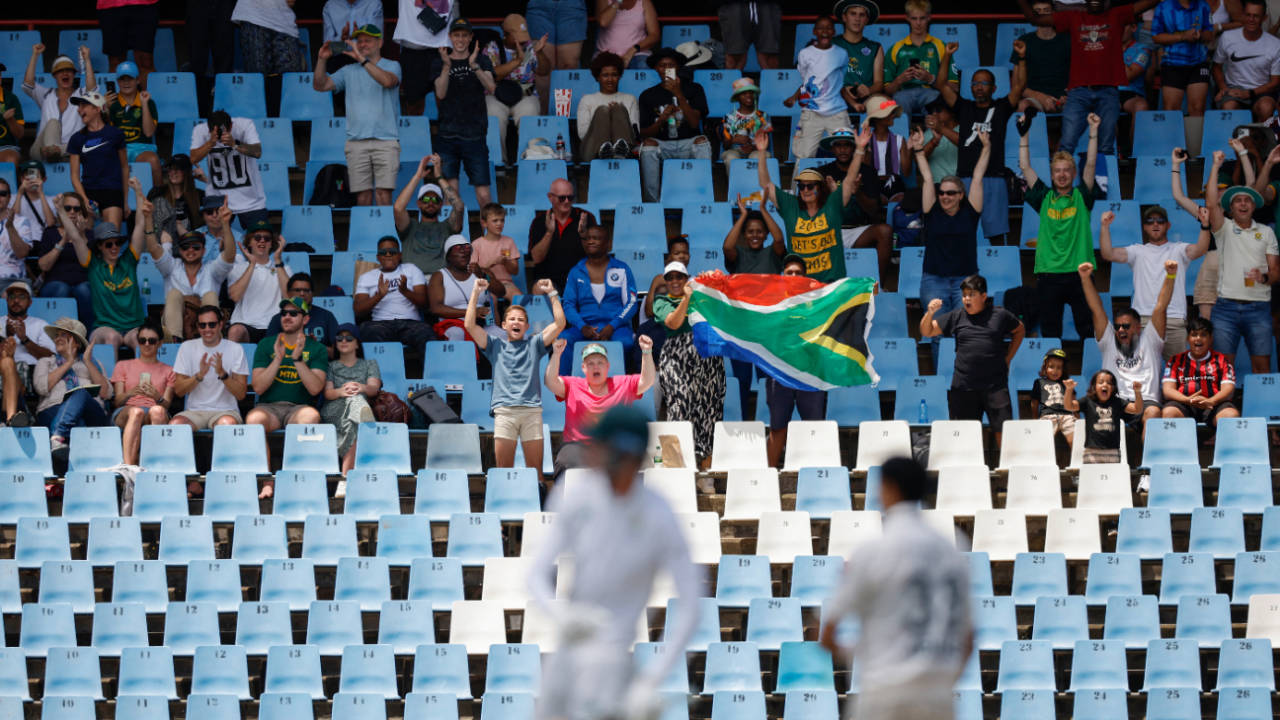
The anticipation surrounding the upcoming New Year’s Test between South Africa and England at the historic Newlands Cricket Ground is reaching fever pitch. However, that excitement has rapidly curdled into frustration for many local supporters. Cricket South Africa (CSA) recently released a limited batch of tickets to the general public, only for them to be snapped up within ten minutes on Monday morning. With less than 1,600 tickets available per day, the realization has dawned on the South African public that they may find themselves in the minority at their own marquee home fixture.
Where Did the Tickets Go?
The core of the issue lies in the complex distribution network orchestrated by CSA. With the total capacity at Newlands reduced to 17,544 due to ongoing construction, the competition for seats is fiercer than ever. The breakdown of the stadium’s capacity reveals a startling trend toward commercial prioritization:
- 39% – International and domestic travel packages
- 19% – Complimentary tickets allocated to CSA and member sponsors, stakeholders, match officials, visiting and home teams, media, marketing, and service allocations
- 21% – General hospitality and member complimentary tickets
- 13% – Released to the public and unreserved seating
- 2% – Season ticket holders
- 3% – Restricted areas
- 1% – Wheelchair users and assistants
- 1% – Sight screen restricted seating
- 1% – Reserved backup allocations
As the data illustrates, the lion’s share of the stadium is tied up in pre-sold packages and institutional obligations, leaving only a fraction of the capacity for the ordinary fan who wishes to purchase a standard ticket.
A Strategic Move or a Missed Opportunity?
The decision to lean heavily into travel packages—a venture supported by the partnership between CSA and TourVest via ‘SA Cricket Travel’—appears to be a calculated financial maneuver. Given the current exchange rate and the historical tendency for English fans to travel in large numbers, the incentive for CSA to maximize revenue is clear. Sports business researchers, including Nqobile Ndlovu, have noted that while the move effectively excludes the domestic fan base, the commercial rationale is difficult to ignore, especially following a lean 2025-26 summer that saw limited incoming tours.
However, the local reaction has been overwhelmingly negative. Radio stations like CapeTalk have become a venting ground for supporters who feel alienated by their own board. The frustration is compounded by the fact that many South African cricket lovers were starved of red-ball action last summer. The prospect of watching the World Test Champions under the shadow of Table Mountain was a highlight for many, now seemingly out of reach.
Is the Test Actually Sold Out?
While the ‘sold out’ narrative has been pushed, the reality is slightly more nuanced. CSA has declared the first four days of the match at capacity, yet this figure relies on the assumption that all allocated hospitality and package tickets will be utilized. Of the 13% reserved for the public, only 9% were released this week. The remaining 4%, alongside any forfeited or unused tickets from the corporate and service allocations, are expected to be returned to the general pool closer to the match date.
Furthermore, adjustments regarding sight-screen seating—which are only finalized once the pitch preparation and match official requirements are confirmed—may yield additional seating availability. For the resilient fan, there remains a glimmer of hope that more tickets will surface in the days leading up to the January 3 start date.
The Broader Financial Context
It is important to acknowledge that CSA remains in a robust financial position, reporting a profit of R238 million last year. Yet, the pressure to maintain this momentum is significant. By prioritizing high-value tourists and hospitality spenders, CSA is securing immediate capital. Whether this approach yields long-term damage to the domestic brand and supporter loyalty remains a subject of intense debate. For now, the ‘Newlands Test’ serves as a microcosm of the ongoing struggle between traditional sporting accessibility and the modern necessity of maximizing commercial return in professional cricket.