CSK Served Verbal Notice Over MS Dhoni Miscommunication in IPL 2026
The Dhoni Silence That Spoke Volumes
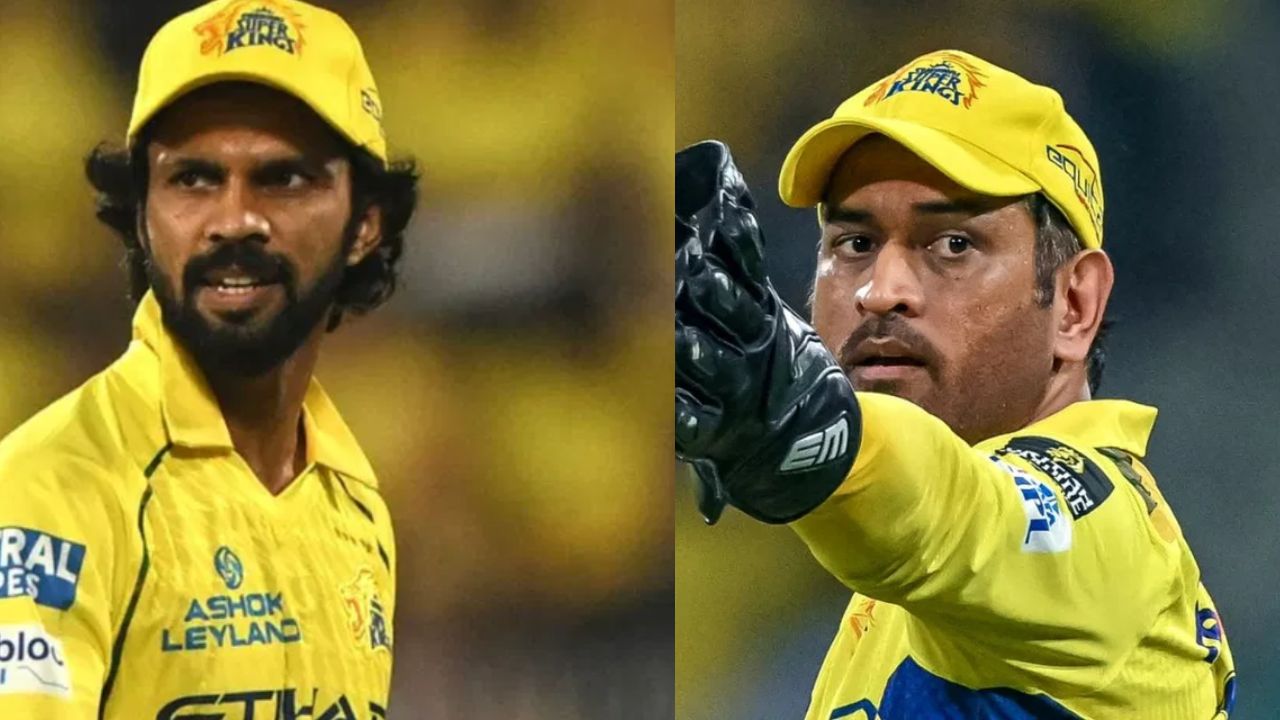
The 2026 Indian Premier League season will be remembered not for a trophy lift, but for a captain who never took the field. MS Dhoni, the iconic leader of Chennai Super Kings, sat out the entire IPL season due to injury — the first time in his storied career. But what followed was even more jarring: a trail of ambiguity that left fans confused and critics questioning CSK’s transparency.
A Season Without the Captain
Dhoni was initially sidelined with a calf strain, expected to return after two weeks. As the season progressed, whispers grew louder — he’s recovering, he’s training, he might feature in the playoffs. Yet, each week passed without a comeback. Then came the news of a thumb injury, further pushing any potential return out of reach.
Ultimately, Dhoni remained in Ranchi, rejoining only in spirit as CSK struggled on the field. When the team failed to qualify for the playoffs after an 89-run loss to Gujarat Titans, the absence of a seasoned leader like Dhoni was impossible to ignore.
Struggles on the Field
Without Dhoni’s leadership and finishing prowess, CSK floundered. Under Ruturaj Gaikwad’s captaincy, the five-time champions managed just six wins in 14 matches, totaling 12 points — not enough to keep their playoff hopes alive.
The second half of the season showed flickers of revival, particularly thanks to opener Sanju Samson’s form. But momentum came too late. For the third consecutive year, the Yellow Army watched the business end of the tournament from the sidelines.
False Hope or Poor Communication?
While the team’s performance drew concern, the bigger controversy erupted off the field. Former Indian cricketer and vocal commentator Krishnamachari Srikkanth launched a sharp critique of CSK’s handling of Dhoni’s status.
On his YouTube show after CSK’s final match, Srikkanth delivered what many fans felt: a long-overdue reckoning.
“Before the season started, they said he has got a leg injury and that they are hoping to have him soon. Fleming also sang the same song, Ruturaj Gaikwad also sang the same: He might be ready for the next match.”
He pointed to recurring promotional videos showing Dhoni training, suggesting readiness — only for the franchise to later clarify he was still recovering.
A Verbal Notice to the Franchise
Srikkanth didn’t hold back.
“Then they said he got injured in the thigh. Stop this deception. You should make it clear. If he is not going to play the entire season, fair enough. Fans would have been mentally prepared had you made that clear.”
His words struck a chord. For months, CSK’s messaging hovered between optimism and evasion. Supporters were kept in limbo, clinging to hope fueled by selective visuals and vague updates.
The criticism wasn’t just about Dhoni’s absence — it was about accountability. In an era where fan engagement is central to a franchise’s brand, transparency matters. Srikkanth argued that clarity, even if disappointing, would have been more respectful than prolonged ambiguity.
What’s Next for CSK?
As questions mount over team direction and communication strategy, CSK faces a pivotal off-season. Ruturaj Gaikwad’s leadership will come under scrutiny. So will Stephen Fleming’s long-standing coaching tenure.
And while Dhoni’s future remains uncertain, one thing is clear: the franchise can no longer afford mixed messages. Fans don’t just want victories — they want honesty.
The legend may not have played a single game in IPL 2026, but his absence has left a lasting impact — not just on the scoreboard, but on how franchises manage expectations in the court of public opinion.