Optimizing for a Global Audience
In a significant adjustment to the summer cricket calendar, the England and Wales Cricket Board (ECB) has officially confirmed that the start times for the upcoming floodlit T20 International series against India have been brought forward. This decision, aimed primarily at boosting global broadcast engagement, reflects the growing influence of the Indian market on international cricket finances.
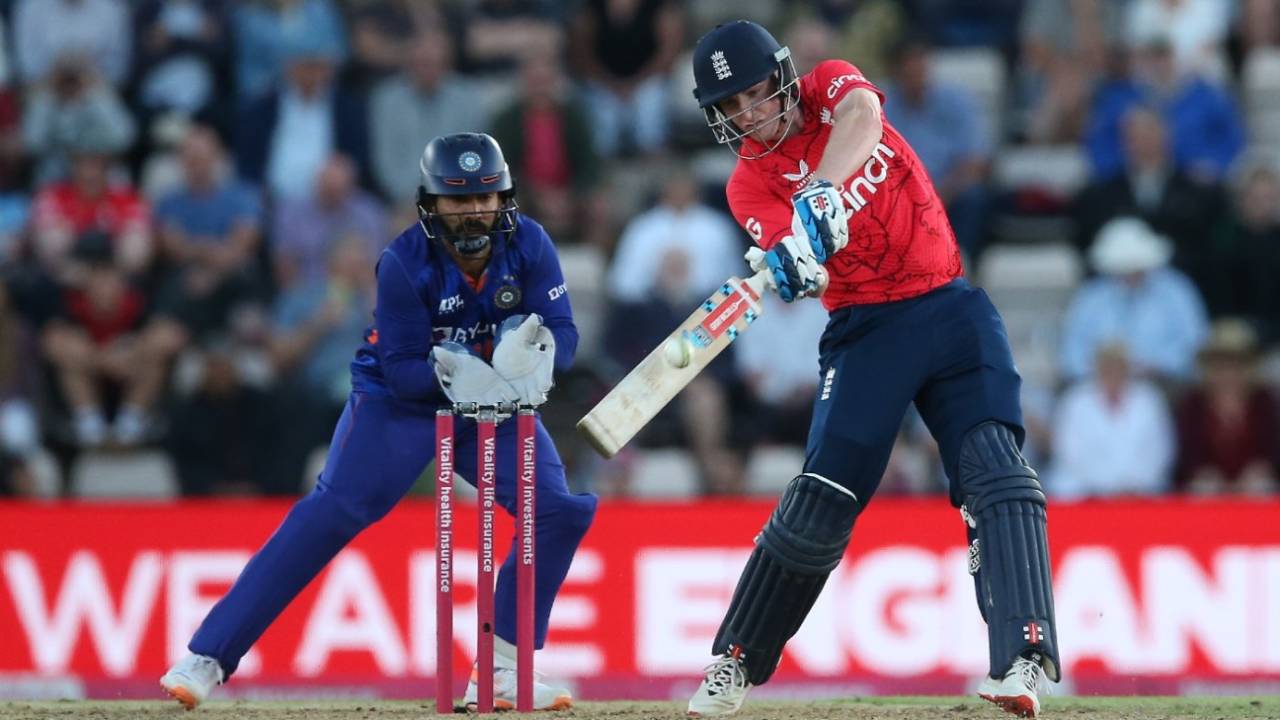
The Indian men’s team is scheduled to tour England for an eight-game white-ball series running from July 1 to July 19, consisting of five T20Is and three ODIs. While the initial schedule announced last year penciled in a 6.30pm local start—equivalent to 11pm in India—the revised schedule will see these matches begin at 5.30pm local time, or 10pm IST. This adjustment is a direct result of collaborative discussions between the ECB, various host venues, and key broadcast partners, including Sky Sports in the UK and the Sony Sports Network in India.
The Economics of International Cricket
The decision to tweak these timings highlights a critical reality in modern cricket: the heavy reliance of national boards on high-value broadcast rights. The ECB’s latest financial report explicitly touches upon this, noting that English cricket’s revenue streams are inherently cyclical, fluctuating significantly based on the opposition. Matches against India, which draw astronomical viewership numbers, are vital for the ECB’s fiscal health.
Interestingly, while the board anticipates a profit for the current year largely due to the revenue generated by the Indian tour, it has projected a potential loss for 2027, even with an Ashes series against Australia on the cards. This underscores why the ECB is so keen to ensure that the Indian series reaches as many viewers as possible through optimized scheduling.
Ticket Demand and Environmental Conditions
Despite the changes in broadcast logistics, public interest in the series remains exceptionally high. Tickets for the tour, which were released late last year, have been moving rapidly. All three ODI matches are already sold out, and the five-match T20I series has seen similar enthusiasm, with only a few hundred tickets left available across the entire set of matches.
From a logistical standpoint, the shift to a 5.30pm start creates an interesting dynamic regarding daylight. Given that sunset in England during the height of the summer occurs well after 9pm, the floodlights will play a minimal role in these matches. Most of the cricket will be played in natural light, ensuring that all five games can be completed comfortably before the evening darkness sets in.
Squad Developments and Rising Stars
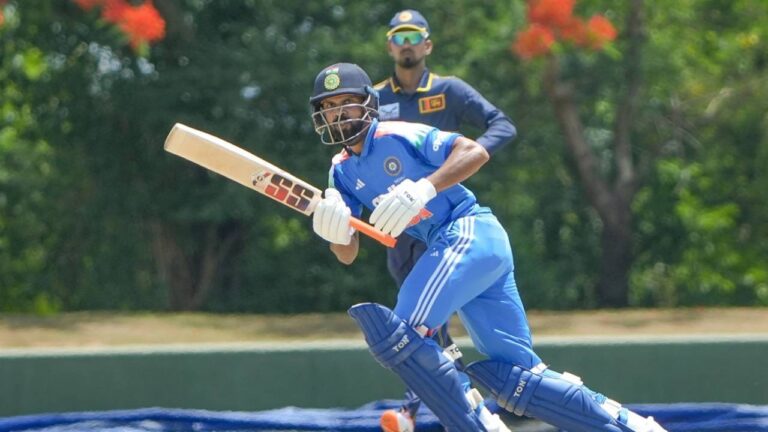
As the anticipation builds, India has announced a 16-man squad for the T20I tour, which also includes a two-match stopover in Ireland. A notable change in the leadership sees Shreyas Iyer taking over the captaincy duties from Suryakumar Yadav. Furthermore, the squad selection has generated considerable buzz with the inclusion of 15-year-old batting prodigy Vaibhav Sooryavanshi, marking his first call-up to the senior side.
Before the tour hits England, India will face Ireland in Belfast on June 26 and 28. Cricket Ireland has reported a significant surge in interest for these fixtures. Both matches at the Civil Service ground in Stormont are already sold out, with a capacity crowd of 4,500 eager to potentially witness the debut of young Sooryavanshi. As the cricket world turns its attention toward these upcoming clashes, the ECB’s focus remains clear: delivering a premium product to the largest possible global audience.
A Strategic Future
The adjustments made to the T20I start times serve as a reminder that cricket is no longer just a local sport but a global entertainment product. By prioritizing the needs of the Indian broadcast market, the ECB is not only bolstering its own financial stability but also acknowledging the immense, passionate fanbase that follows the Indian team across the globe. As cricket continues to evolve, expect scheduling decisions to become increasingly data-driven, ensuring that the sport thrives in an ever-competitive media landscape.