Jansen and de Lange Lead Gloucestershire to Stunning Victory Over Warwickshire

A Bowlers’ Paradise at Bristol
In a contest defined by dominance from the bowlers, Gloucestershire managed to overcome a disappointing batting performance to secure a comfortable 47-run victory over Warwickshire. Despite being bowled out for just 121 in 16.1 overs—a total that initially appeared far too low for the conditions—the home side produced a fiery bowling display that left the Warwickshire lineup in tatters.
The Gloucestershire Innings: A Struggle for Substance
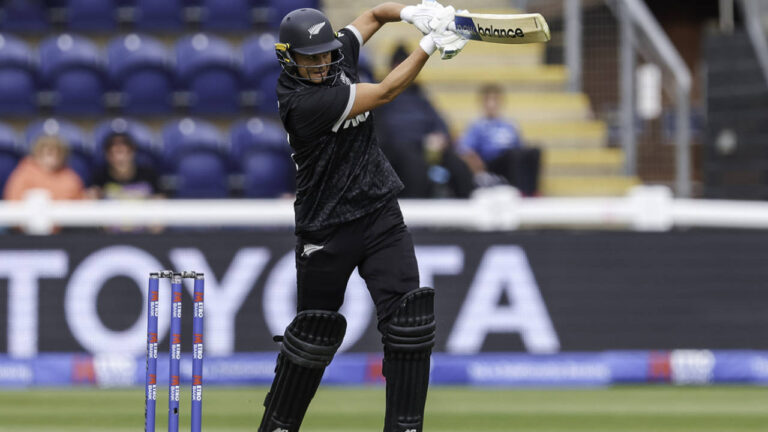
Asked to bat first, the Gloucestershire innings was characterized by a series of promising starts that failed to materialize into a match-defining total. Seven of the ten dismissals came via catches, illustrating both the challenging nature of the surface and a degree of recklessness from the home side. Warwickshire’s discipline was evident throughout, with the bowling attack conceding only two extras—both leg byes—during the entire innings.
Veterans Oliver Hannon-Dalby and Chris Woakes set the tone with early breakthroughs, but it was the spin duo of Tazeem Ali and Usman Tariq who ultimately crippled the Gloucestershire middle order. Ali, in particular, was exceptional, claiming figures of 4 for 25, while Tariq showcased his unique stop-start bowling style to great effect, contributing two wickets. The result was a collective failure to capitalize, with Ben Charlesworth’s 25 being the highest score in a lineup where six batters managed scores between 10 and 25.
Warwickshire’s Collapse Under Pressure
At 81 for 3 after 10 overs, the game hung in the balance. However, the introduction of spin sparked a collapse that left the visitors shell-shocked. When it came time for the Warwickshire reply, the expectation was a measured chase to victory. Instead, the home crowd was treated to a masterclass in aggressive fast bowling.
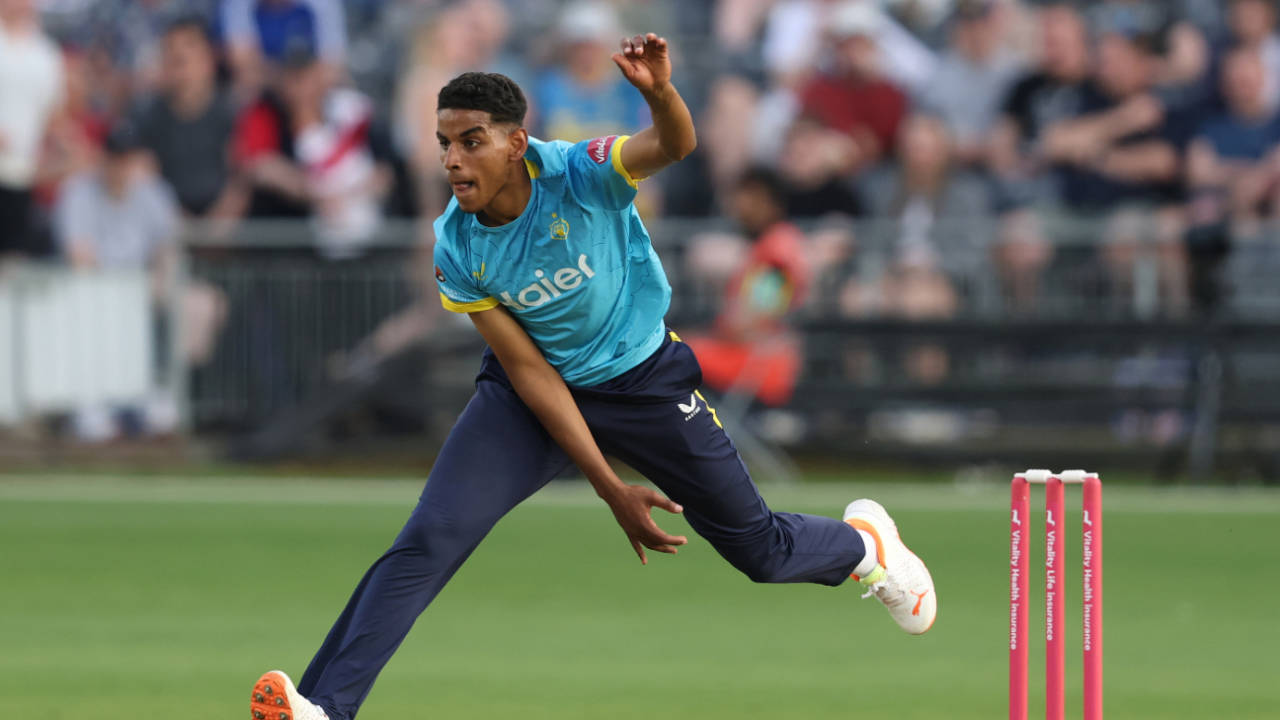
Duan Jansen, filling the void left by the injured David Payne, proved to be the Player of the Match. His left-arm pace, combined with the raw power of fellow South African Marchant de Lange, dismantled the Warwickshire lineup. The duo combined for 6 wickets for 34 runs in just seven overs, ensuring the pressure remained constant from both ends. Warwickshire’s batters struggled to find their rhythm, with Vaansh Jani’s 21 standing as the only notable contribution. In total, only two batters reached double figures, turning what could have been a routine chase into a complete rout.
A Dominant Finish
The final nails in the coffin were delivered by Craig Miles, who cleaned up the tail with three cheap wickets. The entire game concluded with barely 30 overs of cricket played. It was a peculiar day at the office, as the surface did not appear to warrant the dramatic flood of wickets that unfolded. For Warwickshire, the defeat serves as a frustrating blow as they continue to hunt for a spot in the later stages of the competition, while for Gloucestershire, it was a testament to the resilience of their bowling unit.
Match Summary
- Gloucestershire: 121 all out (16.1 overs)
- Warwickshire: 74 all out
- Player of the Match: Duan Jansen (4-25)
- Key Performers: Tazeem Ali (4-25), Marchant de Lange (Bowling excellence), Craig Miles (3 wickets)
This match will be remembered not for the volume of runs, but for the raw pace and tactical spin that dictated proceedings at Bristol. It serves as a stark reminder that in T20 cricket, as long as you have the bowlers to defend it, no total is truly beyond reach.