Harmanpreet Kaur achieves rare milestone vs England; join hands with Kohli, Rohi

A New Chapter in Cricket History
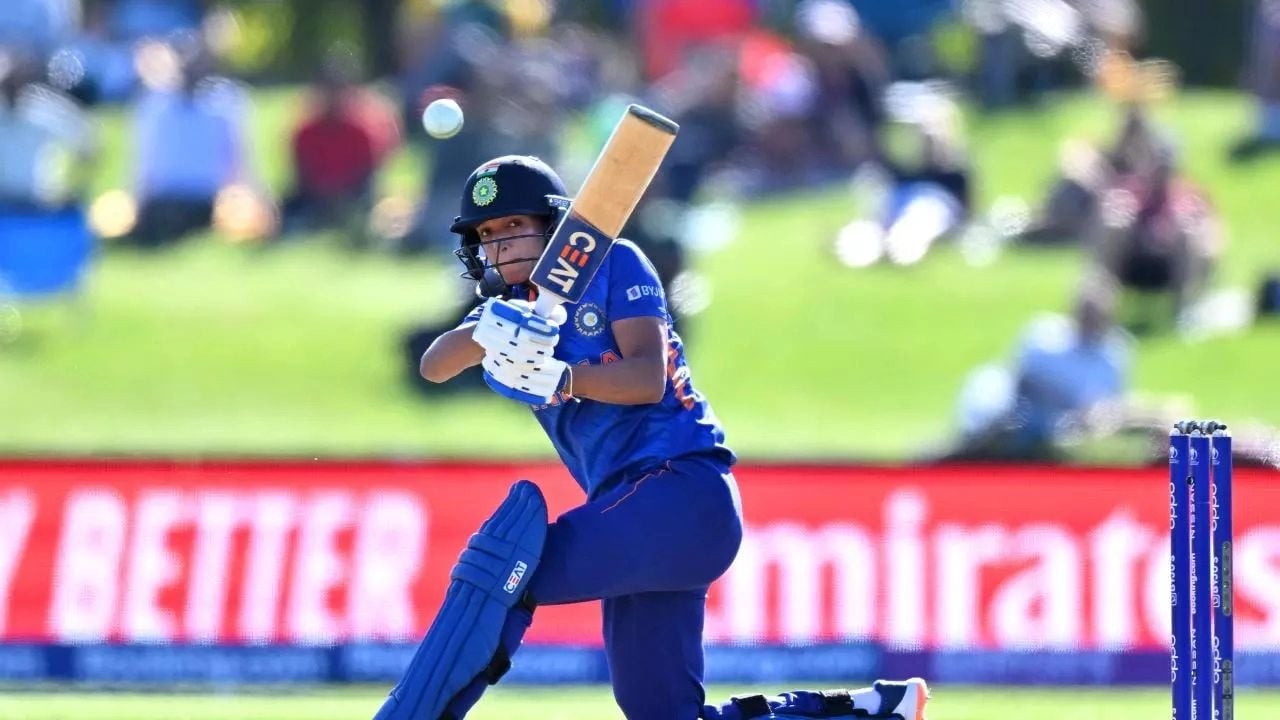
The landscape of Indian cricket witnessed another historic moment during the ongoing tour of England. Indian captain Harmanpreet Kaur, a name synonymous with resilience and power-hitting, etched her name deeper into the record books. With a calculated double during the 15th over of India’s chase against England at Bristol, the 37-year-old batting stalwart surpassed the elusive 4000-run mark in Women’s T20 International (WT20I) cricket.
Joining the Elite Ranks
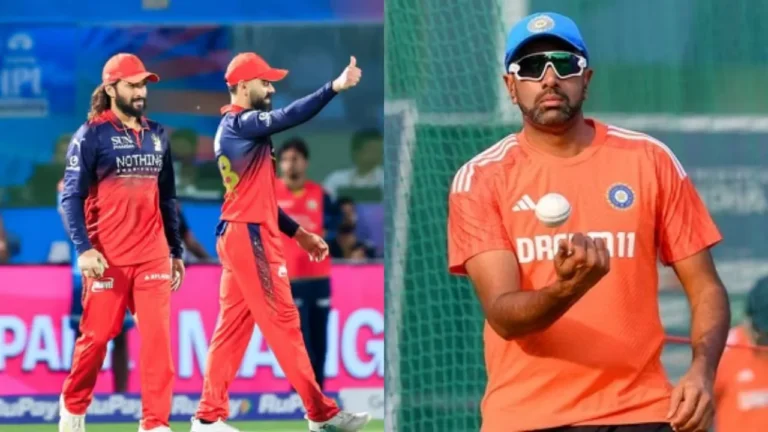
By crossing this threshold, Harmanpreet Kaur achieves rare milestone vs England; join hands with Kohli, Rohi, and Smriti Mandhana as the only Indians to have attained this feat in T20Is. The achievement places her in an elite club of batters who have dominated the format over the years. While Virat Kohli was the pioneer for Indian men in reaching this mark, followed by the aggressive Rohit Sharma, the women’s side has seen Smriti Mandhana lead the charge, with Harmanpreet now firmly cementing her legacy alongside them.
The Significance of the Milestone
Harmanpreet Kaur is not just a batter; she is the backbone of the Indian women’s team. As the most-capped player in the history of the format with 196* appearances, her longevity and ability to perform under pressure remain unparalleled. Her journey to 4001 runs—and subsequently pushing past it—reflects years of dedicated service to the national team. This milestone arrives at a critical juncture, as India continues its rigorous preparations for the upcoming Women’s T20 World Cup, following their historic ICC ODI World Cup triumph in 2025.
Contextualizing the Record
The global stage for women’s T20I cricket has evolved rapidly. New Zealand’s legendary Suzie Bates was the first to cross the 4000-run barrier and remains the format’s leading run-getter with 4720 runs. Within the Indian setup, Smriti Mandhana has been in prolific form, having amassed 4325 runs in 165 matches. Harmanpreet’s entry into this club highlights the strength of Indian batting, proving that the team possesses world-class talent capable of competing with the very best globally.
Match Analysis: The Bristol Encounter
Despite the personal glory achieved by the skipper, the match at Bristol presented a different narrative. Tasked with chasing a competitive target of 169, India started with optimism. The opening pair of Smriti Mandhana and Shefali Verma provided a stable foundation, though the middle order struggled to maintain the required run rate against a disciplined English bowling attack. Harmanpreet Kaur played a gritty innings, but the task proved too steep as wickets tumbled in the death overs. Ultimately, India fell short by 26 runs, a result that underscores the need for greater consistency in the lower-middle order ahead of major tournament play.
Looking Ahead
As the team looks to balance individual milestones with collective success, the focus remains on refining the death-over batting strategy. The loss in the second T20I serves as a reality check for the Women in Blue. However, the milestone achieved by their captain provides a morale boost. With the T20 World Cup on the horizon, the team management will likely look to build on the positive contributions of senior players like Kaur and Mandhana. For fans of the sport, witnessing such records being broken serves as a reminder of the growth and professionalization of the women’s game, proving that the hunger for runs and the competitive spirit are at an all-time high in the Indian dressing room.