Hemang Badani reveals biggest reason behind Delhi Capitals’ IPL 2026 disaster


A Season of What-Ifs for the Delhi Capitals
The Delhi Capitals’ journey in the 2026 Indian Premier League season concluded in a manner all too familiar for their fanbase: another year, another early exit, and the continuation of a long-standing trophy drought. Despite showing flashes of brilliance throughout the tournament, the team led by Axar Patel ultimately finished in sixth place, securing seven wins and suffering seven defeats across their 14 league matches. As the dust settles on another missed opportunity, head coach Hemang Badani has offered a candid assessment of why the team could not cross the finish line.
The Core Issues Behind the Failure
In the aftermath of their final match against the Kolkata Knight Riders—a game the Capitals won by 40 runs—Hemang Badani reveals biggest reason behind Delhi Capitals’ IPL 2026 disaster, pointing directly toward the team’s inability to manage pressure and capitalize on pivotal moments. Throughout the season, the Capitals found themselves in winning positions on multiple occasions, only to let the game slip through their fingers due to unforced errors and a lack of composure in crunch situations.
Badani’s assessment reflects a broader trend of inconsistency that plagued the franchise. While the talent was undoubtedly present, the execution failed to match the ambition required to reach the top four. The failure was not a result of a single catastrophic event, but rather a combination of recurring issues that hampered their momentum from the opening rounds to the final whistle.
Key Matches That Slipped Away
The frustration for the Delhi faithful was fueled by several heart-wrenching encounters where the result could have easily swung in their favor. Two specific games stand out as microcosms of the team’s broader struggles:
- The Gujarat Titans Thriller: A devastating one-run defeat at home that effectively deflated the team’s confidence early on.
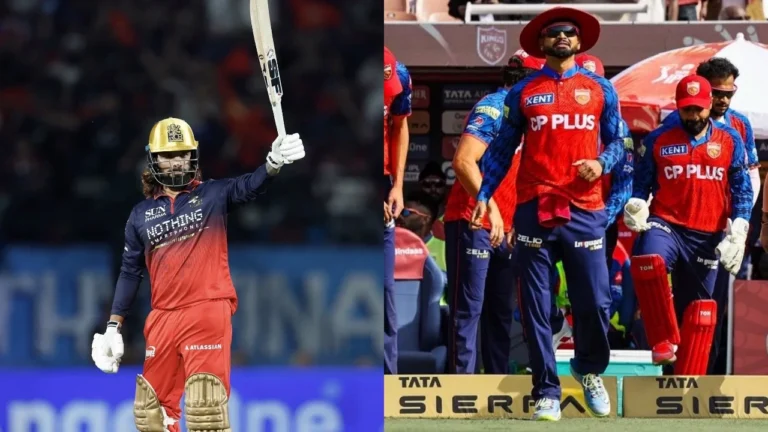
- The Punjab Kings Collapse: Despite posting a commanding total of 264 runs at the Arun Jaitley Stadium, the bowling unit proved unable to defend the score, marking one of the most disappointing defensive displays of the season.
Beyond these specific heartbreaks, the team’s fielding standards were notably poor. Crucial dropped catches in high-stakes matches against the Chennai Super Kings and Sunrisers Hyderabad prevented the bowlers from exerting the necessary pressure to stifle the opposition, proving to be the difference between victory and defeat in several instances.
Statistical Shortcomings and Strategic Struggles
When looking at the hard numbers, the reasons for the collapse become even clearer. The batting unit, while explosive, lacked the stability needed to anchor an innings. Badani highlighted the tendency of the middle order to crumble, often losing wickets in clusters. This inability to build partnerships meant that the Capitals were frequently forced to play catch-up, putting immense pressure on the tail-enders.
Equally concerning was the performance of the bowling attack. The team managed to claim only 64 wickets across 14 matches, ranking them among the bottom-tier bowling sides in the tournament. Badani noted, “If you see the stats with sides picking wickets, I think we are right at the bottom. I think a culmination of all of it is the reason why we are at 14 points and we could have been a lot better than that.”
Looking Ahead: No Excuses for the Coaching Staff
Despite the challenges, Badani explicitly refused to use the absence of Mitchell Starc during the early phase of the tournament as a scapegoat. He maintained that the squad possessed sufficient depth and quality to compete for a title regardless of any single player’s availability. This accountability is refreshing in an era of constant excuses, as the coach insists that it was the failure to seize the “small margins” that ultimately dictated the team’s fate.
As the Delhi Capitals look toward the next cycle, the focus will undoubtedly shift to addressing these fundamental flaws. Whether it involves a tactical shift in how they handle middle-overs or a renewed emphasis on fielding drills, the message from the leadership is clear: the team was close, but close is not enough. To break the cycle of disappointment, the Capitals must learn to convert their potential into consistent, match-winning performances when the stakes are at their highest.