ICC Proposes Major Rule Change: On-Field Umpires to Address Illegal Bowling Actions Instantly
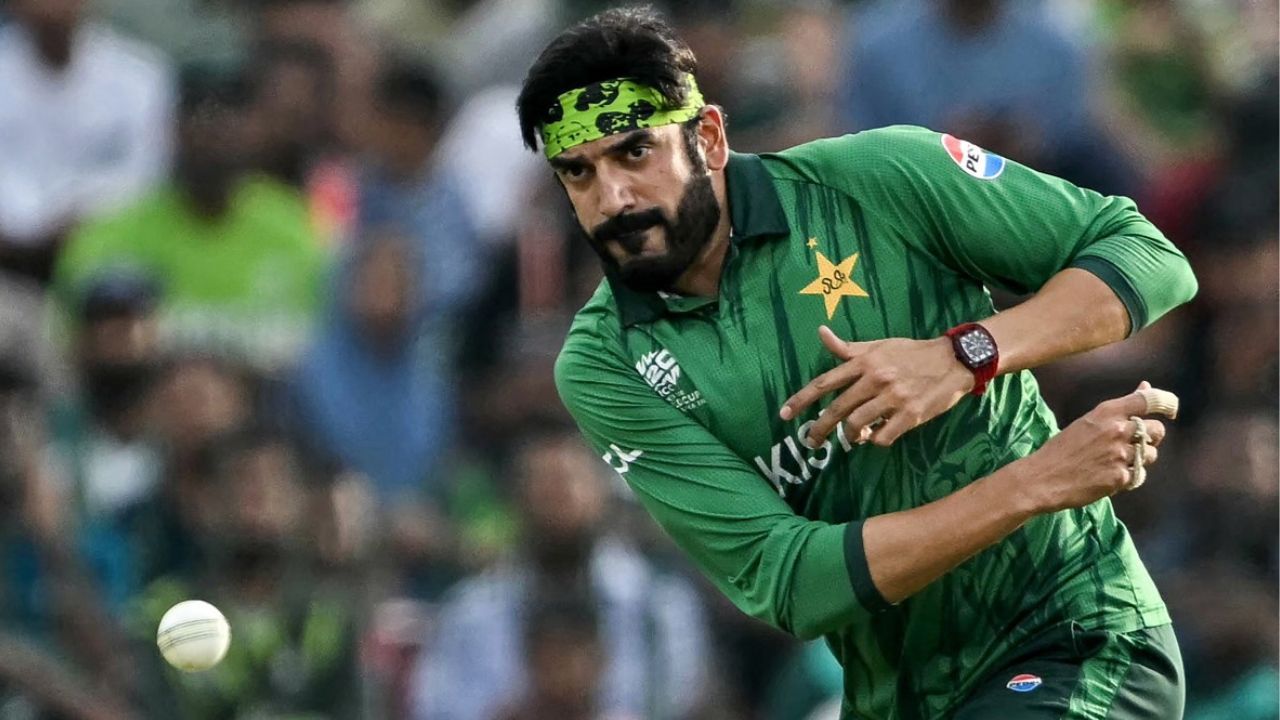
ICC Set to Revolutionize Cricket with On-Field Action Against Illegal Bowling
In a groundbreaking development poised to reshape the landscape of international cricket, the International Cricket Council (ICC) has drafted a series of critical amendments to its existing rulebook. These proposed changes, spearheaded by the Jay Shah-led council, are scheduled for comprehensive discussion and approval at a pivotal meeting on May 30 in Ahmedabad. While numerous upgrades are on the agenda, one particular area has captured significant attention: the ICC’s intensified focus on the persistent issue of irregular bowling actions.
For years, the integrity of bowling actions has been a contentious subject, with several players frequently falling under the ICC’s scrutiny. The current system, however, has often been criticized for its cumbersome and reactive nature. Under the present regulations, on-field officials possess no immediate authority to address suspicious actions during a match. Instead, action is typically deferred until after a series concludes, with the ICC committee alone empowered to make rulings based on subsequent reviews. This delay has often led to frustration among players and fans, undermining the immediate fairness of ongoing contests.
Empowering On-Field Umpires with Real-Time Data
Recognizing the limitations of the existing framework, the ICC is now planning a radical overhaul. The proposed changes aim to equip on-field umpires with unprecedented authority, granting them the power to identify and potentially ban a player exhibiting an illegal bowling action during the actual flow of a match. This revolutionary step is expected to be facilitated by advanced technology.
Reports suggest that this initiative involves providing on-field umpires with access to sophisticated HawkEye data. This technology would enable real-time analysis of a bowler’s action, allowing officials to make informed decisions without the current procedural delays. While the precise mechanics of this process are still being finalized, the ICC’s intent is unequivocally clear: to implement a robust and immediate crackdown on bowlers with suspect actions, ensuring fair play and upholding the spirit of the game at every juncture.
Usman Tariq: A Recent Example of Bowling Action Scrutiny
The urgency behind these proposed rule changes can be vividly illustrated through recent incidents involving bowlers under public and professional scrutiny. One such player who has frequently made headlines for his unique bowling action is Pakistan spinner Usman Tariq.
Tariq’s action has drawn comments from several professional cricketers, highlighting the ongoing debate surrounding legitimate and illegitimate deliveries. A notable incident occurred during Australia’s tour of Pakistan, where Australian all-rounder Cameron Green openly accused Usman Tariq of ‘chucking.’ Green even gestured to the umpires, expressing his concerns about Tariq’s action. Although Green later apologized to Tariq, the event underscored the frustration and confusion that can arise when on-field officials lack immediate recourse.
Further compounding the discussion, during a PSL 2026 match, New Zealand’s Daryl Mitchell backed off from facing Tariq twice, openly signaling his dissatisfaction with the bowler’s action. Such instances, where players themselves express dissent on the field, strongly advocate for a system that allows for prompt resolution. With the proposed new rule, umpires would possess the necessary on-field powers to scrutinize Usman Tariq’s action, or any bowler’s action, in real-time, enabling them to make an immediate determination should they find a player guilty of a suspicious bowling action.
Understanding ICC’s Definition of an Illegal Bowling Action
It is crucial to note that despite the scrutiny, Usman Tariq has previously undergone official testing and cleared his bowling action at the ICC centre in Lahore, Pakistan, where he was deemed to have a clean action. This fact highlights the complexity of assessing bowling actions and the importance of scientific, objective measurement. Former ICC umpire Anil Chaudhary once offered an interpretation regarding deceptive actions, stating, “If the pause is obviously longer or shorter, or if he bowls without a pause, that will be considered deception. Everything seems OK up to now. I am not seeing anything wrong.” This perspective underscores the nuanced details that officials and experts consider.
The fundamental principle governing legal bowling actions, as stipulated by the ICC, is clear: an action is deemed illegal if the elbow bends more than 15 degrees. Specifically, the International Cricket Council’s playing conditions state: “An illegal bowling action is a bowling action where the player’s elbow extension exceeds 15 degrees between their arm reaching the horizontal and the ball being released.” This 15-degree threshold is a critical benchmark established to differentiate between a legitimate delivery and one that gains an unfair advantage through an illegal flex of the arm.
The proposed changes signify a proactive approach by the ICC to maintain the highest standards of fair play. By empowering umpires with real-time data and the authority to act decisively, the governing body aims to create a more equitable competitive environment. This move is expected to deter bowlers from developing illegal actions, while simultaneously providing immediate clarity and resolution during matches. Ultimately, these amendments are designed to safeguard the integrity of cricket, ensuring that the game remains a contest of skill, strategy, and fair competition.