India’s Strongest XI for Afghanistan ODI Series: Gambhir’s Tactical Dilemma

The Path to 2027: Setting the Stage
The anticipation is palpable as India gears up to face a formidable Afghanistan side in a three-game ODI series. This series serves as a critical junction for the Indian team, offering a vital testing ground for various player combinations ahead of the 2027 World Cup. Under the stewardship of the newly appointed management, the focus is firmly on building a side that is as resilient as it is talented.
With a blend of seasoned stalwarts like Rohit Sharma, Virat Kohli, and Hardik Pandya alongside promising domestic performers, the squad reflects a clear intent: to maintain dominance while fostering depth. As we analyze the potential lineups, it becomes clear that every selection is geared toward long-term strategic success.
The Opening Dilemma: Gill and the Rohit Factor
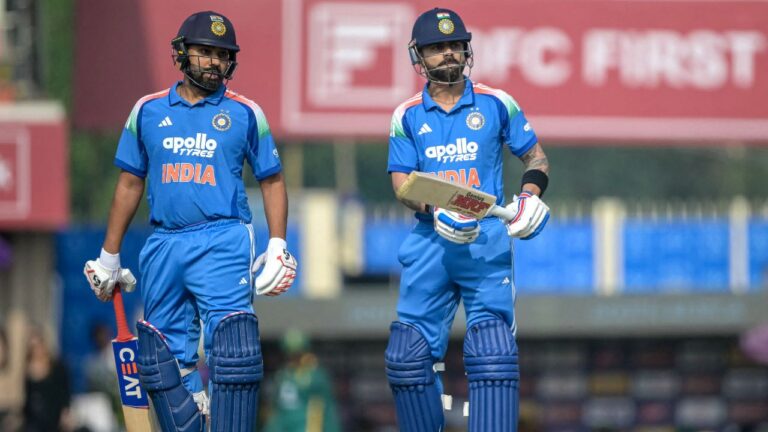
At the helm, captain Shubman Gill leads a top order that is arguably the most feared in world cricket. Alongside Gill, the veteran Rohit Sharma remains a cornerstone of the batting lineup. Their partnership has historically been a nightmare for opposition bowlers, providing stability and aggression in equal measure.
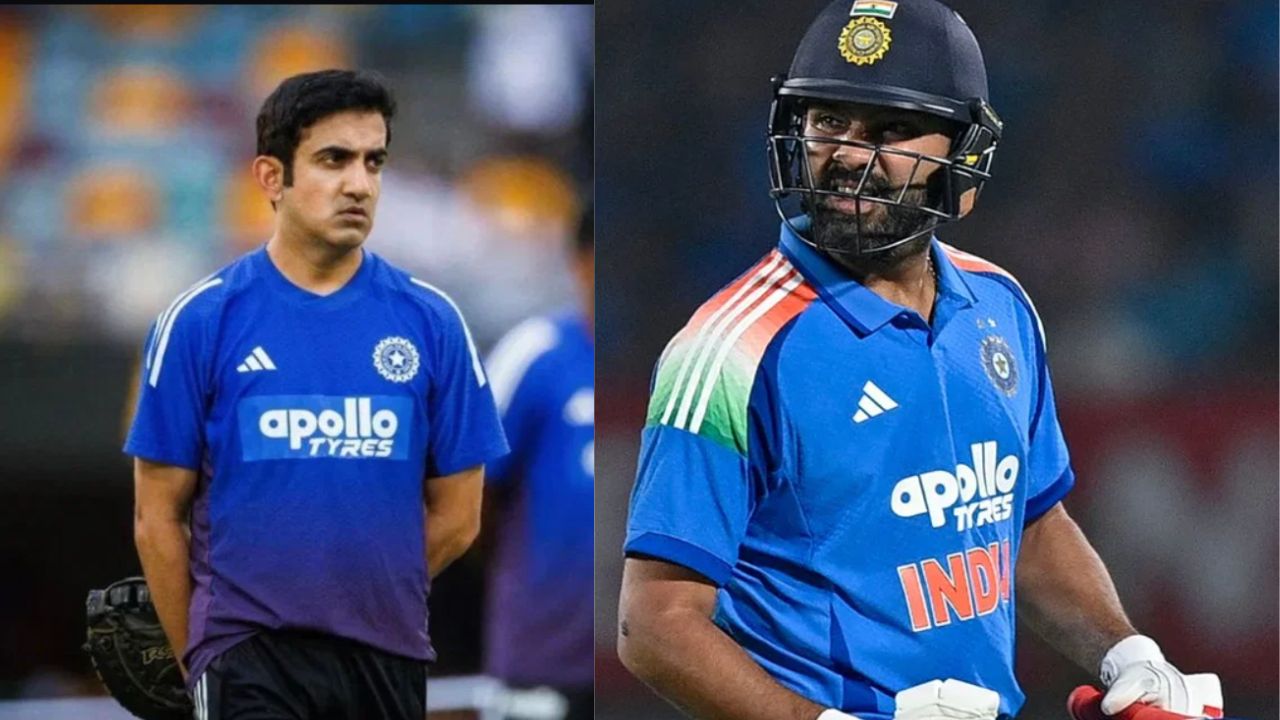
However, the shadow of fitness looms large. Following his hamstring injury sustained during the 2026 IPL, Rohit’s inclusion remains subject to final fitness assessments. Should he be ruled out, the dynamic Ishan Kishan stands ready to seize the opportunity. Nevertheless, when fully fit, there is simply no disputing Rohit’s position at the top of the order. Following them is Virat Kohli, who continues to evolve his game. His shift toward a more aggressive template at number three has proven vital, making him the anchor around which the middle order revolves.
Middle Order Stability and All-Rounder Depth
The middle order is designed for both endurance and explosive finishing. Shreyas Iyer has cemented his role at number four, providing a stable hand against spin and pace alike. KL Rahul continues to be the undisputed choice at number five, offering the versatility of a wicketkeeper-batsman who can stabilize a collapse or accelerate the run rate.
Hardik Pandya’s presence remains a tactical necessity. Despite ongoing concerns regarding his fitness, the management is keen to provide him with consistent game time to ensure he reaches peak form before the World Cup. Complementing him is Washington Sundar, who, under Gautam Gambhir’s guidance, is expected to step into a finishing role, adding depth to both the batting and the spin-bowling department.
Bowling Attack: Speed and Spin Dynamics
The bowling unit presents an intriguing mix of experience and raw pace. Kuldeep Yadav remains the primary threat in the middle overs, a role he has mastered over the years despite his occasional absences from domestic franchise squads. His ability to extract wickets on challenging pitches will be central to India’s strategy.
In the absence of Jasprit Bumrah, the pace attack relies on the experience of Arshdeep Singh and Prasidh Krishna. For the series opener, both are expected to feature prominently. A significant point of interest is the inclusion of Prince Yadav, whose impressive List-A average of 20.31 highlights his potential. Given the likelihood of flat, batting-friendly tracks, Prince’s raw pace and deceptive bounce could provide the ‘X-factor’ India requires to disrupt the Afghan lineup. His debut in this series could well be the catalyst for a new generation of Indian fast bowling.
Predicted Strongest XI
The following lineup represents the most balanced and potent combination for the upcoming series:
- Shubman Gill (Captain)
- Rohit Sharma
- Virat Kohli
- Shreyas Iyer
- KL Rahul (Wicketkeeper)
- Hardik Pandya
- Washington Sundar
- Kuldeep Yadav
- Arshdeep Singh
- Prince Yadav
- Prasidh Krishna
As the series approaches, fans and analysts alike will be watching closely to see how this lineup performs. The tactical decisions made by the management now will undoubtedly shape the narrative for India’s journey toward the next global tournament.