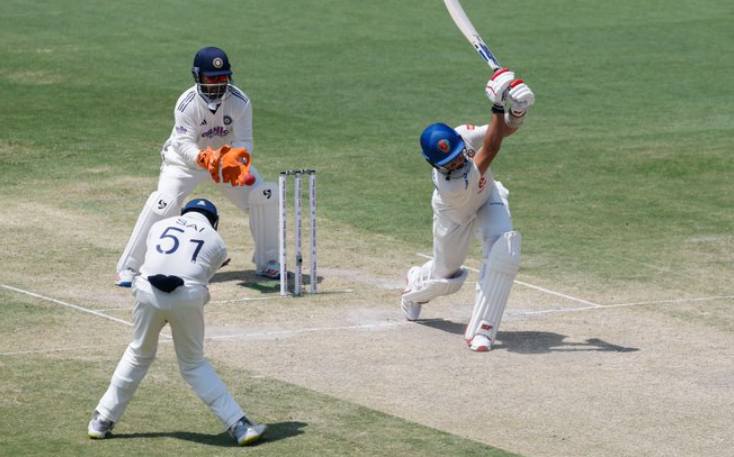
They looked like a bit more grass on the wicket: Josh Inglis on Mirpir pitch


A New Chapter for Mirpur Cricket
Mirpur has long been regarded as one of the most challenging venues for visiting teams, often characterized by spinning tracks that test the technical prowess of even the best batters. However, the venue is undergoing a noticeable transformation. Recent series against Pakistan and New Zealand have highlighted a shift in the pitch behavior, with surfaces offering more pace and movement than the traditional slow-turners of the past. Even during the Test series against Pakistan, observers noted a distinct grass covering, signaling a potential departure from the venue’s historical identity.
Australia’s Preparations and Leadership
The Australian squad has arrived in Bangladesh with a mix of anticipation and strategic focus. With several senior players unavailable due to rest or injury, wicketkeeper-batter Josh Inglis has been handed the reins to lead the side. This tour, consisting of three ODIs and three T20Is—all of which are to be held in Mirpur—presents a significant test for the relatively inexperienced touring party.
Addressing the media ahead of the opening ODI on June 9, Inglis maintained a composed and analytical approach. When pressed on the team’s preparation and how they intend to approach the potentially unpredictable conditions, the captain emphasized the importance of data-driven decision-making. “We’ll do our homework, we’ll have a look at the games that have been played here recently, and then we’ll make a judgement on the wicket later on today,” Inglis stated.
Analyzing the Surface Conditions
The curiosity surrounding the Mirpur pitch is justified, especially given the recent developments in the local conditions. When asked to compare the current state of the wicket to recent encounters, Inglis referenced the recent series against New Zealand as a primary reference point. He observed that the conditions were not as spin-dominant as many historically expect from this region.
“I think we’ve had a look at the New Zealand series that was here, right? They looked like a bit more grass on the wicket. The new ball tended to do a bit and it was a bit more seam-friendly rather than spin-heavy. We’ll take that into account, but we’re ready for anything,” Inglis remarked. This insight suggests that the Australian team is preparing for a multifaceted challenge, where seam bowling and early movement might play as significant a role as the traditional spin-bowling threat of the sub-continent.
Looking Ahead to the First ODI
As the countdown to the first ODI begins, the focus shifts to execution. For a young side led by a captain who is eager to prove his tactical mettle, adapting to the nuances of the Mirpur surface will be paramount. Whether the grass remains a factor or the pitch reverts to its more traditional spin-friendly nature, the Australian side appears prepared to remain flexible in their approach.
Cricket fans and analysts alike will be watching closely on June 9 to see how the pitch plays out and how Inglis manages his resources against a resilient Bangladeshi side. The shift in pitch conditions adds an layer of intrigue to what promises to be a competitive series, ensuring that the battles in the middle will be as much about adaptation as they are about raw talent.