Litton Das Reflects on Mirpur Pitches and ODI Batting Aspirations


The Impact of Mirpur on Batting Statistics
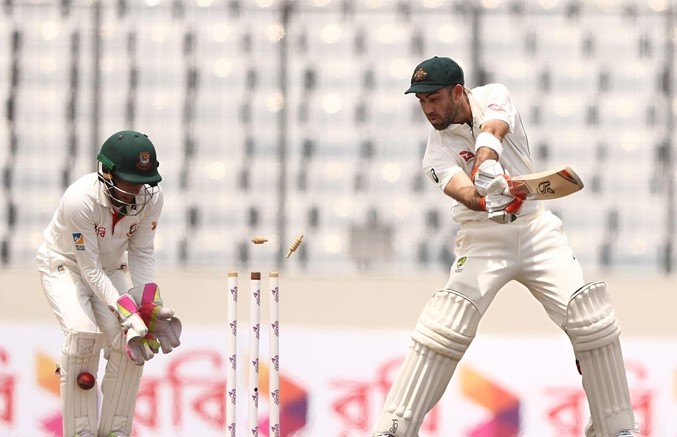
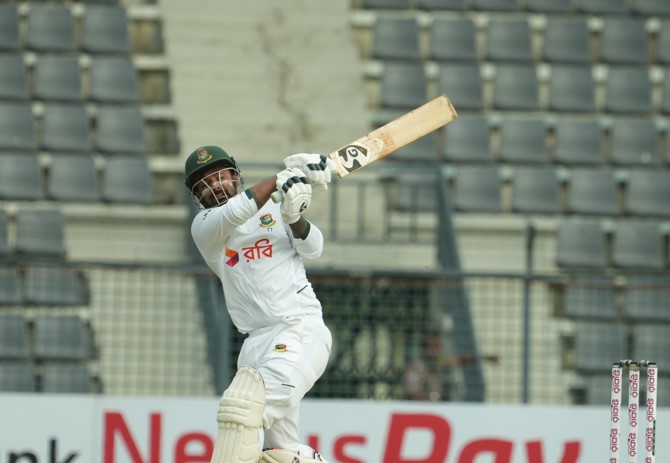
In the world of international cricket, statistics often tell only half the story. Bangladesh wicketkeeper-batter Litton Das recently shed light on the nuances of his career, specifically addressing his ODI batting average. While a modest average of around 30 might be viewed critically by some, Litton argues that the context of where those runs were scored—specifically at the Sher-e-Bangla National Cricket Stadium in Mirpur—is a vital piece of the puzzle that is often overlooked.
For years, the Mirpur surface has been infamous for being a graveyard for batters. Known for its unpredictable nature and assistance to spin bowlers, it has frequently turned routine chases into survival missions. Litton maintains that comparing these figures to players from other nations, who may ply their trade on flatter, more batting-friendly decks, does not provide a fair assessment of his performance.
The Challenge of Unpredictable Surfaces
Speaking on a recent BCB podcast, Litton was transparent about his current standing. ‘There is nothing to be proud of with a 30 average in ODIs,’ he admitted. ‘However, considering the conditions we grew up playing in, it is acceptable to some extent. If this average came while playing for another country, I would definitely say it is poor.’ His frustration stems from the fact that global cricket statistics rarely account for the difficulty of the pitch. He noted that at Mirpur, even bowlers often struggled to predict the behavior of the ball, making it nearly impossible for batters to establish a rhythm.
Litton highlighted that many world-class batters have visited Bangladesh and found themselves in deep trouble on these surfaces. When the conditions are such that scoring 240 or 250 becomes a monumental task, the traditional metrics of a batter’s success—average and strike rate—inevitably suffer.
A Shift Toward Better Batting Conditions
The good news, according to Litton, is that the narrative is beginning to shift. He believes that the quality of pitches in Bangladesh has shown marked improvement in recent times. ‘The wickets have become much better lately,’ he explained. ‘If conditions stay like this for another five or six years, it will help a lot. Earlier, those pitches were enough to damage a batter’s numbers. But people were happy because the team was winning.’
This transition toward more balanced surfaces is seen as a long-term benefit for the development of Bangladeshi talent. By providing pitches that reward quality stroke play, the team can foster a new generation of batters who are not only capable of winning at home but are also technically equipped to thrive on foreign soil.
The Path Ahead: Ambition and Growth
As the current T20I captain of Bangladesh, Litton Das is well aware of his responsibilities. While he acknowledges that impact-oriented cricket is the priority in the shortest format, he remains deeply committed to refining his craft in ODIs and Tests. His personal ambition is clear: he aims to conclude his ODI career with an average sitting firmly between 40 and 45.
Having already surpassed the milestone of 100 ODI appearances, Litton is in a reflective phase of his career. He understands that while the past was defined by tough conditions that suppressed his numbers, the future presents an opportunity to bridge that gap. With more than half of his career played on challenging home surfaces, he is eager to see how his statistics evolve now that the surfaces have become more conducive to batting.
Ultimately, Litton’s perspective serves as a reminder to cricket fans and analysts alike: look beyond the raw numbers. Behind every batting average lies a history of conditions, challenges, and the evolution of the game itself. For a talent as gifted as Litton Das, the coming years will be the true test of his potential as he seeks to reach the statistical heights he knows he is capable of achieving.