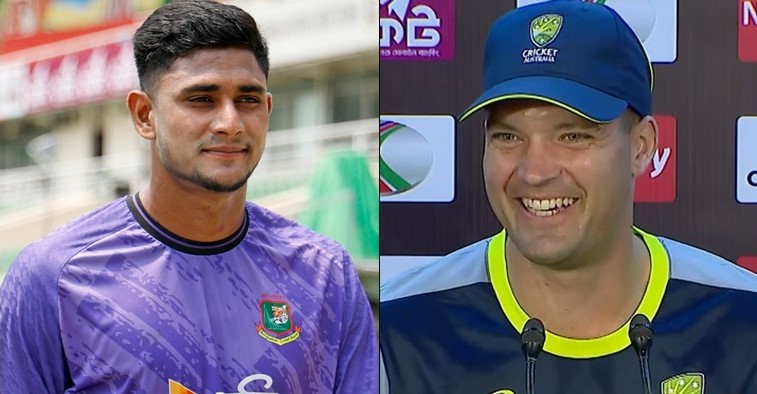
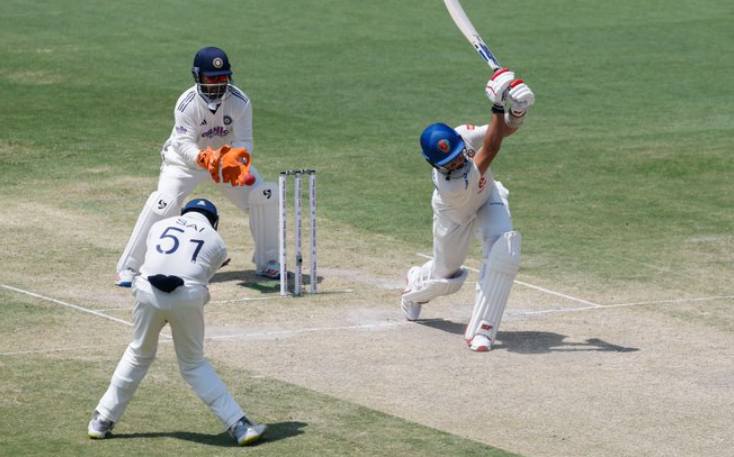
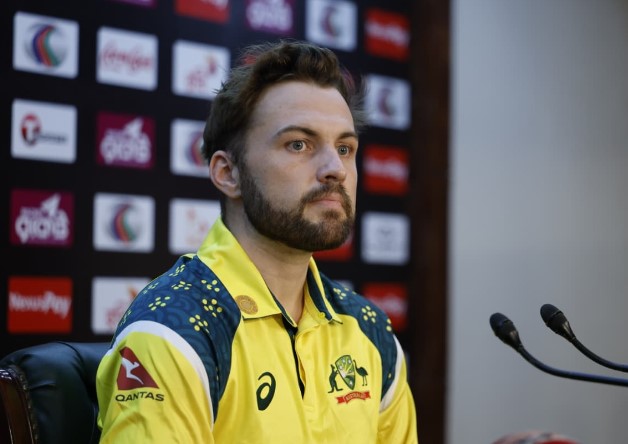
Litton Das shares untold details about Bangladesh missing T20 World Cup
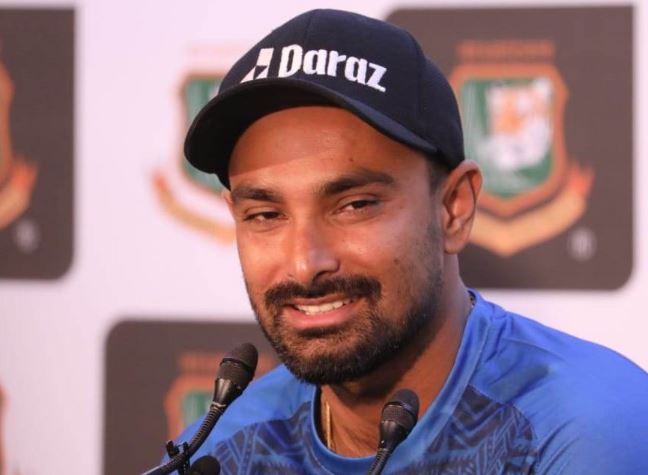
The Unspoken Reality Behind the 2026 T20 World Cup Absence
The decision to withdraw the Bangladesh cricket team from the 2026 T20 World Cup remains one of the most significant and debated chapters in the nation’s sporting history. While the official narrative cited security concerns as the primary driver for this move, the reality behind the scenes appears to have been far more complex. Recently, national T20 captain Litton Das stepped forward to provide his perspective, offering a glimpse into the deliberations that ultimately kept the Tigers away from the competition.
The Illusion of Consultation
The Bangladesh Cricket Board (BCB) faced mounting pressure after the decision to abstain from the tournament in India was finalized. Efforts to relocate the team’s matches to Sri Lanka proved futile, ultimately leading to Scotland replacing Bangladesh in the lineup. A central figure in these discussions was Dr. Asif Nazrul, the former Youth and Sports Adviser, who led the dialogue with the International Cricket Council (ICC).
Reports had long suggested that the players were consulted before such a drastic step was taken. However, Litton Das offers a starkly different account of these so-called consultations. Speaking to the daily publication Prothom Alo, Litton revealed that the meetings were less about gathering player input and more about optics. “There wasn’t really any question to answer there,” Litton remarked with a candid laugh. “We basically went there to have tea and participate. It felt like it was being shown to the media that the players had been consulted. We were happy to sit in an air-conditioned room and have some tea.”
Prioritizing the Game Over Policy
When pressed on what the players actually communicated to the authorities, Litton was direct. He emphasized that the desire of the squad was simple and singular: to play the sport they love. According to the captain, when officials asked for their stance, the players responded with a clear request to compete regardless of the logistical hurdles. The players, he noted, were not concerned with the administrative chess match being played by officials; their focus remained strictly on the field.
Challenging the Security Narrative
Perhaps the most compelling part of Litton’s testimony involves his questioning of the security concerns cited by the authorities. The board argued that India posed specific security risks, but Litton found this justification inconsistent with the team’s prior experiences. He pointedly recalled the team’s tours in Pakistan, where security protocols were rigorous, including the presence of armed guards stationed outside hotel rooms.
“We told them that we had already played cricket in Pakistan, where armed guards stood outside our hotel rooms. What could be more serious than that? If we can play cricket in Pakistan, why not in India?” Litton asked. This comparison highlights a deep sense of frustration within the squad, as the players felt the security narrative did not align with the reality of international travel and the high-security standards already managed by cricket boards worldwide.
Reflecting on Responsibility
Litton Das was firm in his stance that the ultimate decision rested entirely with the leadership, not the players. He noted that once their desire to play was voiced, the rest of the process was out of their hands. “That was entirely their call. As players, what more could we say?” he questioned.
The controversy took another turn when Dr. Asif Nazrul suggested in later interviews that the players had failed to stand up for their rights or demand participation in the World Cup. When asked about these claims, Litton opted for a more humorous approach. After confirming that the former adviser was no longer in office, Litton added with a smile, “People can say many things once they’re no longer in office.”
Conclusion
The absence of Bangladesh from the 2026 T20 World Cup continues to serve as a reminder of the disconnect that can exist between administration and the athletes who represent the country. By speaking out, Litton Das has provided much-needed clarity on the matter, emphasizing that the players were ready and willing to play, only to be sidelined by decisions made far beyond the boundary ropes. For fans, this perspective adds a layer of depth to an unfortunate episode, confirming that for the cricketers themselves, the primary mission will always be to play the game they love.