
The Changing of the Guard in Australian Cricket
The landscape of Australian cricket is at a significant crossroads. As the national team prepares for a rigorous schedule of at least 20 Test matches over the next 14 months, questions regarding the longevity of its premier fast-bowling unit have taken center stage. Glenn McGrath, one of the greatest fast bowlers to ever grace the game, has provided a sobering assessment of the situation, noting that McGrath: Australia will have to manage turnover of Test attack as the current core unit nears the end of their playing days.
The Legacy of the Current Trio
Mitchell Starc, Pat Cummins, and Josh Hazlewood have been the backbone of Australian Test cricket for years. Their ability to consistently deliver under pressure has defined an era. However, McGrath points out the reality of age and physical toll. As these bowlers move into their mid-to-late thirties, the necessity for a strategic transition becomes unavoidable. The upcoming Ashes series in England next year serves as a major focal point, with McGrath hoping that the prospect of winning on English soil for the first time since 2001 will motivate the trio to continue performing at their peak.
Identifying the Next Generation
Despite the looming transition, the cupboard is far from bare. McGrath highlighted several young talents who are beginning to make their mark in the domestic circuit. While the transition from white-ball cricket to the rigors of Test match conditions is significant, names like Spencer Johnson, Nathan Ellis, and Xavier Bartlett have been identified as players with the necessary attributes to make an impact. Furthermore, McGrath noted the potential of other emerging bowlers such as Will Sutherland, Jack Edwards, and Brendan Doggett, all of whom are vying for a spot in the national setup.
McGrath emphasized the vital role of the Sheffield Shield in identifying these future stars. He believes that the competitive nature of state cricket remains the primary filter for Test readiness. Whether it is bowlers like Nathan McAndrew or those performing for back-to-back winners South Australia, the depth of talent at the state level is what will ultimately sustain Australia’s performance on the international stage.
The Rise of Ollie Peake
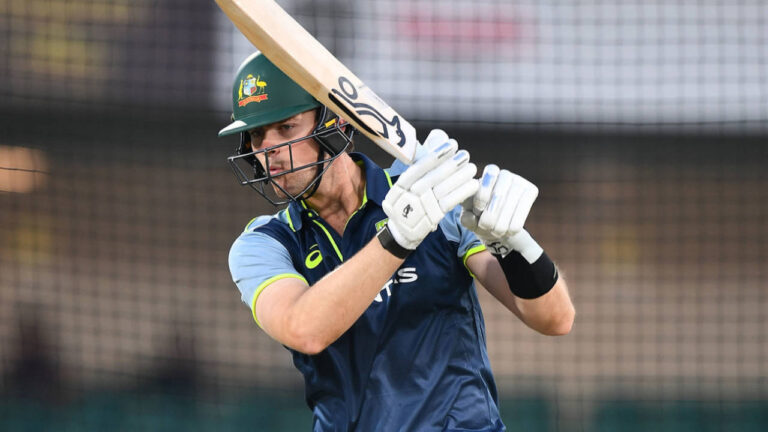
Beyond the fast-bowling department, McGrath has been particularly impressed by the development of young batter Ollie Peake. At just 19 years old, Peake has already made history as the youngest specialist batter to debut for Australia in ODI cricket. McGrath, who has observed Peake’s progress at the MRF Academy in Chennai, believes the youngster possesses the temperament and technical skill to excel even in challenging subcontinent conditions.
“He’s huge potential,” McGrath stated. “He’s played well at the Big Bash and he’s also played well at state level. He’s got that feel, but playing for your country is a little different.” With the upcoming Border-Gavaskar Trophy in India looming, selectors are likely to keep a close eye on Peake. As the average age of the current Australian squad continues to rise, the door is opening for new talent to step into the fold. The next 18 months will be a defining period for the future of Australian cricket as it balances the need for immediate success with the long-term goal of building a new, competitive squad.
Conclusion
The roadmap ahead for Australian cricket is clear but challenging. The transition period is not merely a sign of decline, but a natural cycle for any successful sporting nation. By focusing on Shield cricket and nurturing young prospects like Peake while carefully managing the workload of the veterans, Cricket Australia aims to ensure that their dominance in the longest format remains intact for years to come.