PCB Chief Mohsin Naqvi’s Potential India Visit: Breaking Down the Context
Cricket Diplomacy Returns to Ahmedabad
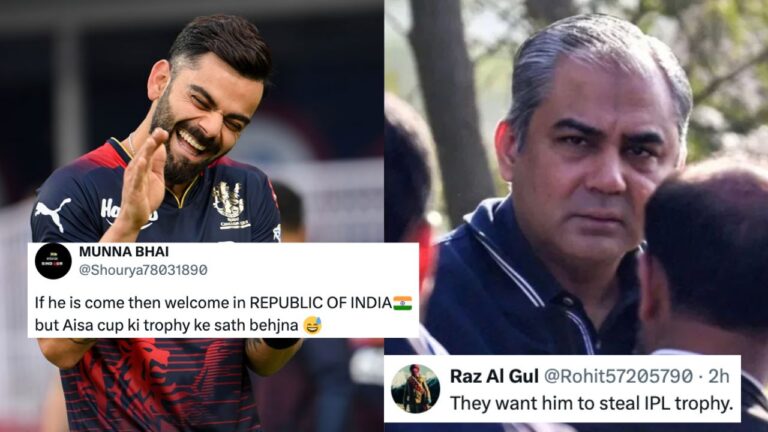
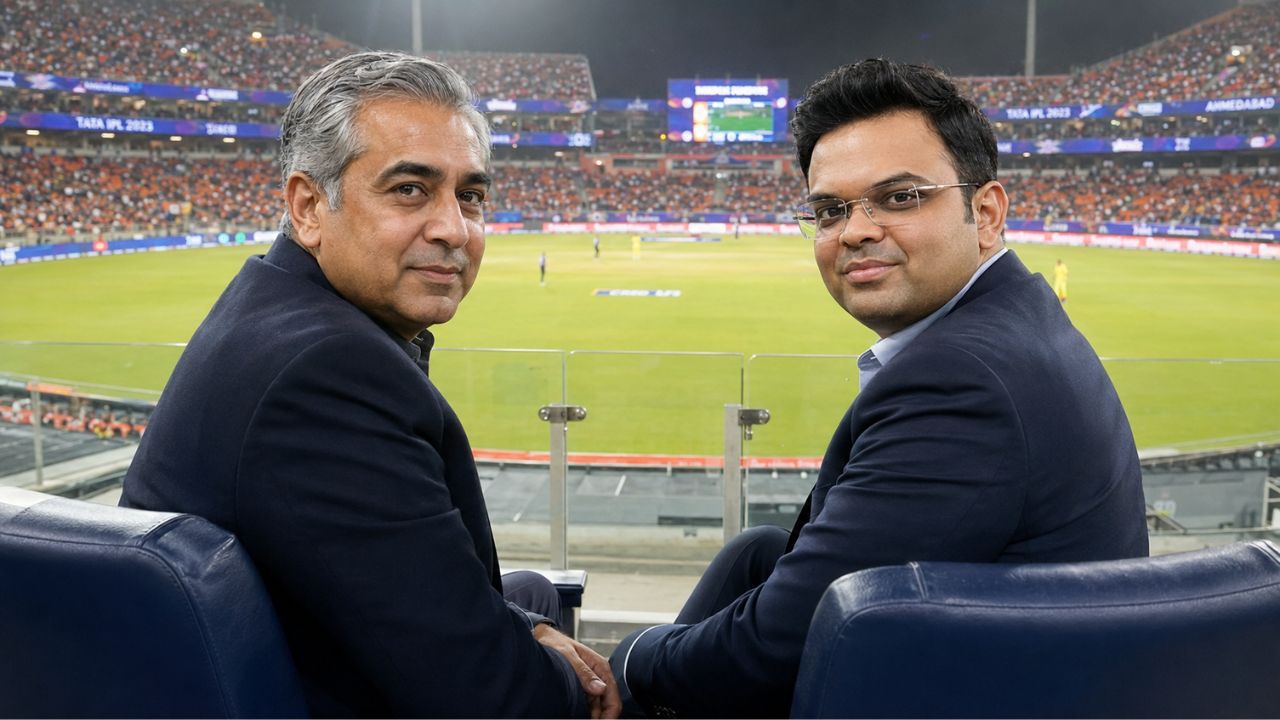
The landscape of international cricket is often influenced by factors far beyond the boundaries of the pitch. Recent reports suggesting that Pakistan Cricket Board (PCB) Chairman Mohsin Naqvi has been invited to attend the Indian Premier League (IPL) 2026 final on May 31 at the Narendra Modi Stadium in Ahmedabad have sparked significant discourse. This potential visit, reportedly confirmed by sources such as Geo News, serves as a focal point for fans and analysts alike, questioning whether the sport can once again bridge the gap between two nations whose cricketing relations have been defined by geopolitical complexity.
Historical Context: Who Came Before?
It is crucial to recognize that high-level visits between the PCB and the Board of Control for Cricket in India (BCCI) are not unprecedented, even during periods of intense geopolitical friction. Mohsin Naqvi would not be the first official to walk this path. In 2023, Zaka Ashraf, who served as the Chairman of the Pakistan Cricket Management Committee, made a notable trip to India. His visit was multi-faceted; while he attended the ICC Executive Board meeting in Ahmedabad, he was also present as a guest for the 2023 World Cup final. Beyond the pageantry of the game, his trip served as a platform to discuss the future landscape of 50-over cricket and the logistics surrounding Pakistan’s hosting duties for the 2025 Champions Trophy.
The Logistics of the Ahmedabad Meeting
The upcoming meeting in Ahmedabad, originally slated for a location in the Middle East, was shifted due to regional instability. With the new dates fixed for May 30-31, the BCCI has extended invitations to the heads of various ICC full-member boards. According to reports, the decision regarding Naqvi’s travel ultimately rests with Pakistan’s Prime Minister, Shehbaz Sharif. This highlights the reality that in the context of India-Pakistan relations, cricketing decisions are rarely made in a vacuum, often requiring government-level clearance.
What Could This Mean for Future Relations?
Should Mohsin Naqvi make the journey to India, it would be viewed by many as a symbolic ‘green light’ in the currently strained relationship between the two boards. For years, the cricketing world has waited for a thaw in the cold shoulder that has characterized India-Pakistan bilateral relations. While fans have been deprived of regular bilateral series, a successful visit could potentially pave the way for a more constructive dialogue. It is a balancing act of diplomacy; both the PCB and the BCCI have faced immense pressure to maintain national stances while simultaneously trying to manage the global demands of the ICC and the desires of a massive international fanbase.
The Complexity of Naqvi’s Stance
The narrative surrounding Mohsin Naqvi is particularly layered. As the Chairman of the Asian Cricket Council (ACC), he has previously found himself at odds with Indian cricketing authorities. His past decision regarding the handover of the Asia Cup trophy, where he requested the Indian team collect it from his office in Dubai rather than during an on-field ceremony, showcased the intensity of the friction between the two entities. Furthermore, his vocal support for Pakistan during various political and physical conflicts has made him a controversial figure in the eyes of many Indian cricket followers. Despite this, the prospect of him sitting in the stands at the Narendra Modi Stadium suggests that the spirit of the game—and the financial and structural necessity of cooperation—may be enough to set aside past grievances, at least momentarily.
Conclusion: A New Chapter or Just Business?
Whether this visit signals a genuine turning point in bilateral relations or is simply a matter of standard ICC protocol remains to be seen. However, the optics of the PCB and BCCI leadership sharing space at one of the world’s largest cricket venues are undeniably powerful. Cricket has long acted as a catalyst for dialogue in South Asia, and while the tensions remain deep-seated, the simple act of showing up is often the first step toward meaningful progress. As we look toward May 31, the cricket community remains in a state of cautious optimism, waiting to see if this meeting will deliver the fan service that supporters on both sides of the border have been craving for nearly a decade.