Nicholls fills New Zealand’s greatest shoes with composed comeback century

Rising to the Challenge
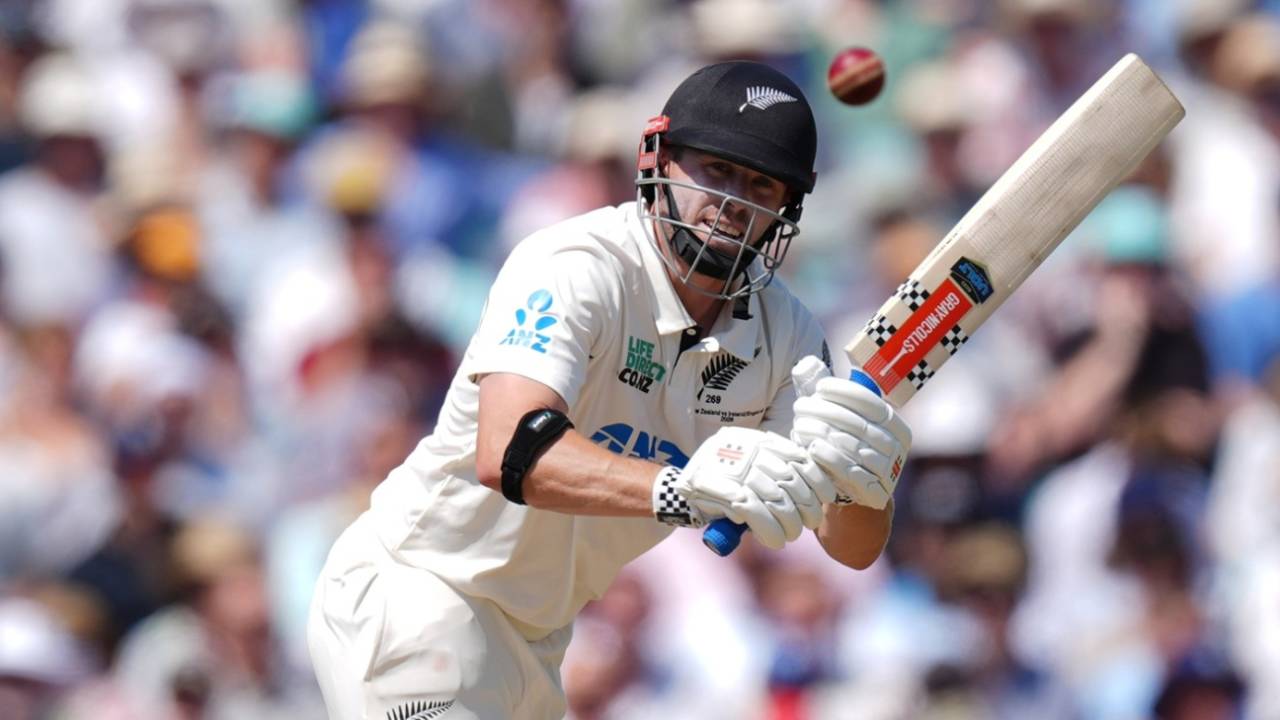
In the wake of Kane Williamson’s sudden mid-series retirement, the New Zealand cricket team faced an immediate and daunting void. Filling the boots of the nation’s greatest modern batter is an unenviable task for any player, yet Henry Nicholls responded to the crisis with style and substance. During a pivotal encounter against England at The Oval, Nicholls stepped into the No. 3 spot and delivered a masterful, unbeaten 119, proving that he was far from a peripheral figure in the Black Caps setup.
This performance was not merely a stroke of luck; it was the culmination of relentless domestic form. Having played only three Tests since the dawn of 2024, Nicholls arrived in London with the momentum of a highly successful Plunket Shield season behind him. In the 2025-26 campaign, he amassed 870 runs at an average of 96.66, signaling his readiness for a return to the international stage. His innings against an inexperienced England seam attack on a blistering south London afternoon showcased the experience of a 34-year-old veteran who knows his game inside and out.
The Power of Domestic Consistency
Nicholls credits his recent success to a renewed sense of enjoyment and clarity. Reflecting on his journey back to the Test side, he noted that he has felt like he was playing the best cricket of his life over the past two years. This confidence was bolstered by an earlier outing in Zimbabwe, where he scored an unbeaten 150, but his display at The Oval marked a significant return to prominence on the biggest stage. Nicholls fills New Zealand’s greatest shoes with composed comeback century, yet he remained characteristically humble when discussing the weight of the task.
“Being out of the team for a bit and playing domestically, I’ve been really just trying to enjoy my cricket,” Nicholls told Sky Sports. “I certainly, in the last couple of years, feel like I’ve actually been playing my best cricket. For me as well, having played a significant number of Tests, I knew what it takes at this level.”
Team Culture and Resilience
Beyond his individual heroics, Nicholls highlighted the robust nature of the New Zealand cricket culture. He argued that the seamless integration of players into the Test environment is a direct credit to the high standards of domestic cricket and the inclusive nature of the Black Caps’ dressing room. This culture, he believes, allows players to step into high-pressure roles without feeling out of place.
Teammate Matt Henry, who celebrated his own personal milestone by securing a five-wicket haul against England, was quick to praise Nicholls’ resilience. Henry noted that Nicholls successfully ignored the external noise surrounding the impossible task of replacing a legend like Williamson. According to Henry, Nicholls possesses a rare ability to block out distractions and focus entirely on what the team requires, which is a hallmark of his character.
A Strategic Partnership
When asked about the pressure of the situation, Nicholls offered a pragmatic perspective. He acknowledged that attempting to be a direct replacement for Williamson would have been a fool’s errand, given the legend’s stature. Instead, he focused on contributing in his own way, building partnerships with Rachin Ravindra and Daryl Mitchell to steer New Zealand into a dominant position. By the close of the third day, the Black Caps had successfully built a lead of 352, placing them firmly in the driver’s seat.
The day was also marked by the successful return of Matt Henry, who had previously been hampered by back spasms during the first Test at Lord’s. Henry’s ability to return to his best form, aided by the tactical adjustments made by Tom Blundell behind the stumps, provided a massive boost to the bowling attack. As New Zealand looks toward the conclusion of the Test, the narrative is clearly one of collective resilience and individual brilliance—a testament to a squad that continues to evolve, even when faced with the departure of its most iconic player.