A Historic Milestone at Rawalpindi
The cricketing world turned its eyes to the Rawalpindi Cricket Stadium as Pakistan marked a monumental occasion, officially participating in their 1000th One Day International. This achievement places Pakistan in an elite group, becoming only the third nation in cricket history, following Australia and India, to reach the quadruple-digit mark in the 50-over format.
As the atmosphere crackled with anticipation, Pakistan captain Shaheen Shah Afridi won the toss and made the strategic decision to field first. The decision was rooted in tactical foresight, with Afridi noting that batting conditions are expected to improve under the lights. Furthermore, the skipper anticipated that the pitch would offer significant assistance to spinners during the first innings, a factor that heavily influenced his team selection.
Fresh Faces and Tactical Shifts
The landmark match provided the perfect stage for emerging talent to shine. Pakistan handed a well-deserved ODI debut to 21-year-old left-arm spinner Arafat Minhas. Minhas, who has already gained experience in the T20I arena, adds a new dimension to Pakistan’s bowling attack. In a move to strengthen their spin department, the hosts fielded a spin-heavy XI, featuring Shadab Khan—making his return to the ODI fold since the 2023 World Cup—alongside Abrar Ahmed and Salman Ali Agha. With Afridi and Haris Rauf serving as the primary pace options, Pakistan clearly signaled their intent to control the middle overs through spin.
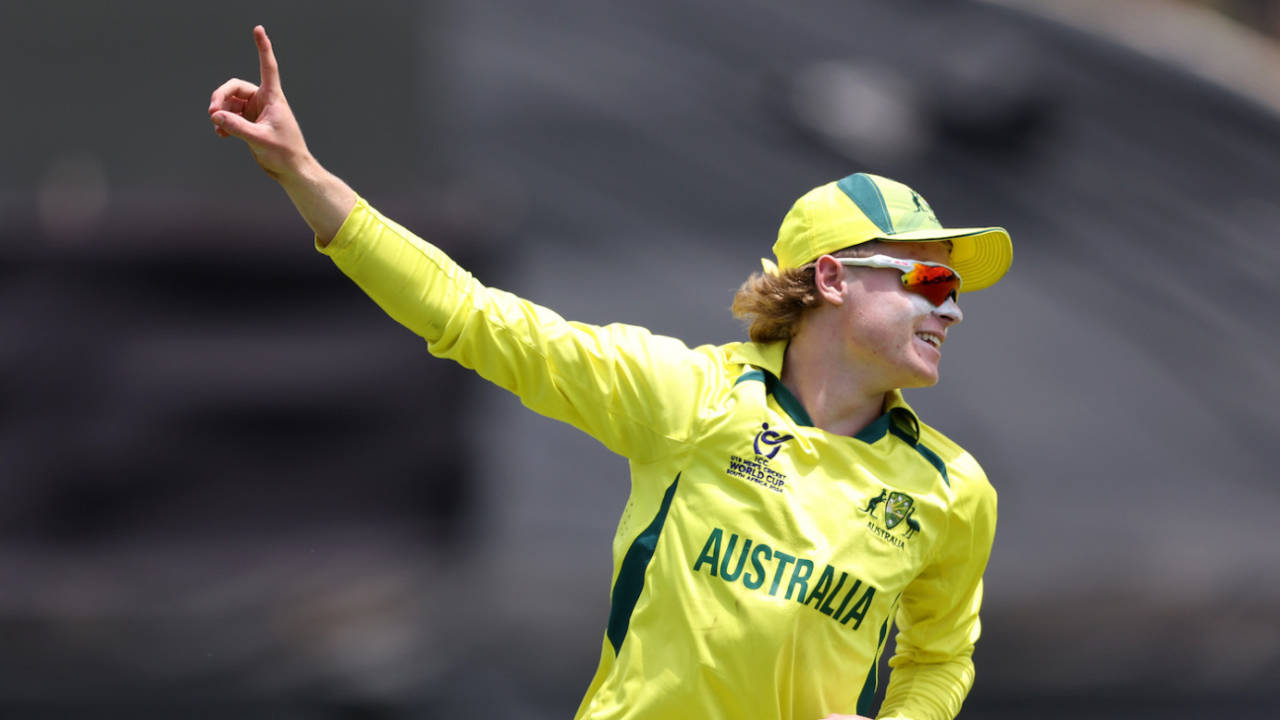
On the opposing side, Australia opted for a mix of experience and youthful exuberance. The visitors handed an ODI debut to the highly-rated 19-year-old batter, Oliver Peake. Australia’s lineup also saw the return of tall fast bowler Billy Stanlake, who marks his comeback to the national side after a seven-year hiatus. Captain Josh Inglis, leading the side, has tasked Cameron Green with a crucial role in the middle order as part of Australia’s ongoing mission to refine their finishing strategies. The bowling attack was rounded out by Nathan Ellis, while Tanveer Sangha and Matthew Kuhnemann provided the specialized spin options.
Team Lineups
The squads for this historic 1000th ODI are as follows:
- Pakistan: Sahibzada Farhan, Maaz Sadaqat, Babar Azam, Ghazi Ghori (wk), Salman Ali Agha, Abdul Samad, Shadab Khan, Arafat Minhas, Shaheen Shah Afridi (capt), Haris Rauf, Abrar Ahmed.
- Australia: Matthew Short, Alex Carey, Josh Inglis (capt and wk), Marnus Labuschagne, Cameron Green, Matthew Renshaw, Oliver Peake, Nathan Ellis, Tanveer Sangha, Billy Stanlake, Matthew Kuhnemann.
The Strategic Landscape
By opting to field first, Pakistan has placed the onus on their bowling unit to restrict the Australian total on a surface that is expected to favor spin initially. The inclusion of four spinners indicates a clear strategy to suffocate the scoring rate and create pressure throughout the innings. For Australia, the presence of versatile players like Cameron Green and the debutant Oliver Peake highlights a desire for adaptability in shifting playing conditions.
The return of Billy Stanlake adds an intriguing subplot to the Australian bowling effort. His height and bounce have long been considered a point of difference, and his performance in the powerplay will be vital in mitigating the threat posed by Pakistan’s top order. As both teams look to the future, the integration of younger players like Minhas and Peake into such a significant fixture underscores the importance of long-term development in the modern era of cricket.
As the match progresses, the effectiveness of Shaheen Afridi’s decision will become clearer. With the history of the 1000th match serving as a backdrop, both teams are eager to secure a victory that will be etched into the annals of cricket records. Regardless of the final outcome, this match remains a testament to the endurance and popularity of the ODI format, celebrating a legacy that continues to evolve with every ball bowled.