Pitch imperfect: Nasser Hussain, Michael Vaughan lead criticism of Lord’s surface

The Controversy at the Home of Cricket
Lord’s Cricket Ground, widely considered the spiritual home of the sport, finds itself at the center of a heated debate. Over the first two days of the ongoing Test match, the surface has drawn sharp rebuke from former England captains Nasser Hussain and Michael Vaughan. With wickets falling at an astonishing rate of one every 25 balls, the pitch has been labeled as inconsistent and, in the eyes of experts, fundamentally unfit for the highest level of the game.
A Bowler-Dominant Affair
The numbers from the first two days tell a story of struggle for the batters. With target scores for the fourth innings appearing daunting, the performance of top-order players has been hampered by erratic behavior from the surface. Notably, both captains have opted to refrain from using spin bowling entirely, as the atmospheric conditions and the volatile nature of the seam movement have made pace bowling almost impossible for batters to navigate.
The MCC has invested heavily in recent years to revitalize the playing surfaces at Lord’s. This included a technical process of steaming the soil last winter, intended to inject life, pace, and consistent bounce into the square. However, based on the early evidence of this Test, these efforts have failed to produce the desired equilibrium between bat and ball.
Hussain and Vaughan Weigh In
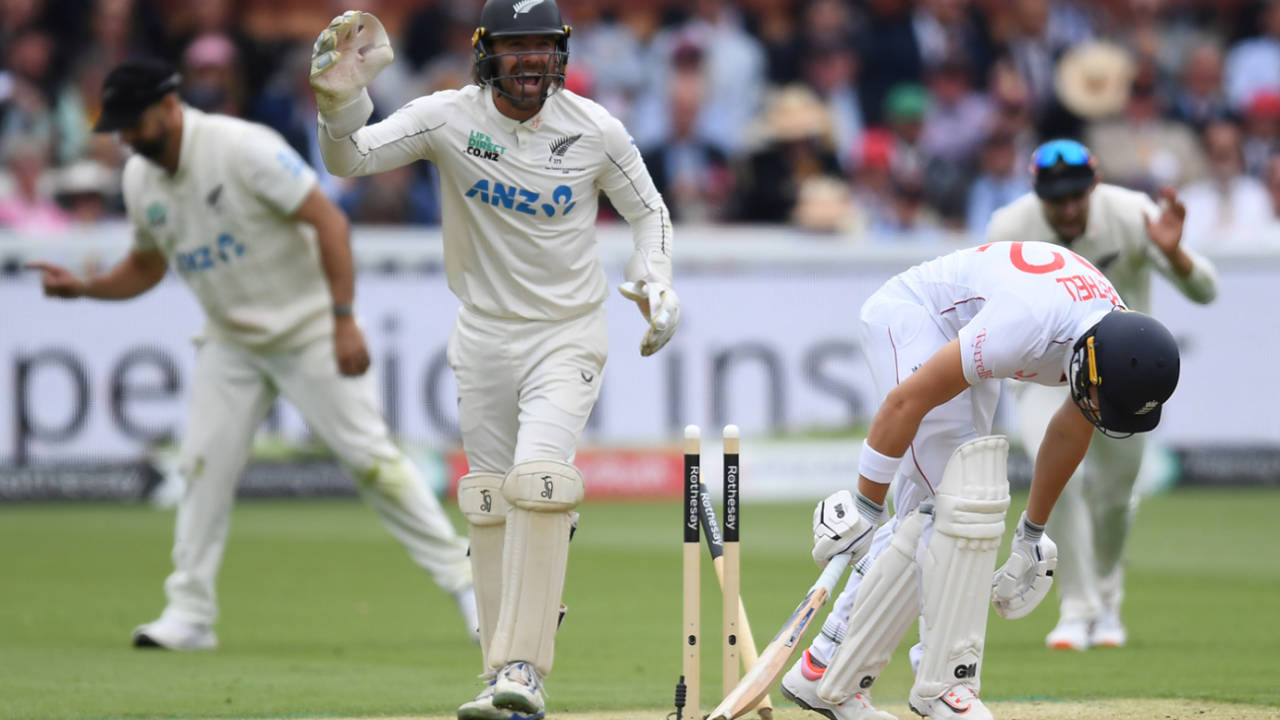
Nasser Hussain did not mince his words when discussing the conditions. Describing the surface as “substandard,” he highlighted the inherent danger of variable bounce. He specifically pointed to the dismissal of Jacob Bethell, who was clean bowled by a delivery that kept dangerously low, shooting under his bat. Hussain remarked that there was “no chance at all” for the batter to survive such a delivery.
“Look at the very first delivery of the Test match, which rolled along the ground,” Hussain observed during the broadcast. “It has lacked pace and when it has got quicker, then suddenly it starts misbehaving up as well. As a batter, nothing is worse than up-and-down bounce combined with seam movement and the slope.” He concluded that while the stadium facilities remain world-class, the “bit in the middle” is currently failing the players.
Michael Vaughan echoed these sentiments, expressing deep sympathy for the cricketers forced to contend with such unpredictability. “Test match cricket is meant to be a test,” Vaughan stated. “It’s not a test for the bowlers this week, because it’s too easy. This isn’t a fair balance between bat and ball.” He pointed to the collective struggles of elite players like Joe Root and Kane Williamson as proof that the difficulty level had surpassed the threshold of a fair sporting contest.
The Bowler’s Perspective
While the criticism mounts, the bowlers have naturally found more success. New Zealand’s Nathan Smith, who claimed an impressive six wickets in the second innings, acknowledged the role the surface played, though he emphasized the influence of overhead conditions. Smith noted that the heavy cloud cover during the first two days likely exacerbated the movement off the pitch.
“I think it is certainly helping,” Smith admitted. “There’s a little bit of variable bounce, and the ball is seaming around.” However, he maintained that the pitch characteristics change significantly when the sun emerges, suggesting that the surface might become more manageable as the match progresses and the ball softens.
Conclusion: The Future of the Lord’s Pitch
The scrutiny placed on the MCC is likely to intensify as the match concludes. For a venue that prides itself on being the premier stage for Test cricket, the inability to provide a reliable surface is a significant concern. As players and pundits alike look for consistency, the conversation surrounding the preparation of pitches at Lord’s is set to remain a focal point for the remainder of the season. Whether the pitch settles or continues to draw ire will depend on the final days of play, but the initial verdict from cricket’s most respected voices remains clear: the balance is currently tilted far too heavily in favor of the bowlers.