The Tactical Genius Behind the Gabba Miracle
The 2020/21 Border-Gavaskar Trophy remains etched in the annals of cricket history as one of India’s most extraordinary achievements. While the final chase at the Gabba is often celebrated for Rishabh Pant’s fearless stroke play, new details have surfaced highlighting the leadership role played by Rohit Sharma. It is now clear that Rohit Sharma Gets Credit For Rishabh Pant’s Gabba Heroics, as his vision guided the team toward an aggressive victory rather than a cautious draw.
A High-Stakes Decision on Day 5
During the final day of the fourth Test, India faced a daunting task. Chasing over 300 runs on a pitch that was deteriorating, the team relied on a gritty foundation laid by Shubman Gill’s impressive 91 and the steadfast resolve of Cheteshwar Pujara. However, as the afternoon progressed, the weather became increasingly ominous, and the target remained distant.
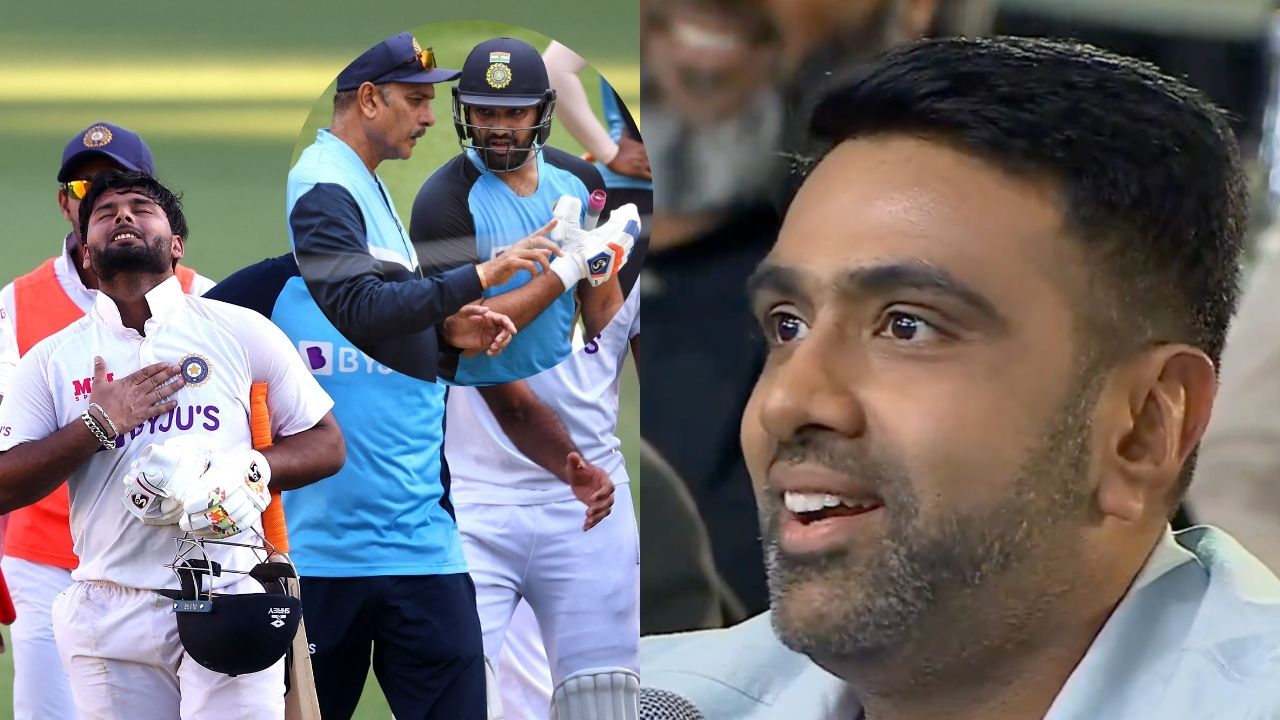
Head coach Ravi Shastri, wary of the unpredictable conditions and the strength of the Australian attack, advocated for a defensive approach, aiming to secure a draw. This would have been a safe decision, ensuring the series remained tied in the context of the overall tour. Yet, inside the Indian dressing room, a different conversation was taking place.
The Ashwin Revelation
Ravichandran Ashwin, a key member of that touring party, provided insight into the internal debate during a discussion at the ESPN Cricinfo awards. He described the tension as the match reached its climax. According to Ashwin, the difference in philosophy between the coaching staff and the senior players was palpable.
“We were having that weather blogging on one side and the other side with Ravi bhai’s ups and downs,” Ashwin recalled. “In the latter part of the game, Rohit wanted Rishabh to go for the win. Ravi bhai wanted to play for the draw, and it just kept flowing for the next two hours. Great Test match.”
Rohit Sharma’s Influence in Virat Kohli’s Absence
While Rohit Sharma’s own batting statistics during that specific series—129 runs across four innings at an average of 32.25—might not reflect his personal best, his impact as a leader was immense. With Virat Kohli absent for the latter part of the series, Rohit stepped up, offering tactical input that proved vital for the squad’s confidence.
His encouragement of Rishabh Pant to play his natural game allowed the young wicketkeeper-batter to express himself freely. This faith paid off remarkably, as Pant remained unbeaten on 89, steering India to a three-wicket victory that halted Australia’s 32-year unbeaten streak at the Gabba.
Why the 2020-21 Series Remains Iconic
The victory at the Gabba was not just about one innings; it was a testament to the resilience of a squad plagued by injuries and exhaustion. With players like Jasprit Bumrah and Ashwin sidelined, and the regular captain Virat Kohli unavailable, the depth of the Indian side was tested to its limit. The triumph effectively secured a 2-1 series win and elevated the status of the current generation of Indian cricketers.
By backing his teammates and prioritizing an aggressive win-at-all-costs mindset, Rohit Sharma proved that a captain’s role extends far beyond personal performance. His ability to guide the team through the final hours of that Test match ensured that India took home a victory that will be discussed for decades to come. The Gabba win remains a defining moment, and acknowledging the tactical push from leaders like Rohit is essential to understanding how that historic win was truly forged.