Watch: Sahibzada Farhan hurt after being hit by Haris Rauf’s thunderbolt in nets

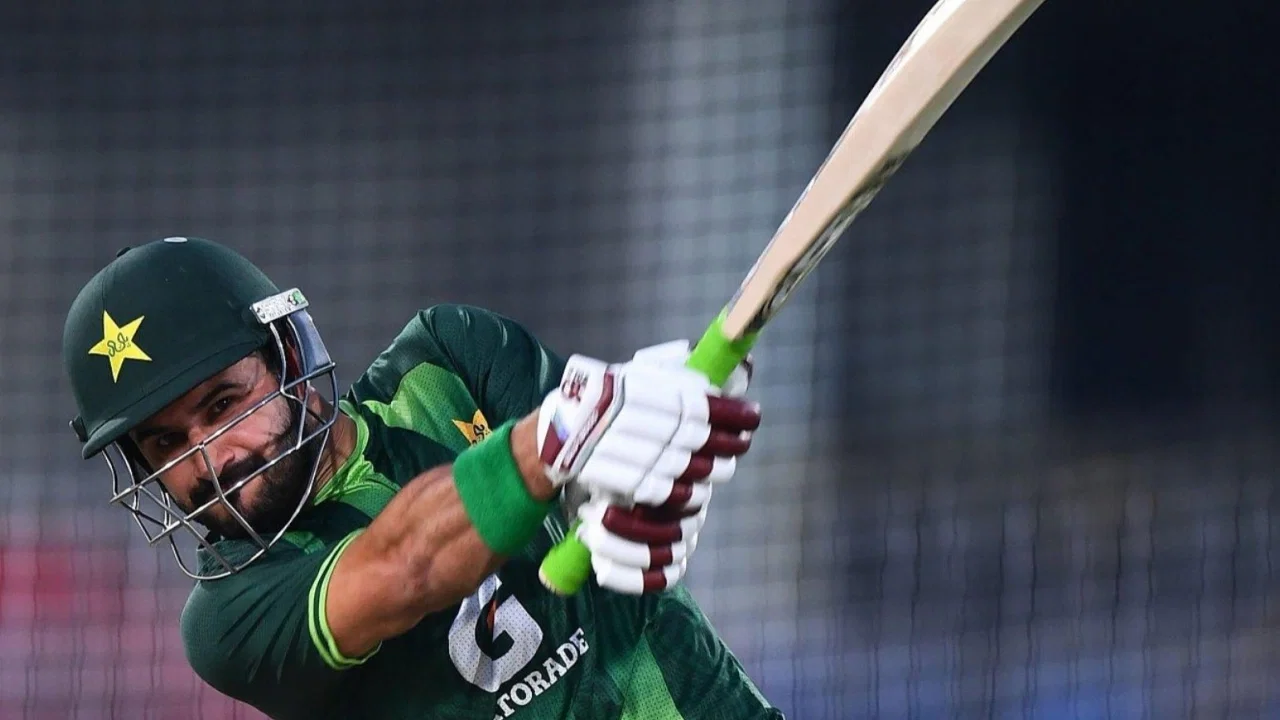
An Unsettling Moment in the Nets
The intensity of international cricket is often best observed behind the scenes, specifically during net sessions where the world’s fastest bowlers test their teammates. In a recent training session at the Rawalpindi Cricket Stadium, a significant injury scare occurred when fans were left concerned as they watched the footage: Watch: Sahibzada Farhan hurt after being hit by Haris Rauf’s thunderbolt in nets. The incident, which took place under the floodlights, reminded everyone of the physical hazards involved in preparing for top-tier cricket.
Haris Rauf, widely recognized for his blistering pace and aggressive bowling style, was putting the Pakistan top-order through their paces. As a short-pitched delivery rocketed toward Sahibzada Farhan, the opener was caught off guard by the sheer velocity and unexpected bounce generated by the speedster. Despite a last-second attempt to evade the ball, the delivery struck Farhan firmly on the hand, resulting in an immediate, sharp reaction of pain as his bat dropped to the turf.
The Relief and Recovery
The immediate reaction from the players on the field was one of genuine concern. Rauf quickly rushed to his teammate’s side to assess the damage. Fortunately, for the thousands of Pakistan supporters eager to see their team perform, the news was positive. Reports following the incident confirmed that there was no fracture or major damage to the thumb, and the batter was quickly cleared to participate in the series opener.
The relief was palpable among the fans who have been following the team’s preparation closely. Farhan has been in excellent touch in the limited-overs format, and his presence in the playing eleven was considered vital for the team’s chances against a formidable Australian side.
A Historic Milestone
This match holds significant historical weight for the Pakistan cricket team. As they stepped onto the pitch to face Australia, it marked the 1000th ODI match for the Men in Green. By reaching this milestone, Pakistan has become only the third nation in history, following Australia and India, to cross the 1000-match threshold in the 50-over format.
Captain Shaheen Shah Afridi acknowledged the gravity of the occasion during the toss. He emphasized that representing the country in their 1000th ODI is a proud achievement for every player involved. The team expressed a clear intent to honor this legacy by playing with intensity, consistency, and a winning mindset.
Match Day Lineups
The management confirmed the final playing elevens, putting all lingering injury doubts to rest. The Pakistan side features a balanced mix of experience and rising talent:
- Pakistan: Sahibzada Farhan, Maaz Sadaqat, Babar Azam, Ghazi Ghori (wk), Salman Ali Agha, Abdul Samad, Shadab Khan, Arafat Minhas, Shaheen Shah Afridi (capt), Haris Rauf, Abrar Ahmed
- Australia: Matthew Short, Alex Carey, Josh Inglis (capt and wk), Marnus Labuschagne, Cameron Green, Matthew Renshaw, Oliver Peake, Nathan Ellis, Tanveer Sangha, Billy Stanlake, Matthew Kuhnemann
The Australian team is led by Josh Inglis, with the squad featuring a mix of established stars and fresh faces, including Oliver Peake, who earned his debut cap in this historic 50-over encounter. As the series kicks off, the focus remains on the action in the middle, leaving the net-session scare firmly in the rearview mirror as both teams vie for supremacy in this landmark series.