Shaheen Afridi on Pakistan quicks losing speed: ‘Machines deteriorate with time’ – Shaheen Afridi Addresses Pakistan’s Pace Decline and Squad Rotation
A Troubling Trend in Pakistan Cricket
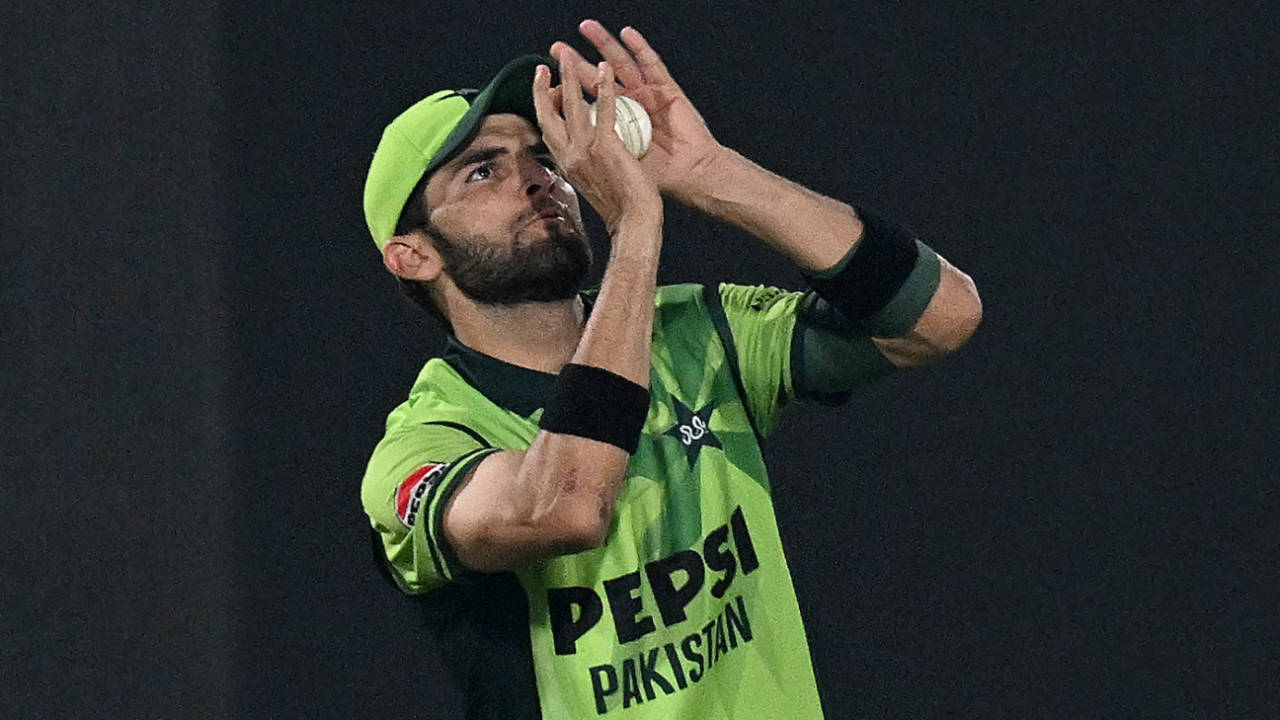
The aura of the Pakistan fast bowling factory, once synonymous with terrorizing batsmen with raw, blistering pace, is currently under intense scrutiny. In recent international outings, particularly during the challenging Test series against Bangladesh, the Pakistan pace battery appeared remarkably pedestrian compared to their opponents. With the National Cricket Academy (NCA) now intervening to formulate a recovery plan, captain Shaheen Shah Afridi has stepped forward to shed light on the physical toll behind this decline.
The Reality of Performance Cycles
Afridi, who has himself faced significant challenges regarding his bowling speed since returning from a serious knee injury in 2022, candidly addressed the issue. Comparing the human body to machinery, the pace spearhead noted that elite performance is not infinite. ‘It is a norm that machines deteriorate with time,’ Afridi remarked. ‘We are trying to recharge ourselves. You can put more pace in the ball when your body has had rest, but our bodies remain always at Pakistan’s disposal.’
This candid admission highlights a growing concern regarding the management of Pakistan’s premier fast bowlers. With constant travel and a grueling schedule, the opportunity for recovery is often minimal. The contrast was stark in the series against Bangladesh, where the visitors’ bowlers consistently hit the high-140kph mark, while Pakistan’s attack often struggled to move past the mid-130s. Afridi noted that younger, less-burdened bowlers like Bangladesh’s Nahid Rana have the benefit of freshness, whereas the seasoned Pakistan contingent is dealing with the cumulative fatigue of high-stakes international cricket.
NCA Involvement and Strategic Planning
In response to the dip in speed, the NCA is reportedly working on specialized load management programs. By rotating bowlers between Test and ODI formats, the coaching staff hopes to ensure that the primary quicks remain fresh and capable of maintaining higher velocity when it matters most. Every bowler in the current setup is reportedly engaged in discussions about how to reclaim their lost yards of pace, marking a collective effort to restore Pakistan’s traditional competitive edge.
The Rizwan Omission: Perspective and Future Outlook
Beyond the bowling speed discourse, the recent squad selection has sparked intense debate, specifically regarding the exclusion of Mohammad Rizwan from the ODI side. Despite being a statistical pillar in recent times—averaging 42.42 with the bat in this cycle—Rizwan’s absence has left fans and analysts questioning the selectors’ long-term strategy.
Afridi was quick to dampen rumors that Rizwan’s international career is nearing a conclusion. ‘I would suggest you not to jump to conclusions,’ he stated firmly. ‘Babar and I were also dropped from the team, but we are back. I have spoken to Rizwan about it. It is not as if his cricket is finished just because he has been dropped for this series.’
The captain emphasized that the current selection policy is driven by the necessity of building a deeper talent pool ahead of the ODI World Cup, which is 16 months away. By introducing uncapped players like Rohail Nazir, Arafat Minhas, and Ahmed Danyal, the selectors aim to provide opportunities to fringe players, ensuring that the team is not overly reliant on a fixed group of seniors. This rotation strategy is designed to test depth and cultivate resilience, preparing the side for the high-pressure environment of a global tournament.
Looking Ahead
As Pakistan prepares for the remaining fixtures in Lahore, the focus remains firmly on evolution and preparation. The integration of youth with established leaders like Babar Azam, Naseem Shah, and Shadab Khan signals a transitional phase. Whether these adjustments will lead to a resurgence in pace and a more robust squad remains to be seen, but the transparency from the leadership suggests a team acutely aware of its current limitations and determined to overcome them. The coming months will be critical in determining if this ‘recharging’ process yields the desired results on the field.