How Sourav Ganguly Fast-Tracked MS Dhoni into the Indian Cricket Team
The Visionary Leadership of Sourav Ganguly
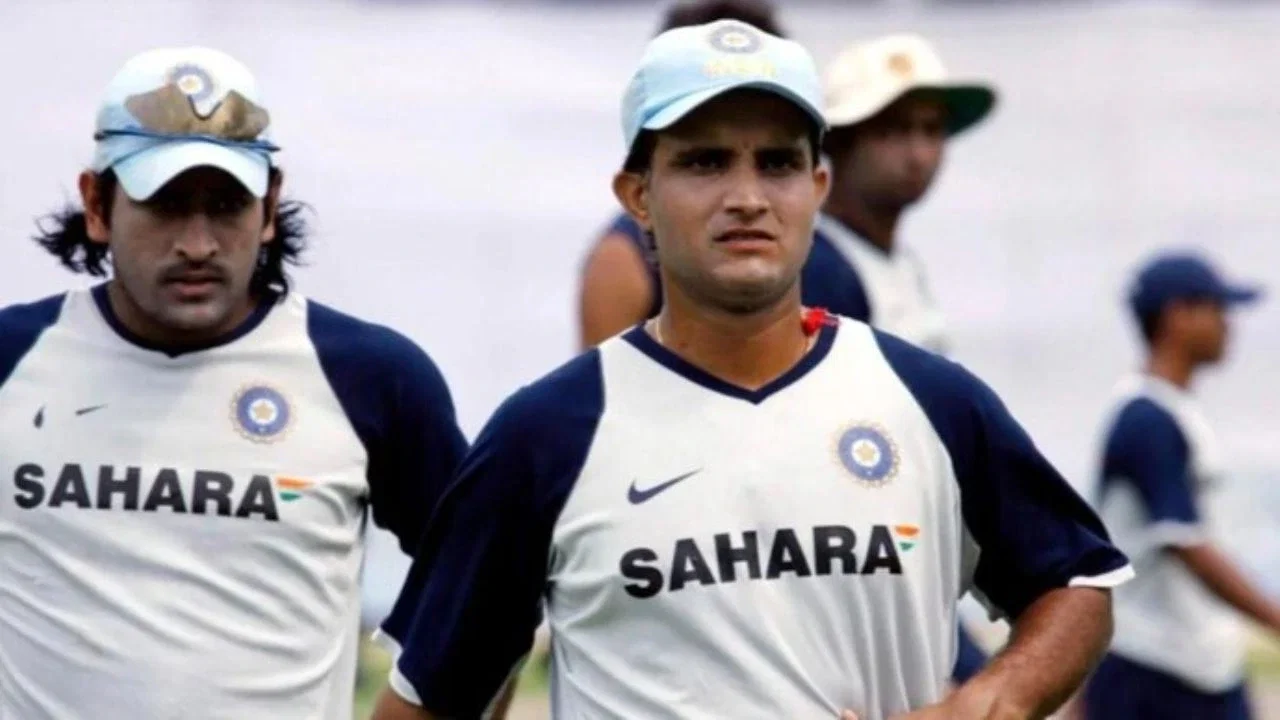
In the annals of Indian cricket, few decisions have proven as transformative as the induction of Mahendra Singh Dhoni into the national side. While Dhoni’s subsequent achievements—including 10,000+ ODI runs, nearly 15,000 international runs across formats, and three ICC titles—are well-documented, the catalyst behind his rapid ascent was none other than former Indian skipper Sourav Ganguly. Ganguly, known for his aggressive captaincy and eye for talent, recently opened up about the philosophy that led him to fast-track the Ranchi-born wicketkeeper-batter.
Identifying the Rare Talent
The process of discovering Dhoni involved a mix of scouting reports and hands-on observation. Ganguly credits former Indian selector Saba Karim for first highlighting the unique potential of the young cricketer from Jharkhand. During an appearance on the Raj Shamani podcast, Ganguly recalled the pivotal conversation: “Saba Karim told me, ‘He hits a lot of sixes.’ So we picked him straight from there for India A. He played his first match at Wankhede Stadium on my team. He made a hundred and was hitting sixes to the roof.”
That performance was the turning point. Ganguly recognized that waiting too long to introduce talent to the big stage could be detrimental. “We had to take him. Whoever is good has to be fast-tracked. You cannot leave him. If you keep cooking him slowly from behind, he will finish,” he explained.
The Philosophy of Upward Mobility
Ganguly’s approach to team building was rooted in a simple but effective cricketing logic: players improve by testing themselves against superior competition. He argued that the system must force players to rise to the occasion. “This is the system. If you play with people above your level, your game will rise. If you play below, your game will go down,” Ganguly noted. By putting Dhoni in the deep end, Ganguly ensured that the transition from domestic excellence to international stardom was met with the necessary rigor to harden the player.
A Hidden Scout
Before making the final call, Ganguly insisted on seeing the talent with his own eyes. The former skipper revealed a personal anecdote from the scouting phase: “I had to see him before taking the final call. So, I stalled that decision for a few days. We watch full matches. When Dhoni used to play, I had gone to Jamshedpur to watch him. He did not even know.” This level of diligence underscores the gravity with which Ganguly approached the selection process.
Reshaping the Indian Landscape
Sourav Ganguly’s legacy as a captain is deeply tied to his ability to identify and back generational talents. He was instrumental in building the core of the Indian team that would go on to dominate world cricket for years, including icons like Zaheer Khan, Harbhajan Singh, Virender Sehwag, and Yuvraj Singh. His management style was characterized by a lack of hesitation in giving young players significant roles.
This faith was famously rewarded when Ganguly sent a young Dhoni up the order to bat at number three against one of the toughest opponents of the era. Dhoni responded by scoring a blistering 148 off just 123 balls, featuring 15 fours and four sixes. It was a performance that turned raw potential into absolute certainty, confirming that India had found a unique force in the wicketkeeper-batter position.
The Legacy of an Aggressive Model
Ganguly’s “ultra-aggressive model” was not merely about on-field batting tactics; it was a systemic overhaul. He believed that the national team should be a reflection of the best talent available, regardless of traditional tenure. By trusting his gut and acting on the scouting reports provided by team management, Ganguly ensured that MS Dhoni was given the platform he needed right when he was at his most explosive. Today, as we look back at the three ICC trophies hoisted by Dhoni, the fingerprints of Ganguly’s bold leadership remain clearly visible on the evolution of Indian cricket.