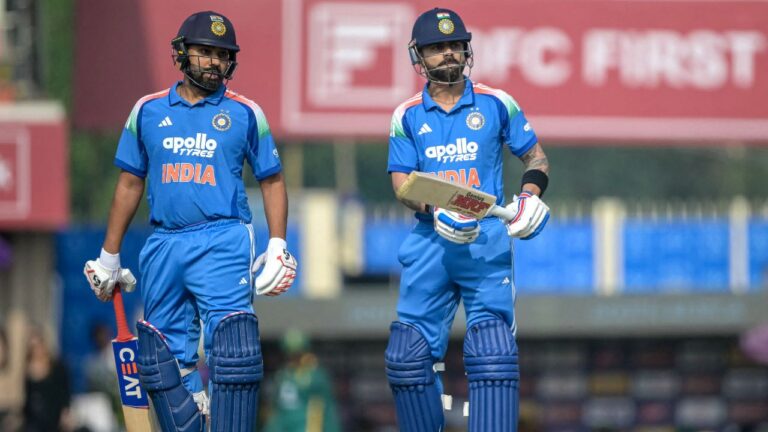
Players like Rohit, Inzamam: Vaibhav Sooryavanshi’s restricted growth in IPL concerns

The Changing Landscape of Modern Cricket
The Indian Premier League (IPL) has long been a breeding ground for talent, serving as the bridge between domestic promise and international stardom. However, the recent introduction of the ‘Impact Player’ rule has sparked significant controversy. Former Indian cricketer Sanjay Manjrekar has emerged as a vocal critic of this regulation, specifically highlighting how it may hinder the development of young stars. A primary point of concern is how Players like Rohit, Inzamam: Vaibhav Sooryavanshi’s restricted growth in IPL con, illustrating a trend where specialization is prioritized over the complete evolution of an athlete.
The Case of Vaibhav Sooryavanshi
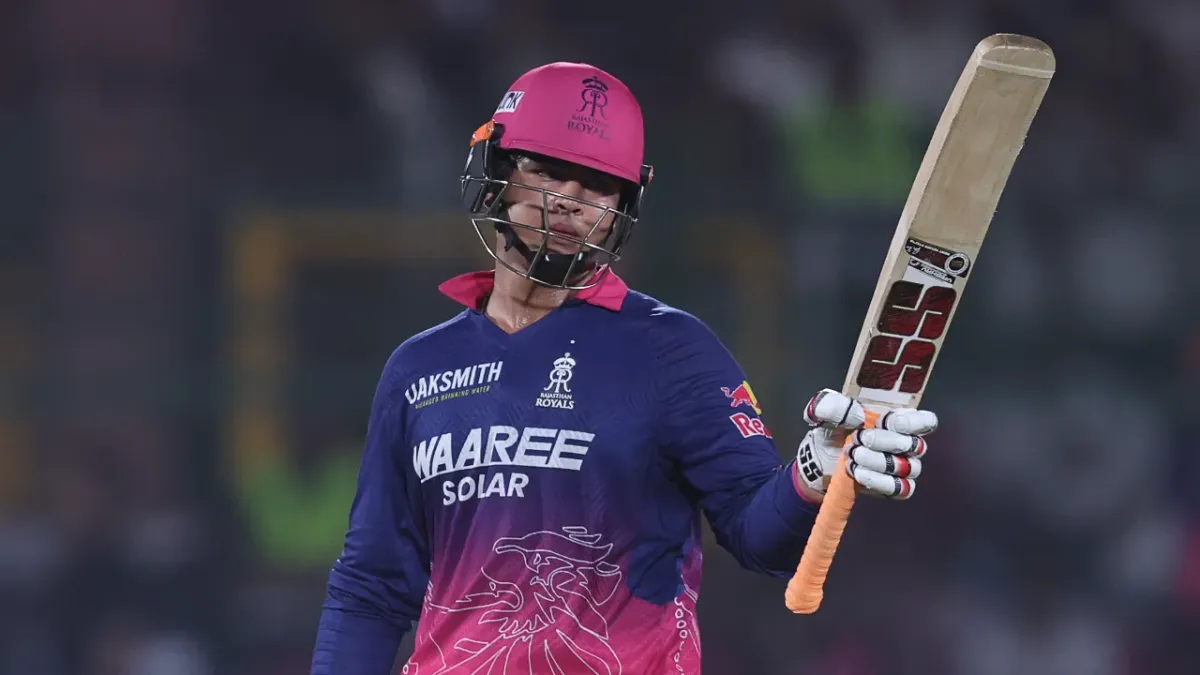
Vaibhav Sooryavanshi, the young sensation representing the Rajasthan Royals, has had a spectacular run in the 2026 season. With 583 runs in 14 matches and a staggering strike rate exceeding 200, his batting prowess is beyond question. Yet, Manjrekar points to a worrying trend: Sooryavanshi is frequently utilized purely as an ‘Impact Sub,’ meaning his participation is often limited to batting, with his role in the field entirely bypassed. This tactical convenience, while beneficial for the team’s immediate scoreboard, potentially limits the player’s exposure to the rigors of a full match.
Drawing Parallels with Legends
In his critique, Manjrekar draws parallels to established icons of the game. He notes that the current system risks producing players who are one-dimensional. Reflecting on the past, he recalls legends such as Inzamam-ul-Haq, who, despite not being known for elite athleticism, were integral parts of the team across all facets of the game. Manjrekar argues that the modern reliance on the Impact Player rule mimics aspects of Rohit Sharma‘s recent usage, where players contribute limited balls and then vacate the field, effectively reducing the scope of their contribution to the sport.
Why the Impact Player Rule Faces Scrutiny
The core of the argument against the rule is that it discourages the ‘all-around’ development necessary for international success. Manjrekar emphasizes that India has achieved significant success on the world stage, including consecutive T20 World Cup titles, without the assistance of such rules. The argument follows that if a player is only required to perform one skill—be it batting or bowling—they miss out on the vital experience of staying engaged in a contest for its entire duration.
- Skill Dilution: Bowlers are restricted to four overs with no requirement to field, potentially stunting their tactical maturity.
- Financial vs. Developmental Value: The disparity between the effort put in and the match fees received, as highlighted by the cameo-style usage of players, raises questions about the long-term sustainability of the current model.
- Fielding Neglect: Fielding is a fundamental discipline of cricket, and removing it from a player’s responsibility during a match ignores a key component of their professional growth.
A Call for Reform
Manjrekar’s plea to the Board of Control for Cricket in India (BCCI) is clear: the Impact Player Rule should be scrapped to ensure that the sport continues to test the overall development of the individual. He posits that cricket should remain a discipline where a player’s value is determined by their contribution across all facets of the game. Whether it is a specialist bowler, a batter, or an all-rounder, the expectation should be for them to contribute to the success of the team in every possible way.
As the conversation continues, the cricketing community remains divided. While the excitement of high-scoring games and strategic subs provides immediate thrills, the potential cost to the development of the next generation of players is a reality that cannot be ignored. The focus must remain on cultivating well-rounded athletes who are prepared for the unpredictable demands of international cricket, rather than relying on systems that prioritize short-term tactical gains over long-term player progression.