Virat Kohli Slams IPL’s Overbearing Content Culture: Privacy at Risk

The Price of Fame in the Digital Age
In the modern landscape of the Indian Premier League (IPL), the line between professional sports and reality television has become increasingly blurred. As franchises compete for digital dominance and fan engagement, the presence of dedicated content teams has become ubiquitous. However, not everyone is comfortable with the constant surveillance. Virat Kohli, one of the most recognizable figures in global sport, has recently taken a firm stand against the intrusive nature of this ‘content-first’ culture.
The Invasion of Personal Space
For Virat Kohli, the pressure of cricket has always been something to embrace, but the pressure of constant observation is an entirely different matter. Having spent years under the intense spotlight—compounded by his high-profile personal life—Kohli has famously sought solace in London, returning to India primarily for international duty and the IPL. Despite his desire for privacy, the cricketer has found that even the training grounds of the IPL are no longer a sanctuary.
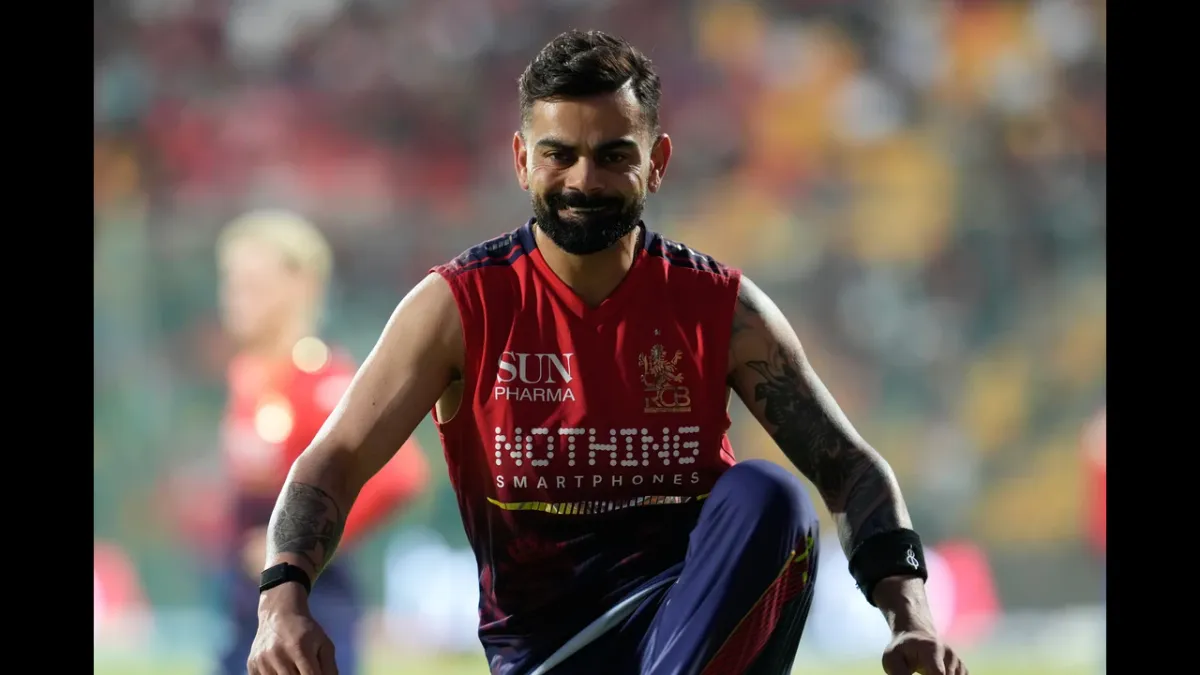
Reflecting on the RCB podcast, Kohli detailed the discomfort of having cameras follow his every move. “When you go out for practice, there are six cameras following you. It is not a comfortable feeling,” he stated. He emphasized that for an athlete to perform, there must be a sense of freedom. When every action, experimental shot, or tactical adjustment is recorded, the process loses its organic nature. Kohli noted that he should be judged on his match-day performance, not on the nuances of his behind-the-scenes preparation.
Beyond the Boundary: The Need for Boundaries
The issue extends beyond individual practice sessions. Kohli shared a specific anecdote involving his friend and fellow cricketer, Kane Williamson. During a private conversation, they were interrupted by a robotic device recording their interaction. Such moments highlight the absurdity of the current obsession with capturing every second for social media engagement. Kohli argued that players need “space to talk” and that the relentless filming culture is “getting too much.”
Kohli’s message is clear: there must be a balance. While he acknowledges the importance of fan engagement and the growth of franchise fan clubs, he believes that the process needs to be streamlined. He is advocating for clear rules and regulations that prioritize player comfort and consent, ensuring that the human element of the game isn’t lost in the pursuit of content metrics.
Form and Focus on the Field
Despite these external frustrations, Kohli remains firmly focused on his professional duties. Representing the Royal Challengers Bengaluru, he continues to demonstrate why he is considered one of the greatest of all time. With a stellar record of 9 centuries in the IPL and having crossed the 14,000-run mark in the shortest format of the game, his statistics speak for themselves.
In the ongoing 2026 season, Kohli has already surpassed the 400-run mark and remains a top contender for the coveted Orange Cap. His performance against the Kolkata Knight Riders, where he secured a brilliant hundred, underscores his ability to thrive under pressure. As RCB enters the business end of the tournament, having secured a playoff spot and aiming for a top-two finish under the leadership of Rajat Patidar, Kohli’s consistency remains the cornerstone of the team’s ambition.
Moving Forward
The debate sparked by Kohli serves as a timely reminder to sports franchises that while digital expansion is necessary for growth, it should not come at the expense of the athletes’ well-being. A respectful environment where players feel comfortable and unmonitored during their private moments is essential for sustained success. As the IPL continues to grow as a global sporting phenomenon, finding this equilibrium between media demands and human rights will be crucial for the future of the game.