Explained: Why KL Rahul is missing the 3rd ODI against Afghanistan
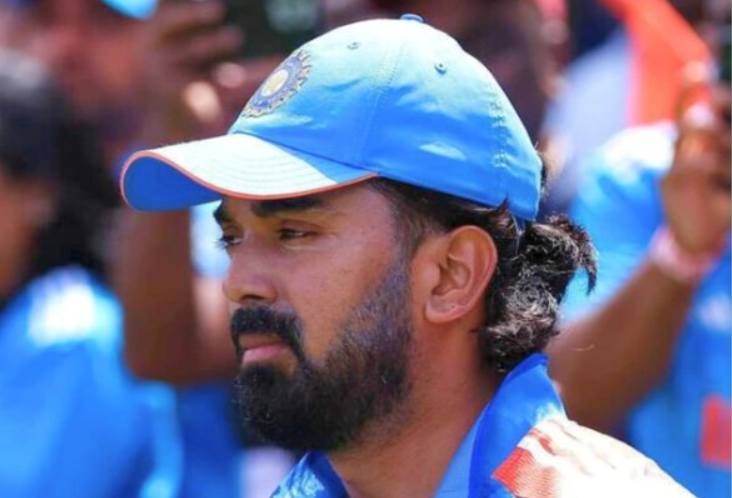
India made several notable changes to their playing XI for the third and final ODI against Afghanistan at the MA Chidambaram Stadium in Chennai. However, one specific omission immediately became the main talking point among cricket enthusiasts and analysts alike. Senior wicketkeeper-batter KL Rahul did not feature in the starting XI, leading to widespread speculation regarding his fitness and role in the squad. Fortunately for the team and his fans, there is absolutely no injury concern surrounding the experienced campaigner.
Workload Management Takes Center Stage
The primary reason behind KL Rahul’s absence is India’s ongoing workload management program. Having already sealed the three-match ODI series with comprehensive victories in Dharamshala and Lucknow, the Indian team management decided this was the perfect opportunity to give the senior statesman a well-earned breather. With a grueling international calendar ahead, preserving the physical and mental well-being of key players has become a top priority for the national selectors and coaching staff.
Rather than fielding the same lineup and risking fatigue or injury in a dead-rubber match, the decision-makers opted to rotate the squad. This strategic rest allows KL Rahul to recuperate while simultaneously opening up slots for players who have been waiting patiently on the sidelines for their chance to perform on the international stage.
Coaching Staff’s Vision for Squad Rotation
The tactical rotation did not come out of the blue. Before the match commenced in Chennai, India’s assistant coach Ryan ten Doeschate had strongly hinted that the team would look to experiment with their playing combination in the final fixture. The coaching setup is highly focused on building robust bench strength, ensuring that backup options are match-ready and possess sufficient game time before India heads into more demanding tournaments later in the year.
By giving opportunities to fringe players in low-pressure situations, the team management can evaluate their depth and versatility. This forward-looking approach ensures that India remains competitive even if primary players are unavailable due to injuries or scheduling conflicts in future campaigns.
KL Rahul’s Performance in the Series
During the first two matches of the bilateral series, KL Rahul experienced contrasting fortunes on the field. In the series opener hosted in the scenic venue of Dharamshala, Rahul showcased his destructive capabilities by playing a blistering, unbeaten knock of 39 runs off just 19 deliveries. His aggressive cameo ensured that India crossed the finish line in style, wrapping up a comfortable chase.
However, the second ODI in Lucknow proved to be a contrasting affair for the right-hander, where he was dismissed for a golden duck. Despite this rare failure, the team management remains fully confident in his abilities. One poor outing does nothing to diminish Rahul’s stature or his immense value to India’s ODI setup. Over the years, he has successfully transitioned into one of the most reliable middle-order anchors and wicketkeepers in the 50-over format, known for his calm temperament and tactical intelligence.
Shubman Gill Explains the Team Selection at the Toss
At the toss in Chennai, captain Shubman Gill confirmed that India had made three changes to their playing XI after Afghanistan’s captain won the toss and elected to bowl first. Among the key inclusions was the return of promising young all-rounder Nitish Kumar Reddy. The coaching staff brought back Reddy to enhance the team’s overall balance, as his presence provides India with an extra seam-bowling option and crucial depth in the lower-middle batting order.
In addition to Nitish Kumar Reddy, India also brought in pace bowler Prasidh Krishna and spinner Harsh Dubey. These changes reflect the management’s objective to thoroughly assess their bowling resources and give everyone a run on the spin-friendly track of the MA Chidambaram Stadium.
Gill admitted that while India would have preferred to bat first to set a target, chasing under lights in Chennai presents an equally valuable learning experience. The young captain emphasized that with the series already won, the pressure was off, allowing the team to play freely, test their bench strength, and maintain their winning momentum as they transition into a packed international season.