Why Pakistan’s Pace Bowling Has Dipped: Umar Gul Explains the Decline

The Changing Landscape of Pakistan’s Pace Attack
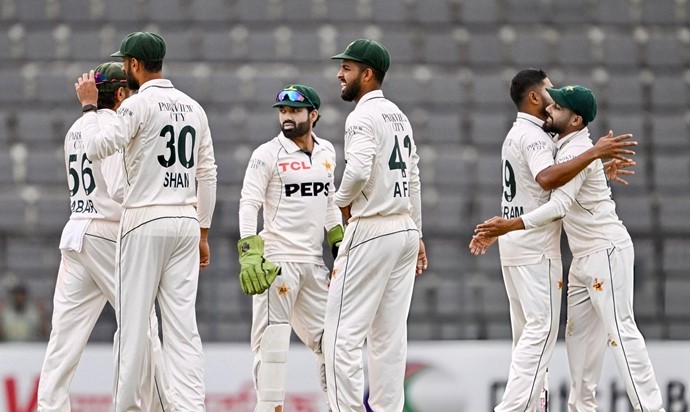
For decades, the mention of Pakistan cricket was synonymous with lightning-fast deliveries and lethal swing. From the iconic duo of Wasim Akram and Waqar Younis to the record-breaking velocity of Shoaib Akhtar, the nation earned a reputation as the ultimate crucible for fast bowlers. However, recent performances have left fans and experts concerned as the current pace unit appears to struggle with hitting the 135 kph mark consistently. Former fast bowler and current coaching staff member, Umar Gul, has stepped forward to address these growing concerns.
The Bangladesh Factor and Unlucky Breaks
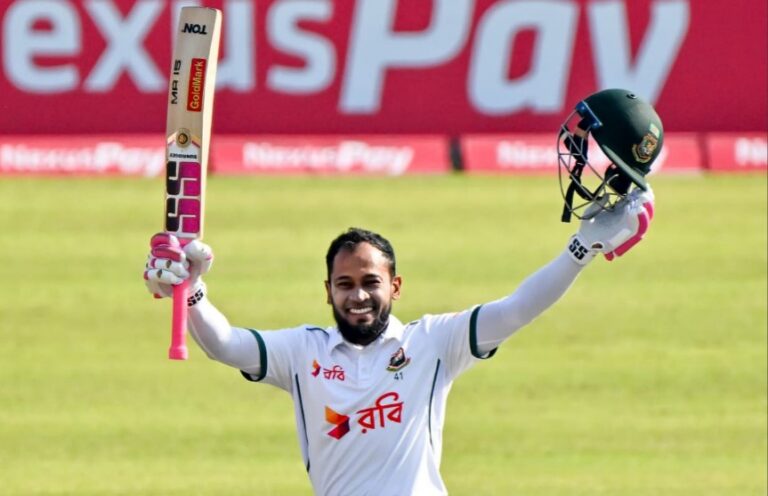
While the statistics might look alarming, Gul suggests that the situation is far more nuanced than a simple decline in raw talent. He points toward the resilience displayed by the opposition, noting that the Bangladeshi batters have performed exceptionally well during the current series. According to Gul, it is a combination of disciplined batting and a lack of fortune that has made the bowling attack appear less effective than it truly is.
“Bangladeshi batters have batted really well,” Gul explained. “In some moments we were unlucky. We missed chances in reviews and couldn’t get Litton Das out. But that’s part of cricket. Sometimes luck is on your side, sometimes it isn’t. The bowlers tried hard, but the results didn’t go our way.”
Rhythm and the Red-Ball Challenge
When pressed on the noticeable drop in velocity, Gul was quick to defend the current pool of talent. He disputes the narrative that the decline in pace is a permanent fixture of the current squad. Instead, he highlights a critical distinction between white-ball and red-ball cricket. He notes that many of the same bowlers frequently hit the 140 kph barrier during the Pakistan Super League (PSL) and in limited-overs international fixtures.
The issue, according to Gul, lies in the specific demands of Test match cricket. “We still have bowlers who can bowl 140 kph in PSL and ODI cricket,” he stated. “But in red-ball cricket, the pace drops a bit. We don’t play enough Test cricket these days. Because of that, bowling muscles and bowling memory don’t develop properly. Both mental and physical preparation are important. The bowlers have given everything, they are bowling long spells.”
The Impact of Scheduling and Preparation
A significant portion of the struggle can be attributed to a lack of consistent exposure to the longest format. Pakistan’s lengthy hiatus from red-ball cricket—with their last outing dating back to October—has clearly disrupted the bowlers’ match rhythm. Maintaining the required intensity for Test cricket requires a physical conditioning that cannot be replicated in a training camp alone.
Gul also highlighted the environmental and logistical hurdles the team faced: “After more than six months, we came back again. So maybe the pace looks slightly down, but the energy is still there. On top of that, the heat and humidity here also play a role.”
The Need for Better Preparation
Reflecting on the tour, Gul admitted that the team could have benefited from more red-ball practice matches prior to the series. The current structure of the cricket calendar, heavily influenced by the PSL and other domestic and international commitments, leaves little room for adequate lead-up time in the specific format required.
“Before any series, preparation in that format is important,” Gul noted. “But because of scheduling, PSL and other commitments, we worked with the players we had in camp. We didn’t get enough match practice after that. Even in Karachi, the conditions were very hot.”
Ultimately, while the decline in pace is a point of concern, it appears to be a systemic issue regarding workload management and scheduling rather than a loss of fundamental capability. As Pakistan looks to the future, the coaching staff will likely prioritize red-ball rhythm and structured preparation to ensure the country’s proud legacy of fast bowling remains intact.