Why Did RCB Prioritize Net Run Rate Over Chasing 256? Andy Flower Explains

A Tactical Calculation: Understanding RCB’s Approach Against SRH
In the high-stakes environment of the IPL 2026, every run and every decision carries significant weight. Recently, the Royal Challengers Bengaluru (RCB) faced Sunrisers Hyderabad (SRH) in their final league game. While the match resulted in a 55-run defeat, the broader objective of securing the top position on the points table was successfully achieved. This outcome has sparked discussions among fans and analysts alike regarding the team’s defensive batting approach during the second innings.
The Arithmetic of Qualification
Entering the match with a superior Net Run Rate (NRR) of +1.065, RCB held a significant advantage over their competitors. SRH, having posted a mammoth total of 255/6, placed immense pressure on the defending champions. However, the internal arithmetic for RCB was clear: to ensure a top-two finish, they required 166 runs, and to finish at the very top of the table, they needed to cross the 171-run threshold.
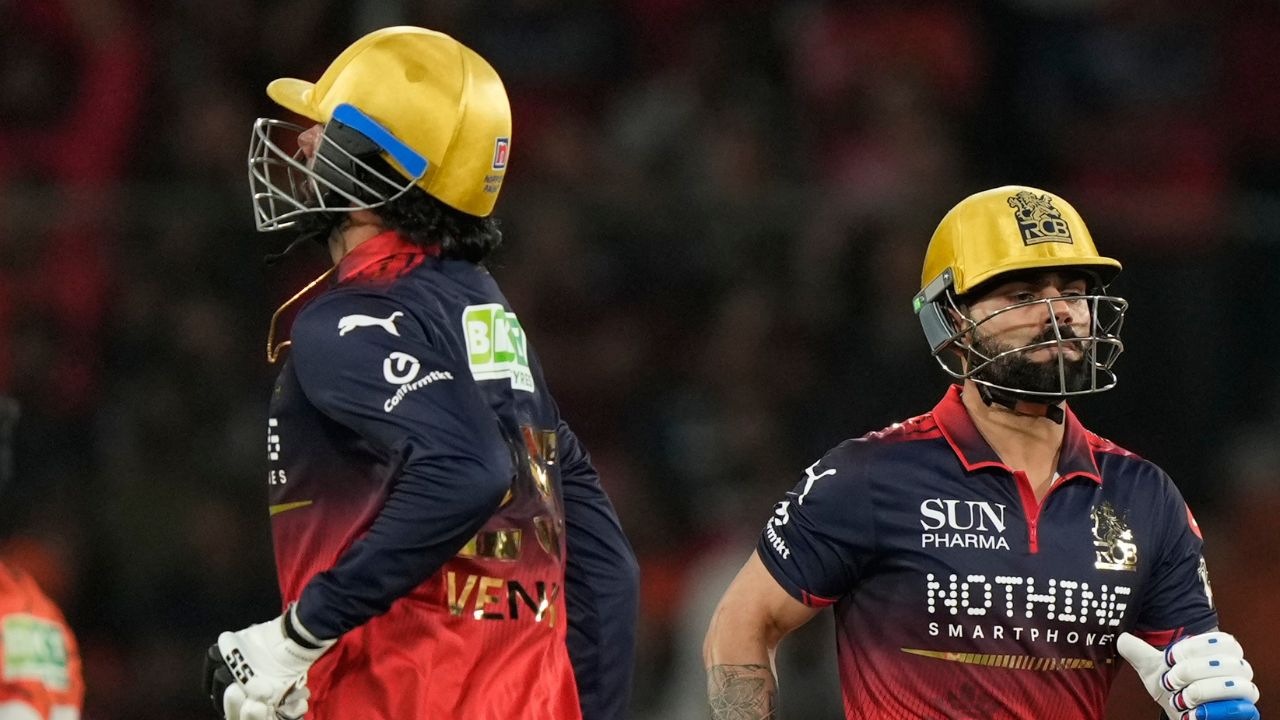
Ultimately, RCB concluded their innings at 200/4. While they fell short of the 256-run target required to win the match, the team successfully navigated the NRR requirements, ending the league phase in first place with 18 points. This feat is particularly notable as it marks only the second time in IPL history that three teams have finished with equal points, with RCB’s superior NRR acting as the tie-breaker.
Andy Flower on Dressing Room Strategy
Head coach Andy Flower provided candid insights into the team’s thought process during the post-match press conference. He revealed that the team discussed multiple targets throughout the chase, balancing the ambition of victory against the necessity of tournament positioning.
“We were in a position to keep pushing to chase down 255 but ultimately we got the job done and topped the league. It’s quite a tricky situation when you’ve got these conflicting things, winning the game and ensuring we top the league,” Flower stated. He further explained that the batsmen were encouraged to gauge the situation on the pitch and decide whether the aggressive pursuit of 255 was worth the risk compared to the safer, calculated path of securing the top-table finish.
The Impact of Venkatesh Iyer
The batting display featured a standout performance from Venkatesh Iyer, who opened the innings and injected much-needed energy into the powerplay. His 19-ball 41 provided a glimmer of hope that a historic chase might be possible. Flower took a moment to commend Iyer’s character, noting his patience throughout the season despite limited playing time.
“I’ve got a lot of respect for a man that’s played a lot of IPL cricket and was sitting on the sidelines waiting for his chance. He’s had a big smile on his face all the time and practised hard in every session. He’s been exemplary,” said the coach.
Looking Ahead to the Playoffs
While the decision to play cautiously in the middle overs—led by Rajat Patidar and Krunal Pandya—drew some criticism from those hoping for an aggressive pursuit of the win, the strategy served its primary purpose. By managing the NRR effectively, RCB has guaranteed themselves two opportunities to reach the IPL 2026 final.
The team is now set to shift their focus to Qualifier 1, where they will face the Gujarat Titans in Dharamsala on May 26. With the top spot confirmed and the intensity of the playoffs looming, RCB will be looking to carry the lessons from this tactical encounter into their quest for another title.