BCCI Will Not Intervene in IPL Player Workloads Amid Varun Chakravarthy Controversy
The Workload Dilemma in Modern Indian Cricket
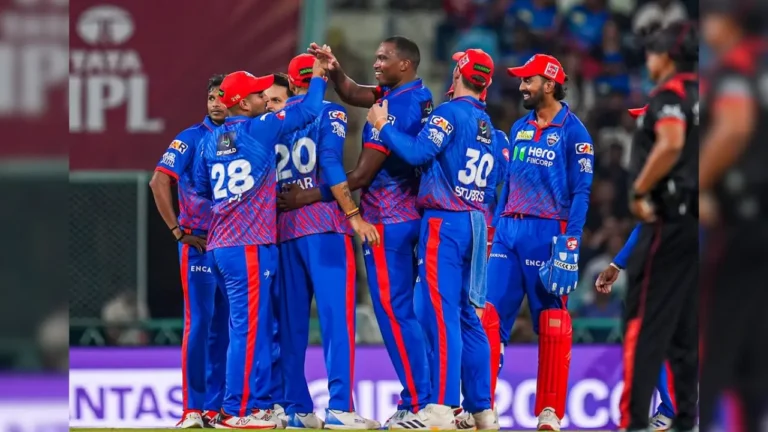
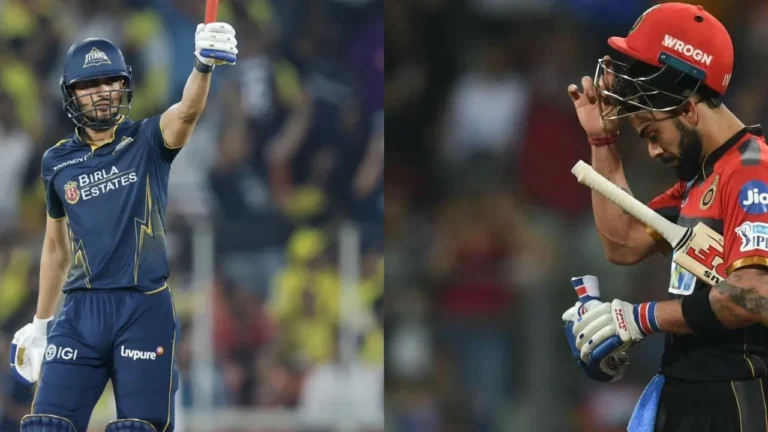
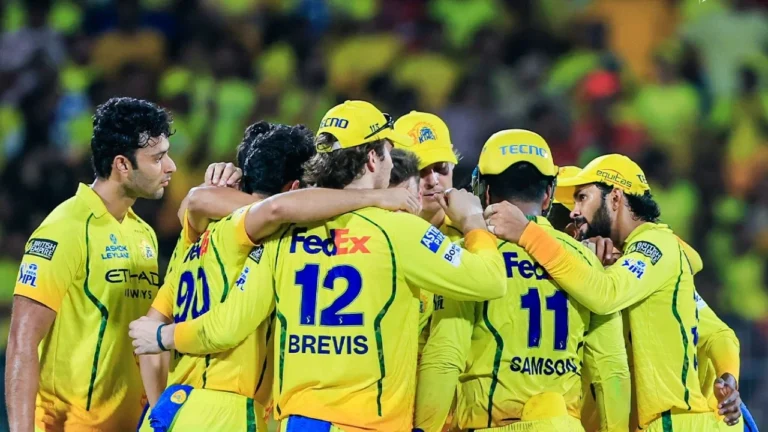
The Indian Premier League (IPL) is a high-octane tournament where the stakes are massive, the schedules are relentless, and the physical demands on elite athletes are immense. With players constantly pushing their bodies to the absolute limit, the debate surrounding player workload and injury management has once again taken center stage. However, the Board of Control for Cricket in India (BCCI) has made its stance crystal clear. BCCI Secretary Devajit Saikia has officially ruled out any direct intervention by the board in dictating or managing the workloads of Indian players during the IPL season.
This definitive statement comes amid rising concerns over several national team stars playing through injuries to fulfill their franchise commitments. The balance between franchise loyalty and national duty has never been more scrutinized.
The Injury Wave: Varun Chakravarthy and Other Key Concerns
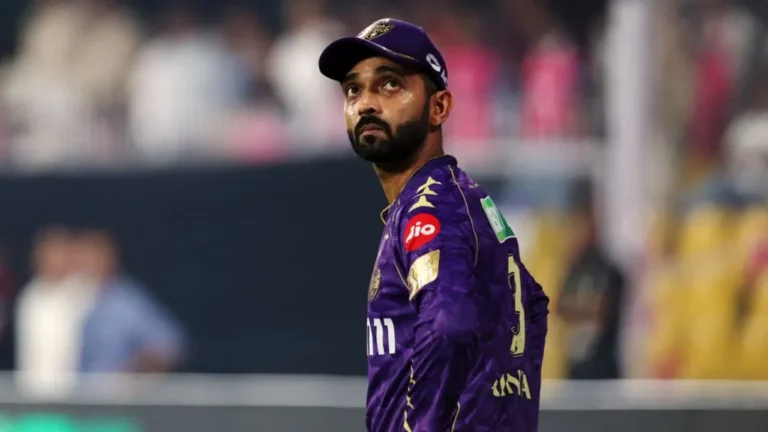
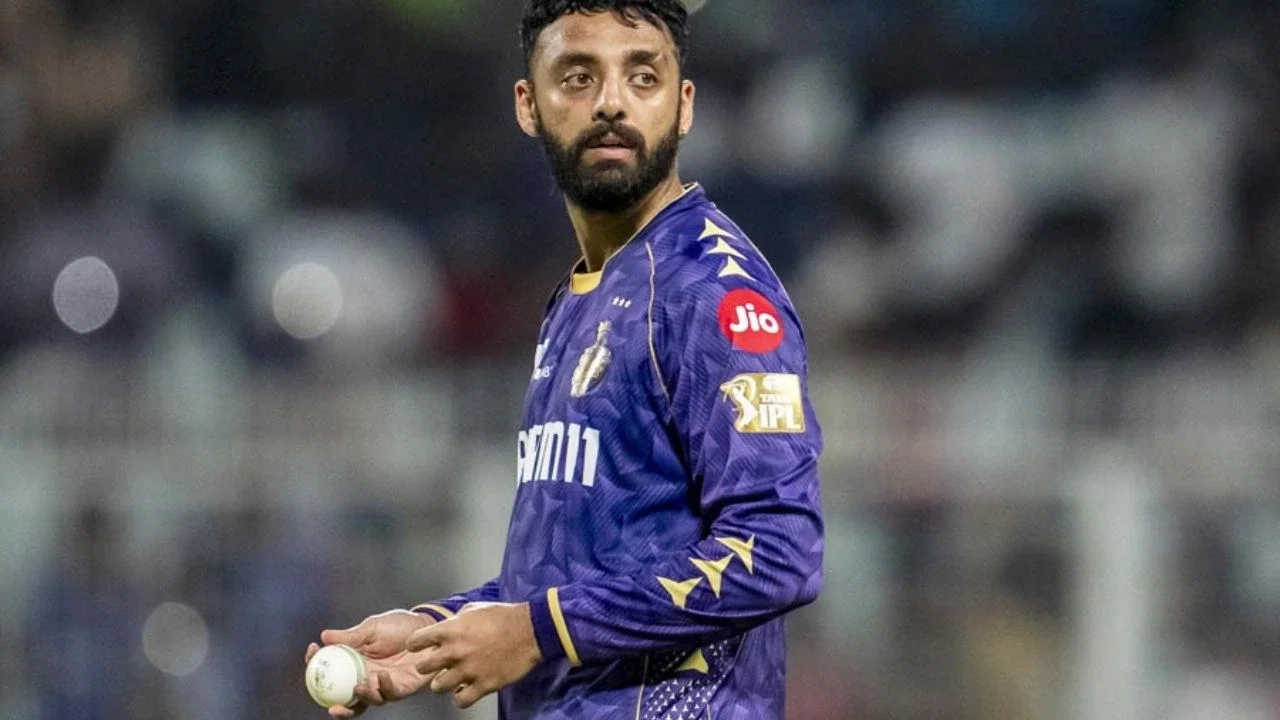
The spotlight on player fitness intensified recently with Kolkata Knight Riders (KKR) spinner Varun Chakravarthy. The mystery spinner has reportedly been playing through a hairline fracture on his left toe. The injury was sustained during KKR’s clash against the Sunrisers Hyderabad on May 3—a game where Chakravarthy’s brilliant performance earned him the Player of the Match award.
Despite the pain, he continued to feature in the lineup, only missing the match against Royal Challengers Bengaluru on May 13. Visuals of him limping around the stadium have sparked intense discussions about whether players are risking long-term physical damage for short-term franchise success.
Chakravarthy is not an isolated case. Punjab Kings’ Head of Sports Science, Andrew Leipus, recently pointed out that left-arm pacer Arshdeep Singh has been dealing with physical restrictions in his body. These physical limitations have directly contributed to his inconsistent performances throughout the IPL season.
Similarly, Mumbai Indians’ Head Coach Mahela Jayawardene revealed that premier fast bowler Jasprit Bumrah was operating with a slight niggle carried over from the T20 World Cup. Bumrah went wicketless in his first five games, raising eyebrows before the underlying physical issue was made public.
BCCI’s Official Position: Franchise Autonomy Rules the IPL
Addressing these growing concerns, BCCI Secretary Devajit Saikia explained that the board cannot simply impose its will on private franchises during the tournament. Speaking on the matter, Saikia emphasized that while the BCCI’s Centre of Excellence (CoE) closely monitors centrally contracted players, the franchises retain operational autonomy during the IPL.
“We can’t interfere in the functioning of the franchises by trying to control player workload and fitness in the IPL,” Saikia stated. He clarified that once the IPL season begins, the franchises are legally and operationally in charge of the players. “There is monitoring, but we cannot interfere much during the IPL,” he added.
However, Saikia reassured fans and stakeholders that the national team’s interests remain protected. He noted that the BCCI exercises a much higher level of control when selecting squads for international duty, where player fitness remains non-negotiable. “We are giving franchises the freedom to take decisions on their players. However, fitness remains a key criterion when it comes to national selection,” Saikia affirmed.
The Impact on National Selection: Afghanistan Series
The BCCI’s rigid stance on fitness was immediately visible in the squad selections announced for the upcoming one-off Test and three-match ODI series against Afghanistan. The selectors have made it clear that players who are not fully fit will not be rushed into the national setup, regardless of their stature.
Star all-rounder Ravindra Jadeja, who missed a couple of matches for Rajasthan Royals (RR) in the IPL 2026 season due to fitness issues, was rested from these squads to allow him ample time to recover. Similarly, veteran pacer Mohammed Shami was omitted from the squads because selectors were not convinced that his physical condition would allow him to bowl more than four overs a day—a prerequisite for international matches.
Even captain Rohit Sharma and star all-rounder Hardik Pandya, both of whom have struggled with injuries in IPL 2026, have been selected in the ODI squad subject to fitness. This sends a clear message to all centrally contracted players: while they have the freedom to manage their workloads with their franchises, representing India requires meeting the highest standards of physical readiness.
The Delicate Balancing Act of Franchise vs. Country
The current situation highlights the ongoing tug-of-war between franchise cricket and international duties. For franchises, securing victories in the highly competitive IPL justifies playing key athletes even when they are carrying minor injuries. For the BCCI, safeguarding their elite assets for national duty is paramount.
By drawing a clear line—offering autonomy during the IPL but enforcing strict fitness protocols for India selection—the BCCI hopes to encourage players and franchises to self-regulate. Whether this approach will prevent future injury crises remains to be seen, but it places the responsibility squarely on the players and their franchise medical teams.