Mike Hesson breaks silence on Pakistan’s decision to drop Mohammad Rizwan from ODI series
Addressing the Selection Controversy
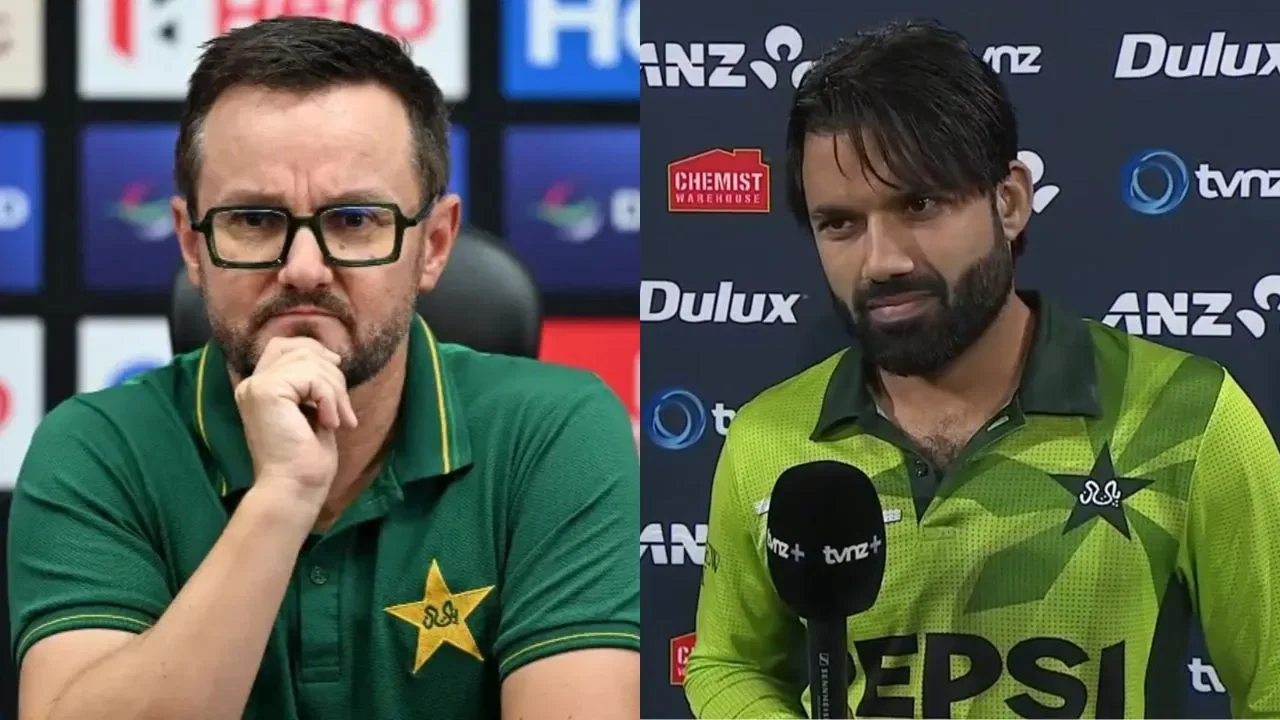
The Pakistan cricket fraternity has been buzzing following the announcement of the squad for the upcoming three-match ODI series against Australia. Among the most significant talking points was the absence of wicketkeeper-batter Mohammad Rizwan. Addressing the media at the Rawalpindi Cricket Stadium, Pakistan white-ball head coach Mike Hesson breaks silence on Pakistan’s decision to drop Mohammad Rizwan from ODI series, clarifying that the move was purely driven by performance metrics and long-term strategic planning.
The Rationale Behind the Leadership Shift
Hesson was quick to dismiss any notions that the decision was personal. Instead, he highlighted that the team’s lackluster performance in 50-over cricket necessitated a change in leadership. Reflecting on the period following the series in the West Indies, Hesson noted that the team had only secured two victories in a 12-month span. Such statistics made it clear to the management that a fresh approach was required to maximize individual and collective potential.
When questioned about the timeline, Hesson explained that his own tenure coincided with these transitions. “By the time I arrived, Rizwan was not in the T20I squad, and he certainly was not the captain. In terms of ODIs, we felt we needed a change after that series because the team had not performed to the expected standards,” he stated.
Focusing on the Future: The 18-Month World Cup Cycle
The selection process for the Australian series is not merely about immediate results, but part of a broader, long-term vision. Hesson emphasized that with the next World Cup looming in 18 months, the team management is prioritizing the assessment of new talent and the testing of various combinations. This experimental phase is vital for building a balanced squad capable of competing on the global stage.
- Testing New Combinations: The management is actively rotating players to identify the best XI.
- Long-term Planning: Every series is viewed as a building block toward the ICC tournament cycle.
- Performance Evaluation: Players are being assessed based on their ability to adapt to different conditions.
This strategy was already visible during the recent series against Bangladesh, where several new faces were introduced to the fold. Hesson reiterated that the panel’s priority is to explore all available options to ensure Pakistan enters the next World Cup with a well-rounded and cohesive unit.
Clarifying the Vice-Captaincy Role
Amidst the discourse surrounding the captaincy, Hesson also took the opportunity to clarify the position of the team’s vice-captain. While there has been little public chatter, the head coach confirmed that Salman Ali Agha has been fulfilling the responsibilities of the vice-captaincy for the last five international tours. “Salman Ali Agha has been the team’s vice-captain for the last five tours. I am not aware of any new announcement in the media, but within the team, he has always been functioning in that capacity,” Hesson affirmed.
Looking Ahead to the Australia Series
As Pakistan prepares to face Australia, the team is looking to move past a mixed run in 50-over cricket, which included a challenging 2-1 series loss to Bangladesh. The presence of senior players such as Babar Azam will be crucial for providing stability to the squad. With Shaheen Afridi leading the side, the team aims to use this series as a launching pad to regain momentum.
The upcoming fixtures, scheduled to start on May 30 at the Rawalpindi Cricket Stadium and concluding on June 4, will serve as a definitive test for this new-look Pakistan side. Fans and analysts alike will be watching closely to see if the management’s bold decisions pay dividends on the field.