Shan Masood Fights to Retain Pakistan Test Captaincy Amid Crisis

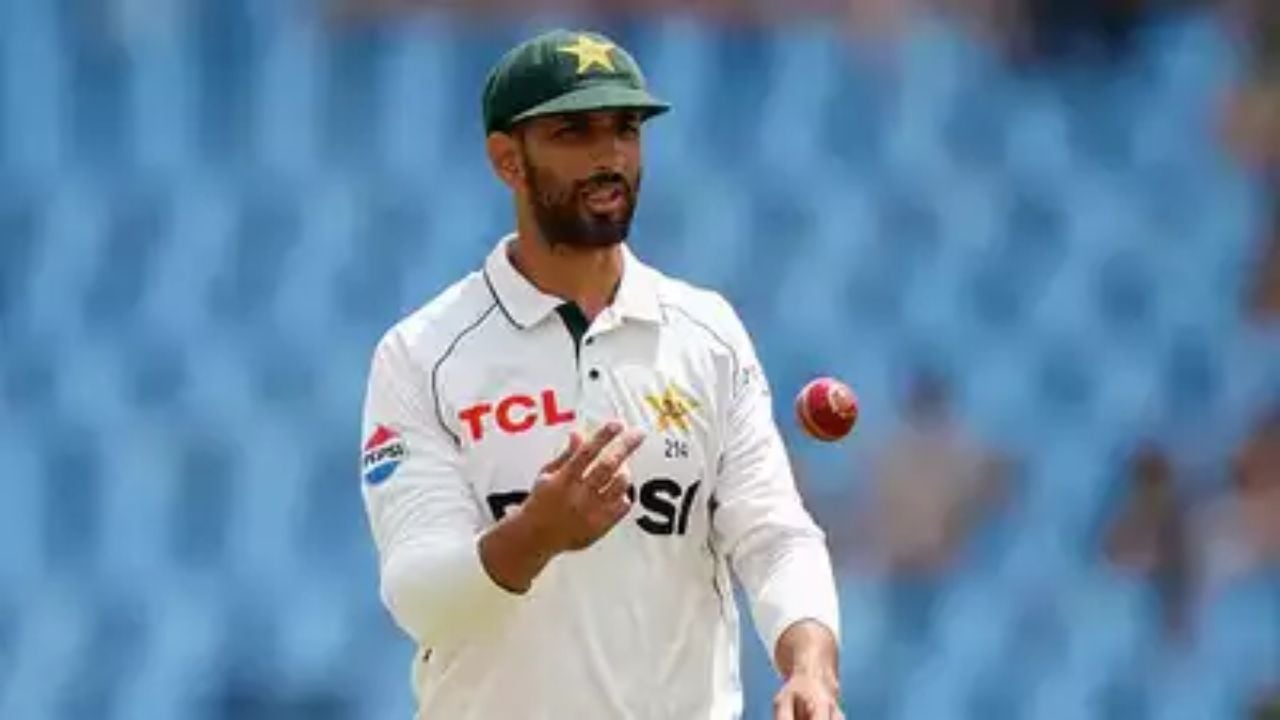
The Pressure Mounts for Shan Masood
The landscape of Pakistan cricket is currently defined by uncertainty, particularly regarding the leadership of the Test squad. Shan Masood, the incumbent Test captain, finds himself at a precarious crossroads following a dismal run of results against Bangladesh. While public sentiment has turned sharply against him, reports indicate that Masood is actively lobbying to retain his role, seeking to navigate through the storm of criticism that has engulfed his tenure.
A Repeated Narrative of Failure
The frustration surrounding the national team is not unfounded. In 2024, Pakistan suffered a 2-0 whitewash at home against Bangladesh, a result that sent shockwaves through the cricketing fraternity. History repeated itself in May 2026, as Pakistan traveled to Bangladesh only to endure another devastating 2-0 series defeat.
The first Test in Dhaka served as a microcosm of the team’s struggles. Despite a spirited century from debutant Azan Awais, Pakistan was unable to contain the hosts. Bangladesh overcame challenging conditions, with Najmul Hossain Shanto, Mominul Haque, and Mushfiqur Rahim leading the charge. Nahid Rana’s sensational five-wicket haul in the second innings ultimately dismantled the Pakistani lower-middle order, sealing a 10-run victory for the Tigers.
The trend continued in Sylhet. Despite a promising start from bowlers Khurram Shahzad and Mohammad Abbas, Litton Das anchored the Bangladesh innings with a brilliant 126. Pakistan’s batting order failed to fire in response, with only Babar Azam providing notable resistance. A record-breaking 437-run chase by Bangladesh, capped by a stellar century from Mushfiqur Rahim and a six-wicket haul by Taijul Islam, cemented another series loss for Masood’s side.
The Statistical Reality
The numbers behind Masood’s captaincy make for grim reading. In 16 matches at the helm, he has overseen 12 losses and only 4 wins—a win percentage of just 25%. While comparisons have been drawn to legends like Misbah-ul-Haq, who suffered 19 defeats, it is essential to note that Misbah’s record was spread across 56 matches. The frequency of Masood’s losses has placed him under unprecedented scrutiny, pushing Pakistan down to No. 8 in the World Test Championship standings.
The Political Distraction
Amidst the calls for change, the Pakistan Cricket Board (PCB) appears to be in a state of administrative limbo. Chairman Mohsin Naqvi, who simultaneously serves as the Interior Minister, is currently consumed by the geopolitical situation in the Middle East. This dual responsibility has reportedly left him with limited bandwidth to address the burning issue of cricket leadership.
Sources close to the situation suggest that while Masood maintains the backing of influential figures within the board, he is acutely aware of the need for structural reform. He has reportedly expressed concerns that constant instability in coaching and management positions has hindered his ability to foster a cohesive unit. Masood is seeking not just job security, but a more stable environment for team selection and long-term planning.
What Lies Ahead
A pivotal meeting is currently being scheduled to determine Masood’s future. The timing is critical, as Pakistan transitions from this disappointment toward an upcoming ODI series against Australia, followed by a high-stakes Test tour of the West Indies in August. The outcome of these high-level discussions will likely dictate the direction of Pakistan’s Test cricket for the foreseeable future. Whether the board decides to persist with Masood or seek a new strategic path remains the most pressing question in the halls of the PCB.